How compatible are ACARA & TPRS: Part 1

For me, the most significant sentence in the ACARA document is found on page 14:

Teachers will make decisions about pedagogies that best meet the learning needs of their particular students and the context of their particular program.

In essence, this sentence acknowledge that it is sensible and practical for teachers to make the  decisions necesary for selecting the most suitable pedagogy to use in their classrooms. As long as the needs of the students are met and it matches our teaching objectives, then the choice of ‘how’ is up to us.

So obviously, the next question becomes: can TPRS provide us with a methodology that delivers the curriculum in a way that ‘student needs are met’? To begin to answer this, consider the gist of this sentence found in the same paragraph as the above quote:

……. band descriptions, content descriptions, content elaborations and the achievement standards provide an overall sense of … expectations about language teaching …. (and) provide a reference point for making judgments about students’ progress in learning.

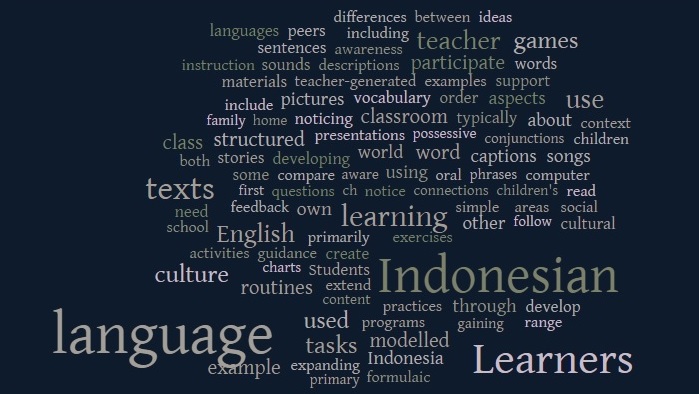
In other words, band descriptions, content descriptions, content elaboratons and achievement standards should all  be considered equally when planning, programming, teaching and assessing (even though my principal added only a copy of the achievement standards with our semester 1 reports). Thus if we create a word cloud of the entire Indonesian Curriculum, we discover the high frequency words used which would, we could argue, illustrate the key points that teachers should consider a priority  when programming.

curriuclum word cloud

From this, I would conclude that the curriculum suppports the teaching of Indonesian language via the use of texts!! Do you agree??

If we break it down though and look at word clouds created from the content descriptions, the band descriptions and the achievement standards, is there a difference?

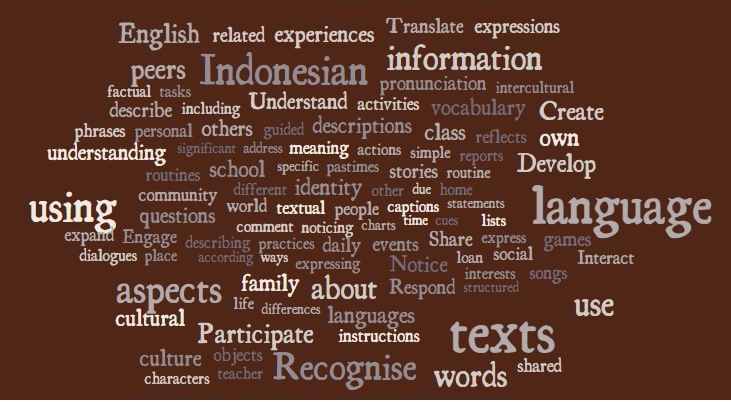
Band Descriptors

woord cloud band descriptions

(most common word: language)

Content Descriptors

word cloud content descriptions

(most common word: texts)

Achievement standards

word cloud achievement standards

(most common word: Students)

If ‘texts’, ‘Students’ and ‘language’ are the key words, then I can easily argue that TPRS is a pedagogy highly compatible with the Australian Curriculum. Students are provided with language texts constantly!!

Consider the 3 basic steps of TPRS:

  1. Introduce the target structures
  2. Story telling/ story asking
  3. Reading

TPRS is all about presenting our students with compelling Indonesian texts!


What are the Top 10 High Frequency Words in Indonesian?

If you had to identify a  list of no more than 10 Indonesian words that are absolutely essential for communicating with anyone in Indonesia, what would they be? 

We have been working on this list all year and hope to complete our first draft of it during the upcoming July school holidays. No doubt the list will be constantly tweaked as we progress along the TCI road. 

My list includes:

  1. punya – to have/own
  2. kasi – to give
  3. suka – like
  4. ada – there is/are
  5. bisa – can
  6. mau – want
  7. pakai – wear/use
  8. ke -to
  9. di – in/at/on
  10. ambil – get

Other words that I believe are also important (although could largely be communicated using body language) include:

  1. sudah/belum
  2. ya/tidak/bukan
  3. sedikit/banyak 

What do you think of the first list? I would love to hear your comments if you are an Indonesian teacher/learner.

Once the top 10 list is finalised, we will next identify the top 100 high frequency words which are pertinent and relevant for beginner Indonesian learners. I believe it is useful to know what these words are because they focus and guide teacher planning. When I look back over the thematic units of work I have done with past students, very few (the 4% ers) can recall much of the vocabulary we covered. Our new catchcry is narrow and deep unlike our previous method for which the catchcry in  hindsight seemed to be: shallow and broad. The top 10 essential words for communication will become the foundation for our current and future students’ aquisition. 

Term 1 Reflections

As term 1 draws to a finish, I have been looking back over my first dedicated block of teaching Indonesian using TCI . It has been a steep learning curve yet at the same time deeply satisfying. I have learned just as much as the students!! Here are the major gems that I would like to share with you from my short journey thus far:

  1. Props – Don’t ever underestimate the power of props. When I copied Sharon’s brilliant idea of using a bottle of Sprite to tell the story: 

Jessie haus
Jessie mau minum Sprite
Ella punya Sprite
Ella kasih Jessie Sprite
Jessie minum Sprite.

I was blown away with the total and utterly mesmorised attention of the classes from year 2 right up to year 7! Even when the Sprite finished, students insisted I refill the bottle with water, so we could continue. Even with water, students were still highly engaged and following the dialogue closely. It not only hooked the actors, but hooked the other students too as they decided whether Ella would give Jessie a drink of Sprite and if not Jessie, then who would be given a small drink of Sprite. It is definitely worth taking the time to organise props for lessons with all year levels. Not only do students beg for repetitions, but it is so much more fun too for everyone. I have never laughed so much with students!! 

    2. Public Holiday Pitfalls  –  Usually I begin my week with the year 4’s and they are a great bunch of students to ‘trial’ my middle/upper lessons with. They give me the opportunity to fine tune my plan before facing the year 6/7’s the following day. While I enjoyed my first Easter long weekend in many years (our Ed Dept usually cleverly incorporates them into our mid semester break), I forgot to keep this in mind and consequently yesterday’s lesson with one of the year 6/7 classes was a disaster. With this class I need to be one step ahead of them. Maybe Trashball or something similar would have been a better plan for a challenging class in week 11.. 

  3. Trial by Error – A exhausting yet necessary aspect of teaching and a fact that I (and any learner) needs to philosphically and practically accept. I’ve read that it can take up to 2-3 years for a teacher to acquire competency using TCI methodology. This is what keeps me going! There are many fantastic blogs and websites full of TCI brilliant ideas and suggestions. Gleaning through them all to find ideas suitable for teaching primary students and then trialling it requires a huge step out of my comfort zone and so much energy. Yet each step is an important and integral aspect of the entire journey.  I must keep reminding myself to continue plodding steadily along the TCI path and not to expect too much too soon! 

4. Dehydration – TCI requires so much teacher talk and I have discovered that I am so much more dehydrated at the end of my days than I was ever before. I have tried to keep up my fluids over the day but haven’t been successful consistently with this yet. I get so engrossed in the lesson that I totally forget to stay hydrated. The most successful stategy I had was finishing my 750ml drink bottle at the beginning of recess and lunch on my way to the staff room but lately even that has fallen by the wayside. Any suggestions gratefully accepted! 

5. The Importance of Developing A Personal Learning Networks (PLN) –  The core of my PLN consists of Annie & Sharon, my Indonesian colleagues who teach in nearby schools, together with Catharina, our mentor who teaches French in New Jersey. The middle layer of my PLN consists of teachers who teach Indonesian and have been following this blog or my tweets. Their input has been invaluable and I have truly appreciated their comments and  feedback. While there are common aspects between different languages, there are also certain aspects that are unique and therefore those who teach and  speak Indonesian have that special eye through which to  understand my reflections and experiences. They too are are coming to grips with our new Indonesian Curriculum to be implemented fully in 2016, another valuable persepctive. The outer layer of my PLN consists of all the TCI language teachers who post on their own blogs or on websites like Ben Slavic’s. There is definitely a gap for me between the middle and outer layers purely because most of the teachers in the outer layer are secondary teachers and none of them teach Indonesian. Yet, they are still a major and important part of my PLN as they have such a wealth of knoweldge and experience that I am truly in awe of them. Without this special group of people, my first term of TCI could have finished so differently. Whenever I felt like I had hit a brick wall and I couldn’t see where to go next, someone would be there to encourage and help. Annie and Sharon have been awesome and once again I am so fortunate to work so closely with 2 teachers who readily joined me on this journey. Our frequent Friday meetings were invaluable opportunities to share lessons that worked well and thus give us each the inspiration and encouragement to continue. Our Skype sessions too, with Catharina have been incredible. Each time we all  took copious notes. It is so amazing to have the opportunity to speak with a junior primary teacher about TCI and how to apply it with very young students. Now that term 1 has almost finished, we are really looking forward to our next Skype call with Catharina. While we usually only speak for an hour, each call is jam packed full of awesome suggestions and information. She truly is an amazing and inspirational teacher  to have in my PLN and a huge thankyou must go to Ben Slavic for initially suggesting it! 

6. Lesson Planning – On looking back through my lesson plans, I have definitely learned that while it is good to have a few brain breaks up my sleeve, it is also important to keep my planning simple. My initial lesson plans from the first weeks were very long and were a great example of over plannning which is a good way to start! I tried to cover everything at first and then realised that it was not only unrealistic but also pushing the students too quickly. Narrow and deep is the TCI catch cry for a very good reason and this is what underpins the success of TCI over the methodologies I used previously. 

7. Patience is a Virtue – When reading blog posts written by other teachers who also use TCI, I have to keep reminding myself that comparing my students (or their lesson outcomes) with theirs is pointless. My students & i have only just started so it is natural that we can’t yet have impromptu detailed conversation that are 100% comprehensible. It is of greater importance that we start with the Indonesian version of the super list of verbs sourced from frequency lists and accept that initial discussions will be be very basic. 

8. Humour – At a point about mid-term, I reached a point where everything gelled. Suddenly I relaxed and started to enjoy myself with the students. At that point I realised that it was the first time I have ever laughed so much WITH  my year 7 students. Previously, any hilarity got out of hand and ended with me having great difficulty bringing them back on track without loosing that sense of connection. Yet with TCI, we laugh together at the ridiculous  scenarios the students suggest and then act out. Not only do students have fun, call out and be totally silly, but because it is all in Indonesian, it is amazing and all students are totally mesmorised and engaged thus keeping it manageable!  

9. Tight Timelines have Vanished – Previously, my term outline was tightly planned and in order for me to achieve my term outcomes, every lesson was precious and heaven help anyone who interfered with my schedule!! Taking sick leave was avoided and any additional offered non contact time was reluctantly refused because my planning didn’t have much flexibility. This has all blown away with TCI as everything is based upon student aquisition which is a  huge unknown. Once we know what the target structures will be, out planning will focus on that until we, the teacher, deem the students ready to progress to the next step. Consequently, with our upcomiing APBIPA visitor, Bu Mia, I feel far more relaxed and am really looking forward to her time in our school. Students will be able to experience a cultural lesson with her and this will also give them impromptu and authentic opportunities to practise and demonstrate their acquired Indonesian to date.

I am so looking forward to term 2 and having the opportunity to apply all that I have discovered. I also hope that my reflections give other Indonesian teachers the encouragement to consider trialing aspects of TCI in their classrooms. Last year, I dabbled just by experimenting with a few activities that sounded interesting and that is how I urge you to start too. While I am nowhere close to TCI mastery, I am nontheless, very happy to help any Indonesian language teacher if you would like to discover more about TCI. Ask away and if I don’t know the answer,, someone from my amazing PLN will certainly help!!

Our Week In Sydney with The Bridge Project

What an amazing week we’ve just had here in Sydney for the Bridge Project. While we sit at the airport waiting for our flight, doing a last minute catch up with Erin and Mel who are also hosting 2 partner teachers from Medan, I’ll try to give you a brief picture of our full on 4 day training and development.
Marg & I first met our partner teachers, Pak Pahot & Bu Elizawati, in the breakfast queue at the Novatel. Pak Pahot is a year 2 teacher and Bu Elizawati is a year 6 teacher at a school called SDN 025443 Medan Barat which apparently is rated number 1 in Medan. Of the 400 odd students who apply to enrol each year, only 100 are selected!

IMG_9638-0

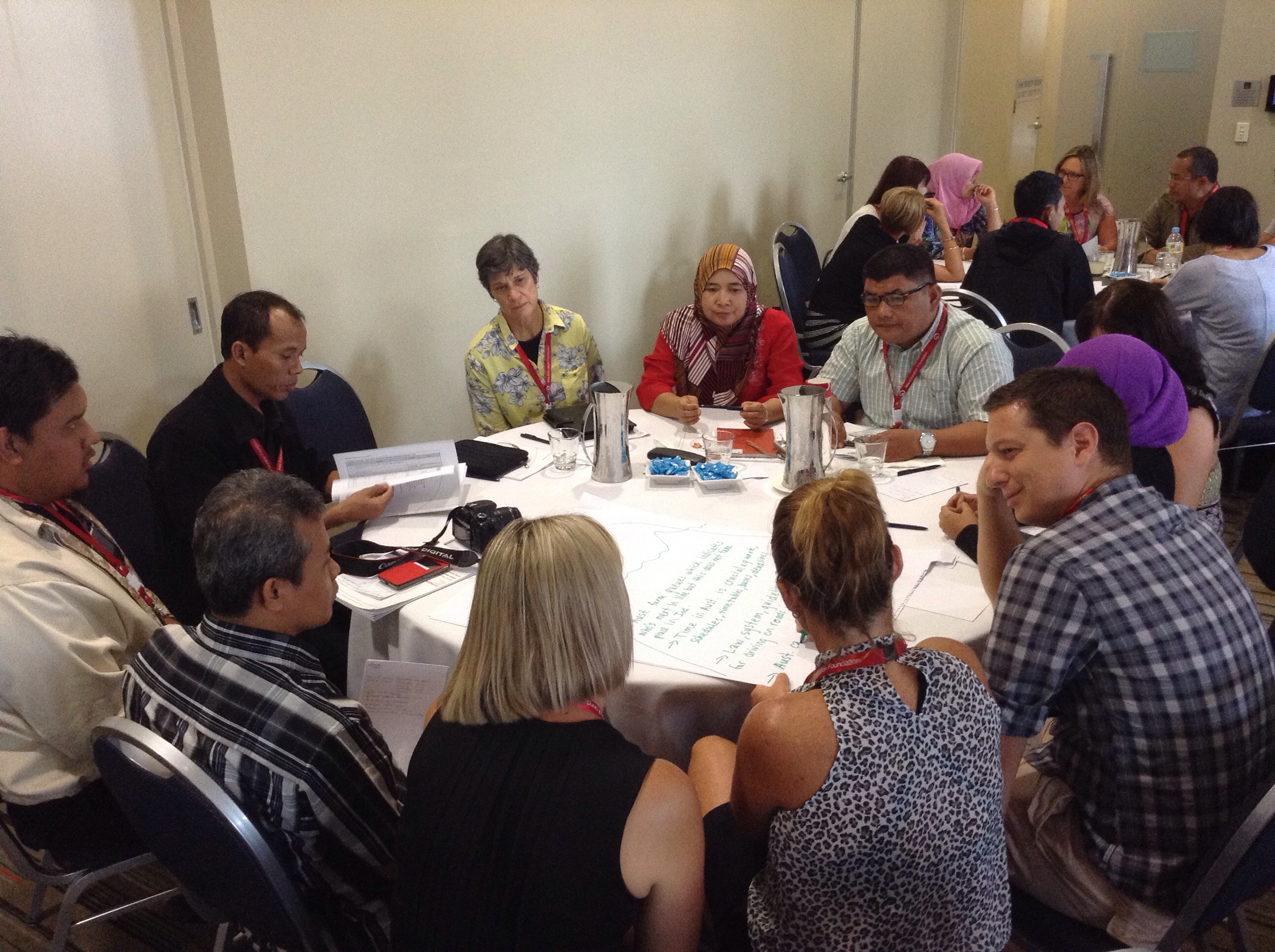
Over the past 4 days there has been a strong emphasis on collaboration, planning and communication. Presenters recommended a variety of ways in which we can achieve all 3 successfully with our partner schools and time was provided to not only make a start on them but also so that we could familiarise each other with our school calendars, so that any planned projects avoid school holidays, religious festivals and national exams.

IMG_9639We also spent time discussing cultural differences. Our partner teachers have already noticed differences with punctuality, environmental pride, traffic and the differences between Indonesia and Australia with the use of right hands to pass items.

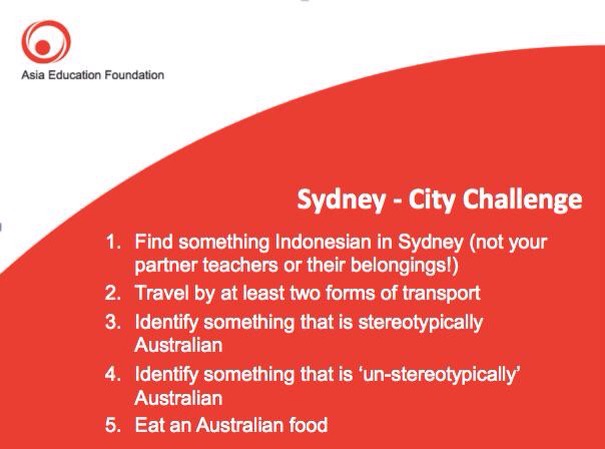
Thursday afternoon, we were given a challenge:

IMG_9675This was a brilliant and fun way for all of us to explore Sydney. The resulting photos on Twitter were varied and the shared experiences were vast. Check out #bridgeproject!!

IMG_9648

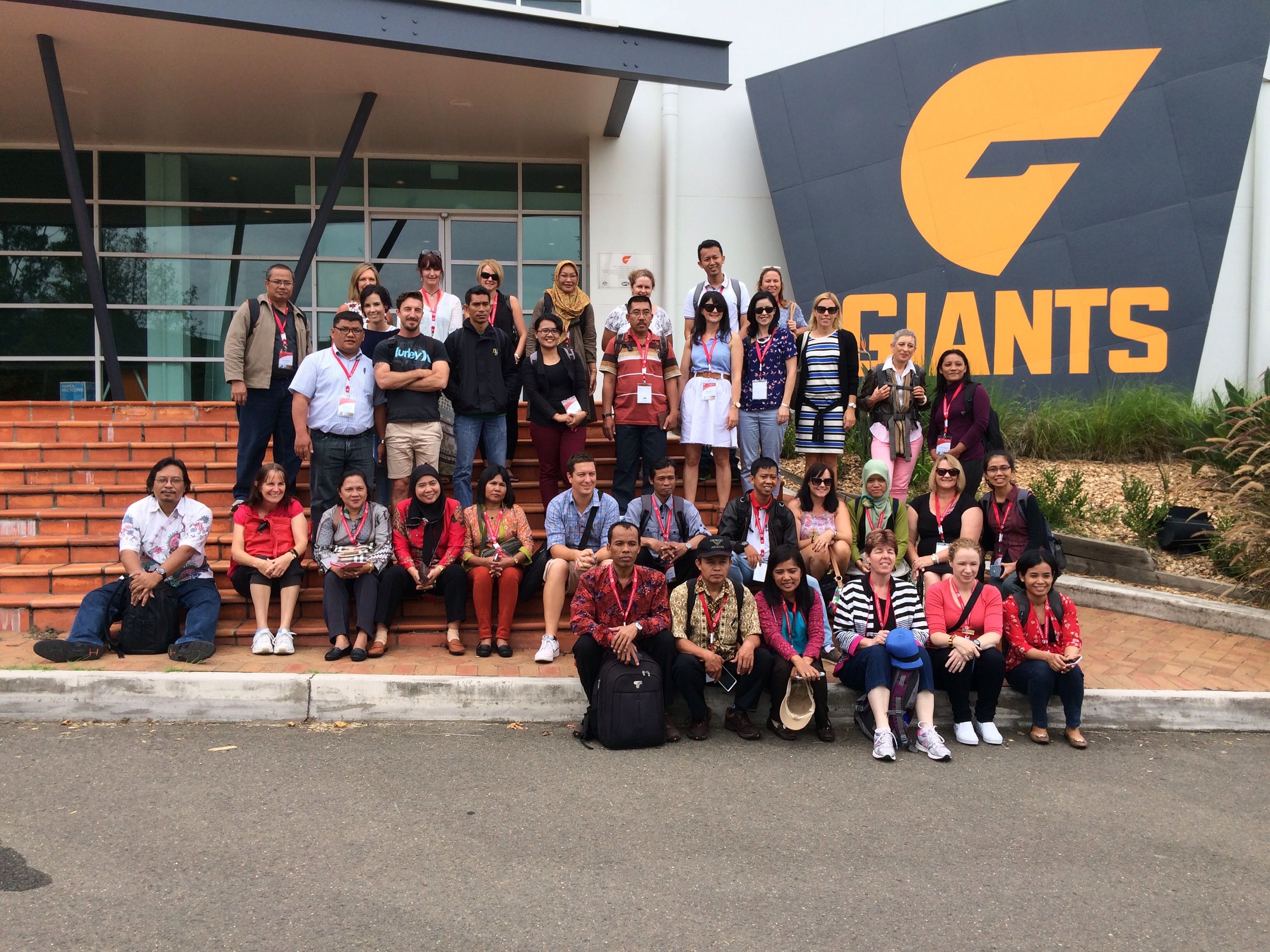
Another fun outing was lunch at the local Giants stadium.

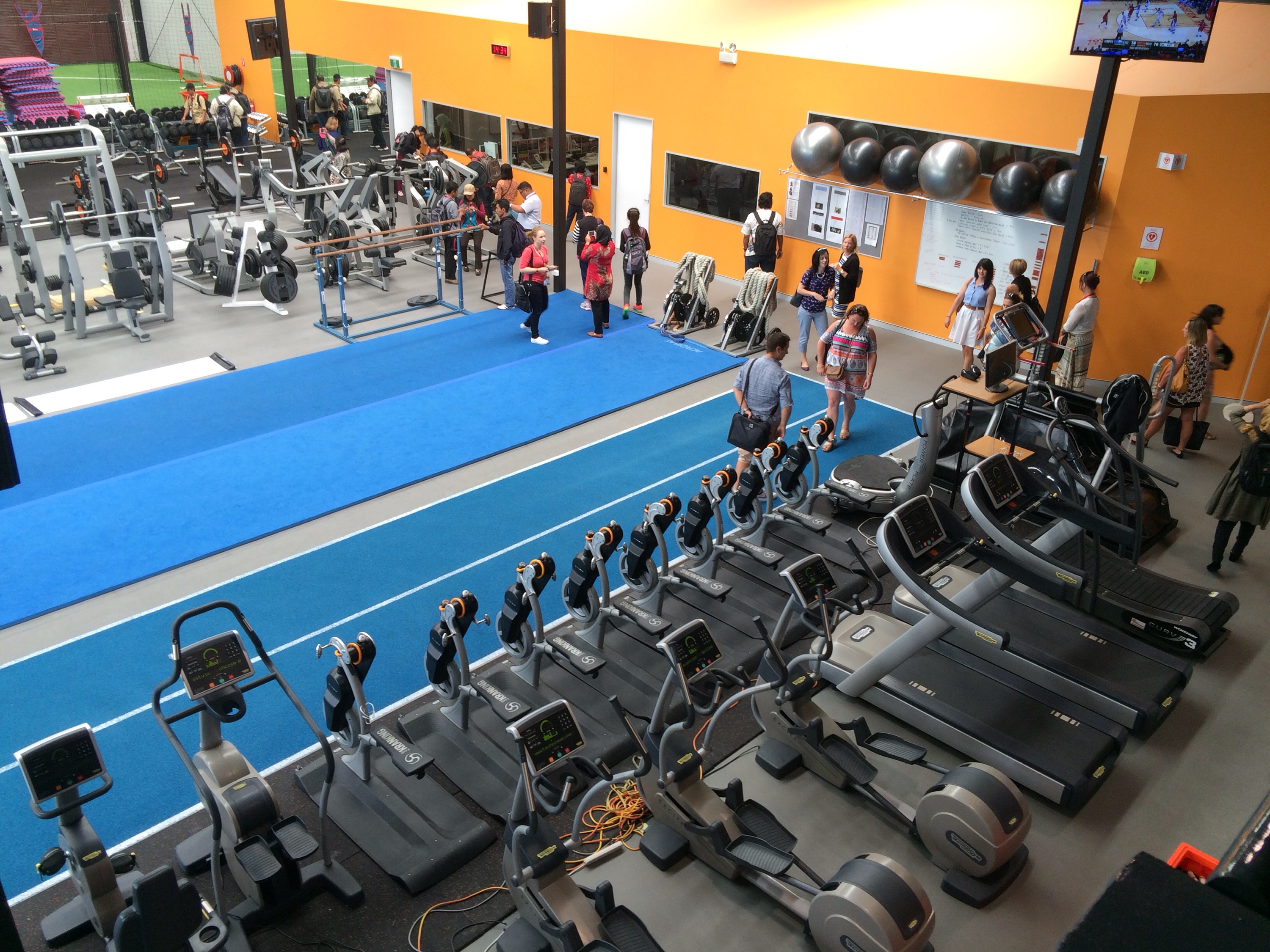
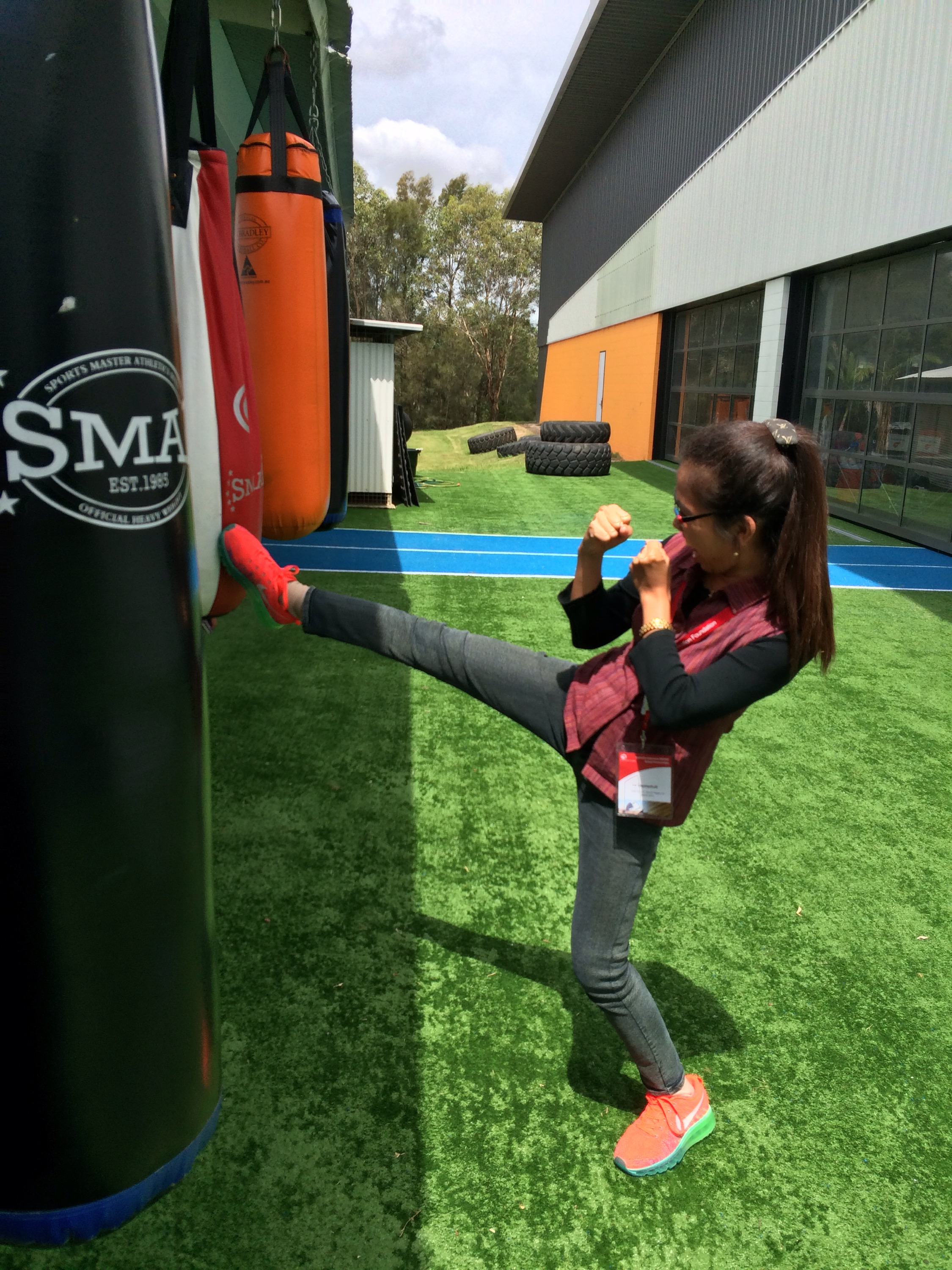
IMG_9662After lunch, 2 of the stalwarts (proud muslims) explained about the various programs they run which target disengaged youth and promote education. Very impressive. Afterwards, we enjoyed a tour through the facilities:

IMG_9664

IMG_9666

IMG_9667

Presenters over the 4 days included Mike Bartlett & Danielle Leggo, education officers from from Sydney Olympic Park (SOP). The program they run there is truly amazing and caters towards both local and distance students. It largely focuses on sport, agriculture & sustainability and can be accessed either face to face or by video conferencing. Thirty thousand students annually access the ranger led Australian curriculum aligned activities learning about the local wetlands and other local habitats and there is also an online Koori classroom! One great suggestion from Michael was to set up a collaborative project to study the migratory birds that fly from Siberia to Australia, transiting Indonesia! For further information about SOP, regardless where you are globally, check out their website and youtube channel. They are currently searching for non Australian classrooms interested in an international 2015 netball challenge.

Joedy Wallis from AEF, divided the group so that the Australian teachers and the Indonesian teachers could each focus on their own curriculums to identify areas compatible for collaboration as well as identifying goals and outcomes for student learning. She pointed out the areas of the curriculum covered by the bridge project include:
literacy
numeracy
ict capability
critical and creative thinking
personal and social capability
ethical understanding
ICL (Intercultural Understanding)
which together create successful learners, confident and creative individuals and active informed citizens.
Joedy outlined some history behind the inclusion of the ‘Asia and Australia’s Engagement with Asia’ priority in the new Australian curriculum. The global shift which has lead to policy changes and the Melbourne Declaration, first signed in 2008 (changes advocated by AEF) provided the impetuous behind our Bridge partnership meeting this week. This promotes student acquisition of 21st century skills. all beneficial for Australia; socially, culturally and economically.

IMG_9645
Joedy promoted twitter to all, encouraging all teachers to sign up and discover just how amazing it is for professional learning and sharing. She also promoted the AEF website (which is currently undergoing a huge update to become even bigger and better), the AEF newsletter and #AEFchat on twitter (details on the website) which currently run monthly but will happen more frequently if the number of teachers on twitter increases.

Julie Lindsay from Flat Connections presented on Thursday for 2/3 of our day focusing on the challenges connected with our partnership schools beyond face to face and how to sustain global connections and collaborations. She raised an important point about the need for deep global learning and the importance of constructing a legacy. Encouraging teachers to think deeply and creatively so that whatever project our students create, it will be their legacy.
Julie suggested a variety of online tools through which this could be achieved:
1. Ning.com (not free) which is a multimedia networking tool was recommended highly by Julie for asynchronis communication if both schools can not be online at the same time.
2. voicethread.com – highly recommended. students can record their voices along a given video/photo
3. Wikispacess – where students and teachers can collaborate on projects
4. blackboard collaborate – students present for 1-2 minutes about their learning to an international audience.
5. globalyouthdebates.com asynchronous global debates between classrooms
6. wevideo
7. Animoto
8. Edmodo – private; great tool for creating discussions)
9. Hangouts
10. Skype
11. Padlet – a private forum for groups to share

Before any actual planning, it is critical all teachers agree on a cyber safety policy and have in place an agreement to monitor all students.
Projects could be based on a range of activities:
interpersonal
research (joint?)
problem solving – kerja sama tentang kebanjiran?? find something in common and explore issues!! eg rivers, sea,
artifact and co-creating (eg making video alone or by collaborating with partner students)
connect
communicate
collaborate
create

Most of the suggested project ideas would be entirely undertaken in English which would create opportunities for deep ICL for classroom teachers. Julie suggested students take the learning home (al la flipped classroom style although she didn’t name it!) which gave me the idea of tasking students to record themselves teaching their parents ‘siapa nama’ & ‘nama saya”. Could create a funny yet educations video about specific target language!
Other flipped ideas that arose over the 4 days included a flat Stanley project whereby students make a puppet of themselves and then send it to their partner school who then takes it with them in their every day life photographing everything and creating a journal which is then returned to their partner school either digitally or by snail mail. Another idea I really love which would be perfect for a look and discuss activity is called, A View From Your Window. Tasking students to take a photo from a window at home and then writing a caption about it.
Julie’s presentation was chocker block full of suggestions with little time to fully explore and trouble shoot. Most teachers felt totally overwhelmed and this confirmed for me just how fortunate we are at PEPS to not only have had a ICT Coordinator for the past 3 years but to have someone of Kathy’s high expertise and dedication in the position. Teachers were also concerned about poor tech support on return to their schools, which again for Marg & I, is rarely an issue!! Our highly capable tech team of Darryn & Kathy is second to none! What they don’t know isn’t worth knowing!! One principal told us about a class set of computers still in boxes at their school because they only get 2 hours of tech support per week!!
The second part of Julie’s time with us was task based. We had to create a digital story with our partner teachers. I quickly wrote a script which I then typed up in Pages and emailed to Marg, Pak Pahot & Bu Eliza. Using Puppet Pals, we quickly made a film entirely in Indonesian about the transport we used in Sydney yesterday which Pak spiced up with some evil laughs!! We uploaded it to Youtube and then pasted the link on the Bridge Padlet to share with everyone.

IMG_9674

Pak Donny, the Indonesian translator and coordinator, constantly stressed in his translations, that the partnership is all about our students and should benefit them not the teachers and that all projects must keep that in mind! There was also a huge push to encourage Indonesian teachers to review their learning style (methodology) so as to adopt more western aspects. I can see that encouraging students to ask questions, to be more confident in exchanging opinions has benefits but it is a huge cultural shift and with it comes other aspects of western culture. Other factors which must be considered is that class sizes at our partner school are enormous. Classes range from 34 to 46, Class rooms too are not large and school furniture is also not conducive to more ‘creative’ styles of learning. I can see benefits in encouraging a methodology shift but would like to explore ways in which it can be done that are more sympathetic culturally. It makes me feel like a missionary rather than an educator.
It had been an amazing week, meeting teachers from almost every state. We have swapped email addresses and Skype handles as well as following each other on twitter so that we can keep in contact and help each other with any upcoming challenges this year as well as sharing our successes. Marg in particular was brilliant with this. She has already arranged a Skype call with Mel & Erin this coming Friday!! Another teacher has offered to set up a Facebook page for us all and Aaron will create another Padlet too. The September study tour will be a reunion for those of us who sign up for it!

Goodbye Sydney!

IMG_9673Thank You so much to everyone involved for such a memorable week and in particular to Pak Aaron, Ibu Bonnie & Pak Donni.

Preparing For the 2015 School Year

/home/wpcom/public_html/wp-content/blogs.dir/a1e/48203868/files/2015/01/img_9356.jpgWith the onset of the 2015 school year approaching, I have been preparing for my formal launch into TPRS. While I did put my toe in the water last term (2014), it was more like a young visitor on their first visit to Disneyland with only a limited amount of time; having to race around franticly trying as many attractions as possible before the time was up!
The 2015 school year by comparison, will be the start of an infinite time period and thus my approach will be entirely different. Instead of my frantic, ‘try anything and everything ‘ approach, I hope to take very small steps and enjoy having the time to savour each one, to thoroughly appreciate and grasp the skills of TPRS/CI.
I teach Indonesian to all students at my school – reception to year 7. Reception in South Australia is the year between kindergarten (preschool) and year 1. These year levels are broken down into 3 bands – junior primary (R-2), middle primary (3-5) & upper primary (6-7). Frustratingly, the Australian Curriculum regards the year 7 as middle school, i.e., secondary school, but in South Australia, most year 7’s are still located in primary schools and are thus considered upper primary, even though their curriculum differs significantly from the year 6 curriculum especially in areas of time allocation for subject areas. Still, that is another issue…
In 2014, my experimentation with TPRS/CI was with the middle and upper primary classes. This was for many reasons, the main one being that most TPRS/CI methodology is aimed at secondary students and teachers. Just about all of the pedagogy is applicable in the middle and upper primary setting which is why I am super excited about beginning TPRS/CI formally this year.
These holidays I have been reading voraciously about TPRS/CI. While time consuming, I totally recommend this to anyone interested in learning more about this pedagogy. Blogs and the yahoo group moretprs are a truly great place to start. If you are still keen to take it one step further, then without a doubt I recommend joining Ben Slavic’s WordPress website. It costs about AUD$5-$6 a month (depending on the value of the Australian dollar) which a paltry amount considering the breadth of resources this gives you access to. For me, so far, the most valuable thing has been ‘meeting’ Catharina, a junior primary French teacher. Her posts are insightful, practical and so encouraging. It is no wonder everyone speaks so highly of her. Already I have gleaned many useful pointers about how I will start off with my junior primary students. Probably the most useful advice she has given so far regards the vocabulary to focus on with these year levels initially. The vocabulary includes; yes/no, thank you, hello/goodbye, there is/there are (ada), as well as classroom management language eg. sit/ stand/ talk/ to name a few. While I do cover the initial list, it is the 2nd list that I am most excited about teaching because it includes language that is repeated over and over in all classrooms, so therefore it makes so much sense for it to be taught early on thoroughly.
While American teachers return to school tomorrow, Australian teachers have another 3 weeks of summer holidays. In this time I will;
1. Finish reading ‘Stepping Stones to Storytelling’
2. Finish setting up my classroom
3. Begin reading ‘PQA in a Wink’
4. Blogging – reading and writing
5. Set up Skype coaching workshops with experienced TPRS/CI teachers
6. Plan my first unit of work with all band levels
7. Fleurieu Indonesian Teachers Hub Group Meetings

What are your plans for the rest of the holidays?

Bring on 2015……

I am so fortunate to ‘work’ with such a wonderful group of Indonesian teachers. “Work” is in inverted commas because as Senorfernie puts it, we are largely “departments of 1″and work at different school sites. Fortunately the primary Indonesian teachers down here in our neck of the woods are just as passionate about teaching Indonesian as I am. All the more impressive as they also manage family commitments and businesses on top of their teaching load! I salute them.
Our hub group meets every holiday to plan upcoming units of work, to share ideas and resources and for Australian Curriculum training & development. We have noticed how our sharing has changed significantly over the past few years. Originally we would come to our meetings laden with text books, worksheets and video/DVD’s. Now we bring laptops and/or iPads and everything we swap is digital! Sharon introduced us all to the beauty of hard drives and now we can’t imagine how we coped previously without one!
We met yesterday (mid term!) for ACARA T & D. Our mission was to plan a unit of work that aligns with our new curriculum for term 1 2015, so that we can collect work samples from our students for moderation. When Annie first raised the plan, I had misgivings because I was unsure how it would fit in with my TPRS plans for 2015. I was worried that I would have to choose between collaborating and TPRS. Then I changed my mind and considered the possibility and benefits of being able to collect data to compare TPRS methodology with traditional non-TPRS methodology.
Imagine my surprise and delight when all teachers present at the hub group meeting yesterday expressed interest in learning more about TPRS and are really keen to start incorporating it into their teaching in 2015!! A fellow teacher who has also recently discovered TPRS has described our passion for TPRS as bordering on obsessive and that we are more like evangelists. Even though I was severely sleep deprived yesterday, advocating TPRS proved to be an instant antidote!
Together we planned an 8 lesson unit which will lend itself beautifully to a TPRS introduction as well as consolidating the language students will need for introducing themselves during skype sessions with our sister school that we are hoping to participate in ahead of their visit in September. The assessable task we have planned is for students to create a dialogue using specific targeted language and then in groups of 3 make an iMovie which will be assessed by their peers.
It aligned beautifully with the Indonesian Curriculum and the discussion we had finalising this was useful as it helped us all refresh our knowledge of the new curriculum terminology as well as sharing pointers we have picked up recently at either conferences or from school based training.
The day flew by and when Sharon mentioned she would have to leave soon to do the school pick up run, we all were amazed to realise that except for a very brief lunch interlude (thank you Annie for the delicious chickpea salad) we had been working solidly for 5 hours!

My Initial Attempt with TPRS

I discovered TPRS (Teaching Proficiency Through Reading & Storytelling) towards the end of last term on Martina Bex’s blog. She is a Spanish teacher working in Alaska and is regarded highly amongst her peers in the field of language teaching.
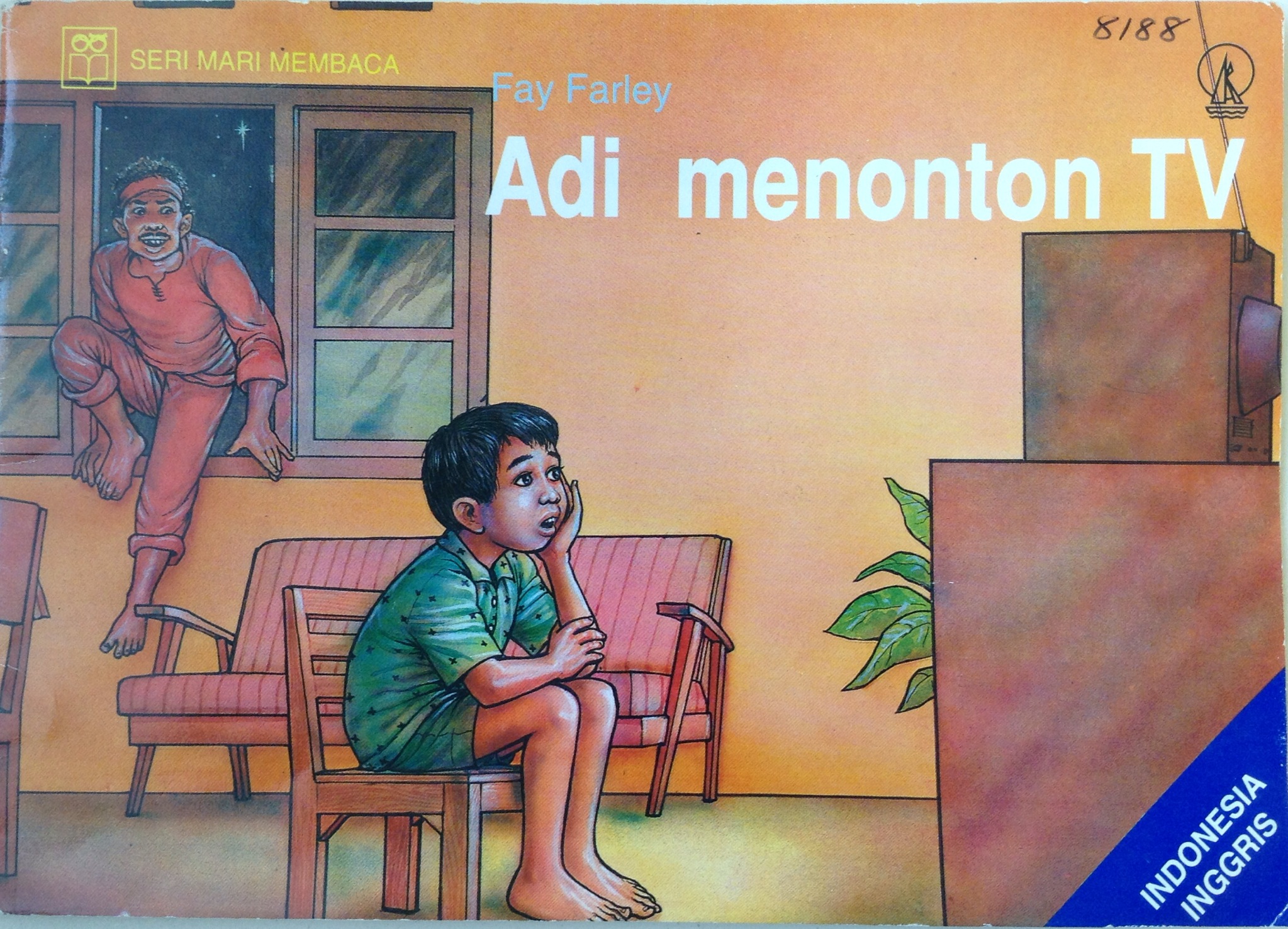
This pedagogy resonates with me for several reasons. Firstly, I remember how important sentence and word repetition is for young students learning how to read and write. It has been a constant source of frustration for me that there are limited Indonesian storybooks/texts which incorporate predictable and repetitive sentence structures. The Seri Mari Membaca books are brilliant for this and are leveled but unfortunately they are the only book series I have discovered and not only are all the authors definitely not native speakers but the illustrations, while of Indonesian people, are totally out of date and old fashioned and reinforce culturally inappropriate and inaccurate stereotypes! IMG_8996-0.JPG
Secondly, TPRS is a pedagogy that for me, addresses an issue first raised by Bu Febi when she visited us in 2011. One day after our lessons had finished and we were chatting generally about my Language program, Bu Febi offered me some advice. She recommended that I needed to incorporate more spoken Indonesian into my lessons. She was right! 98% of the language in my room at that point was English. I agonised over this for years because I knew I should reverse this but I couldn’t see how I could. Finally, the last point which makes TPRS a style of teaching I want to explore in more depth, is the recent approval of the new (Australian) Indonesian Curriculum. I have attended workshops and conferences devoted to familiarising teachers with our new curriculum, however I still remember my very first introduction to it with Andrea Corston. What jumped out initially for me was the amount of spoken language teachers were now expected to incorporate into their teaching. These 3 points have been recently niggling in the back of my mind while on Pinterest or Twitter or while searching for language teacher’s blogs.
Once I began researching TPRS in greater detail, it became clear just how well TPRS addressed all these issues. I then watched a few YouTube videos and I was instantly hooked. I couldn’t wait to try it with my students. About week 8 last term, and at a point where the upper primary classes – whose term outline and planning had gone down the gurgler because of the difficulty of finding mystery Skype partners in Indonesia or Asia (school holidays, Ramadan, new school year)- I was provided with the perfect opportunity to trial TPRS.
I first started with the year 5’s and 6’s. I even pushed all the desks to the back of the room and had them sitting in a semi circle on our stools, which actually worked well because it emphasised that we were about to embark on something totally different. To start with, I focused entirely on ‘Kenalkan’ (introducing oneself) language which was for several reasons. Firstly, it was personal; an important aspect of TPRS, and secondly I could begin with a topic that would be based on vocabulary students were already familiar with and therefore hopefully would be less threatening for them. The new words I did introduce were:
tidak (no/not),
paham (do you get it?/ understand?),
Astaga (OMG),
laki-laki, perempuan (boy/girl),
kamu (you),
dia (he/she) and
kami (we).
It was exhausting but oh so exhilarating. After the first class, I asked students what they’d thought of it and they admitted that at first when I’d stated that we would only be using Indonesian in that lesson, they’d been concerned but once we got going, they just loved it. The only negatives were that at times I went too fast and that sometimes students got too carried away shouting ASTAGA to encourage each other!! Their positive feedback blew me away.
However I knew my toughest and most honest critics would be the year 6/7 class (11 – 13 year olds), so I dug deep and led them through a lesson too. Considering that in the class that week was a student on exclusion and 2 other reasonably recent transfers, all from the same school, (where they too have an awesome Indonesian language program) and therefore included 3 students who do not have the same depth of relationship with me that the others have, the lesson went smoothly. I began with asking individual students, “Nama saya Bu Cathy, siapa nama?” (My name is Bu Cathy, What’s your name?) a format they are all familiar with but then I began PQA, eg, “Ini Mitchell?” to which they could answer ya or tidak. At this point, I realised that I should have also incorporated mentioning ‘bukan’ into my circling script but as it was my first lesson, I hadn’t thought that part though beforehand. Hopefully one day I will be able to seamlessly incorporate successfully a grammar ‘pop-up’ within a lesson! I next progressed to, “Saya tinggal di Port Elliot” and after that, “Umur saya dua belas.” I then called for 2 volunteers – Flynn & Oscar- and we did some more PQA about the 2 boys. With the other classes, I usually stopped there, but with this older class, they then had to write non stop for 7 minutes using only Indonesian. This was very interesting. I gave no direction, only that if they couldn’t write sentences, they could just list words, it just had to be 100% Indonesian. Surprisingly, only a few wrote a paragraph about themselves, they mostly wrote unrelated sentences or words. After the 7 minutes were up, I then asked them to count the number of words they had written and then give me some feedback on the lesson. I asked for a positive comment and a negative comment. Here are their responses:

Positives
Loved having the oportunity to talk in Indonesian 4
Enjoyed learning new words 6
Enjoyed watching Flynn & Oscar perform 2
Enjoyed being brave & Performing inn front of peers 2
Enjoyed writing in Indonesian 3
It was funny & fun 3
I sort of understood everything 2

Negatives
Did not like having to write 6
There were too many new words 4
Not fun 1
Didn’t like the audience whispering during the performance 2
It went for too long 2
We don’t do enough writing in Indonesian lessons 1

Isn’t that fascinating! For me, their feedback clearly demonstrates that their introduction to TPRS was largely enjoyable and definitely worth repeating.
The other feedback that comes through loudly and clearly is that I expected them to learn too many new words in one lesson and did not circle them enough. If I look back at the basics of TPRS, I can see that I tried to cover all 3 steps in just one 50 minute lesson!! I also need to incorporate more activities into the lesson like brain breaks, so that students are not sitting still for so long.


Using ICT with the Australian Curriculum T & D

My head is still spinning after a fantastic day full of pedagogically challenging ideas. Congratulations and kudos to Kathy Turley, Sandy Warner, Brenton Hudson & Jodie Allsop for their efforts and organisation.

20140617-191015-69015637.jpg

The day was divided up into 3 sessions. Selena Woodward led the first 2 sessions which left me totally exhausted physically and mentally! She began with a prezi presentation which I especially enjoyed as it is the first time I have seen one ‘in action’. The main focus of the first session was Google Earth and how to use it in the classroom to support the Geography and History curriculums. We learned how to create a tour, how to tweak the available properties, how to save it and then enjoyed sitting back and looking at the tours made by others. Writing it down like that makes it sound so straight forward and easy, yet I was totally washed out at lunch and could barely summon the energy to enjoy the delicious wraps provided!
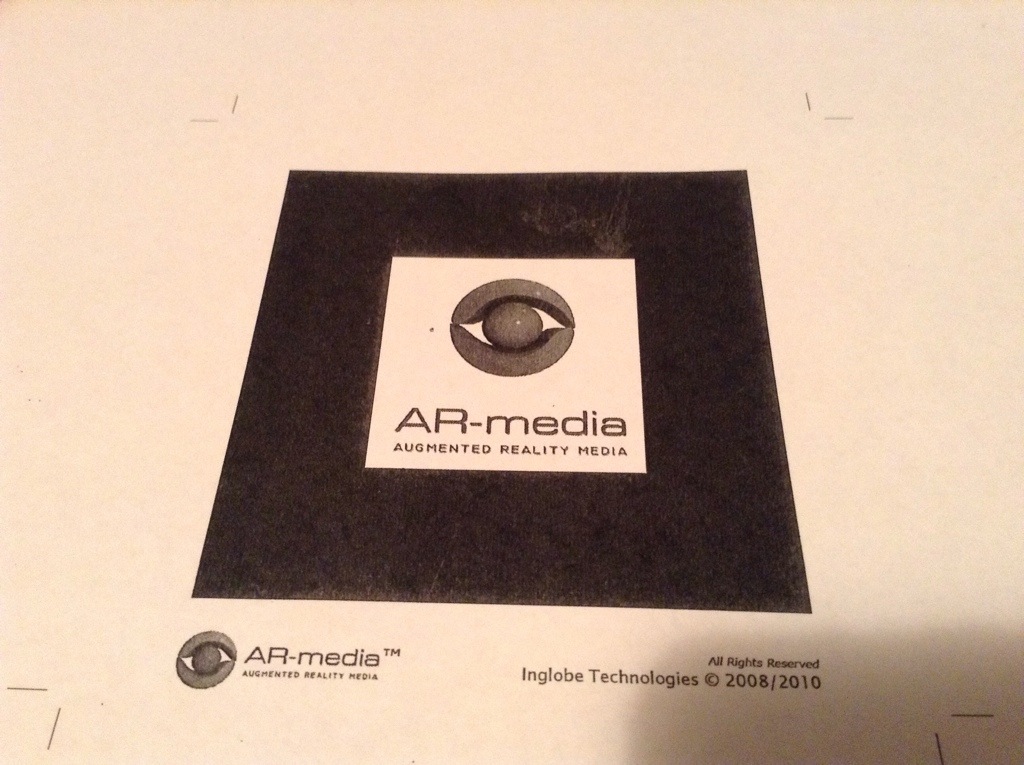
During the 2nd session, we had planned to explore timelines, yet all agreed it was better to use the time to better master Google Earth. Right at the end of her session, Selena introduced us to AR Media Player which gave most of us our first ever opportunity to explore ‘augmented reality’. It was soooo cool. Using the ARPlayer app, we viewed this graphic

20140617-133307-48787261.jpg

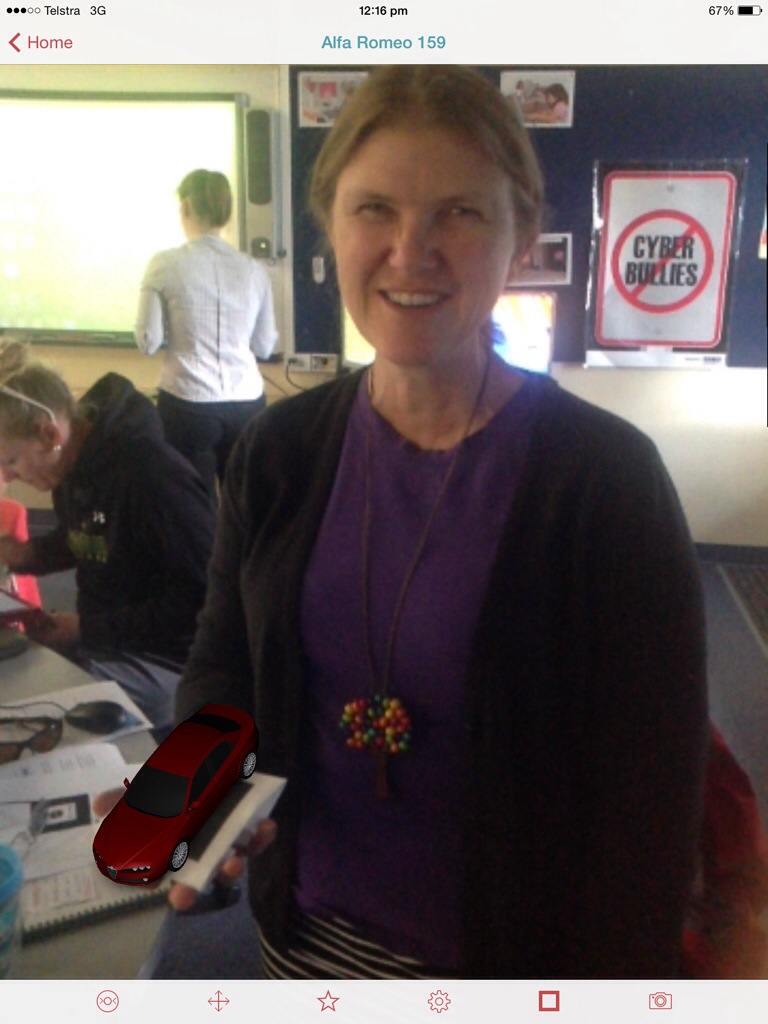
and suddenly on top of the graphic, a beautiful alfa romeo appeared.
Here is a photo of Sandy holding it!

20140617-191103-69063873.jpg

Turns out there are a variety of options available, yet sadly none are directly authentically Indonesian however there is also an option to create your own, so that would have to be the next obvious direction worth exploring! The shark one was awesome and we discovered that once the shark image is on the screen, you can rotate the image using your fingers!

The afternoon session was led by our PEPS team fresh back from the EduTech conference and all bursting with wonderful experiences to share with us all. We began with a drawing exercise which demonstrated very well how teacher can sometimes unwittingly stiffle creativity. Next we watched a Sugata Mitra video from TedTalk (totally recommend that you google this) about his computer hole in the wall experiment which naturally would be fascinating to replicate in Indonesia! We were also given the opportunity to think about our classroom spaces and how we could improve them to further foster creativity & collaboration.

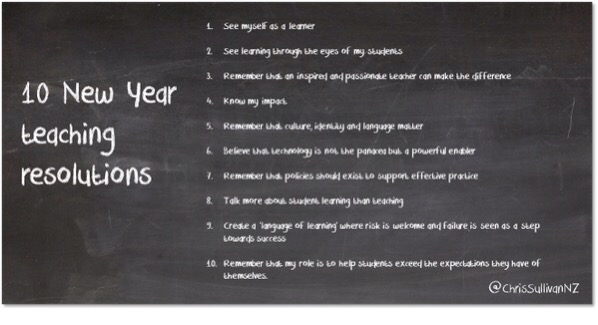
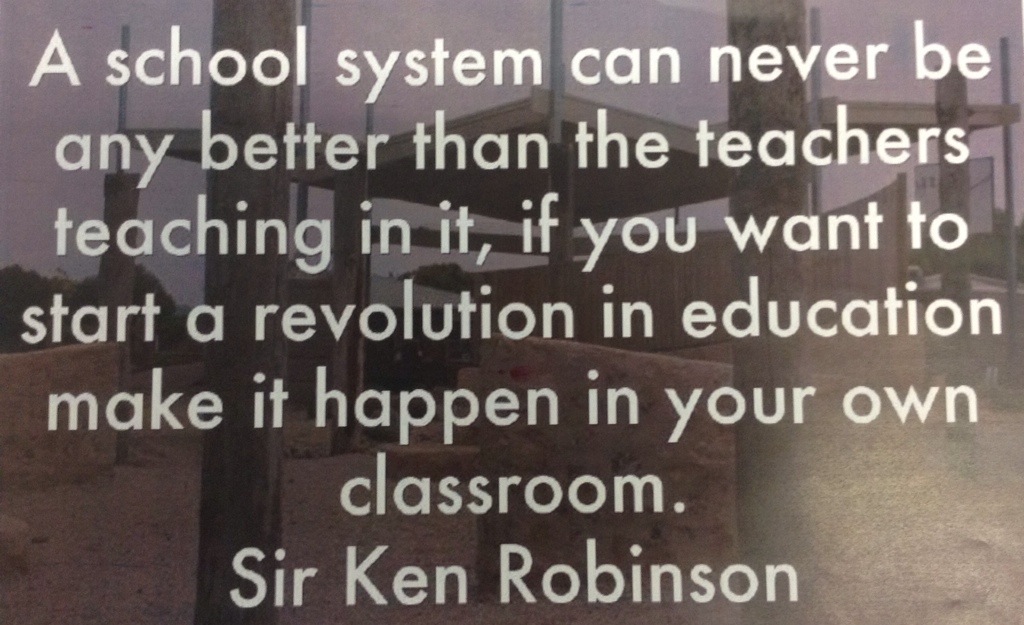
However it was the session run by our principal which really hit the spot for me. He posted a quote in last weeks staff bulletin:

20140617-160954-58194092.jpg
which really challenged me as a language teacher. How can a language teacher not teach content? How do we develop student proficiency without teaching content? He then introduced the concept that teaching today is not about imparting information, it is all about teaching 21st Century skills.
We were then invited to look at the General Capabilities, focusing on the Key Processes. We underlined all the key processes and I ended up with a list of words like:
reproduce
recognise
develop
understand
observe,
imitating
describing
predicting
comparing
translating
connecting
experimenting
reflecting
monitoring
performing.
Focusing on these words, it became clearer for all of us that any program based on these skills would be incredibly engaging and far more relevant for todays students than purely focusing on the content. It also ties in beautifully with globalisation and creating world citizens which is what underpins the entire Australian Curriculum.
What a fantastic day and perfect timing for me, with our time spent with Andrea only a few weeks ago!

20140617-161523-58523233.jpg

Languages Curriculum Workshop

A couple of Sundays ago, three Indonesian teachers from the Fleurieu Indonesian teachers Hub Group met with Andrea Costen, an Indonesian teacher currently working in 2 Adelaide High school settings.
The 3 of us have, for varying reasons, been impatient to begin our investigation of the Languages Curriculum and therefore have been planning this meeting for months. While INTAN has/had a curriculum forum planned for later this term, we invited Andrea to come and give us an introduction beforehand and now we are so glad we did.
We met at one of our homes which was lovely because while we were learning, we could listen at times and lift our eyes to the beautiful grounds and views that surrounded her home. It was a glorious day, and the view simply was the icing to the cake and just added to the discussion that was happening inside.
We each had a copy of the revised draft Australian Curriculum: Languages Indonesian.all 93 pages of it! I had forgotten that it actually includes 2 pathways and we only really needed the first – Foundation to Year 10 Sequence however it was valuable to also have a copy of the Years 7 – 10 (Year 7 Entry) Sequence too and understand where it fits in!
We began the workshop by peppering Andrea with questions mainly about programming and other nuts and bolts aspects of applying the curriculum in the classroom. With 2015 looming fast, we explained our urgency. All 3 of us will have or have had significant amounts of leave over 2013-2015 and we each are concerned about the resulting gaps which will impact on its application and implementation in the classroom.
However Andrea immediately put us at ease by informing us that it was recently brought to her attention that 2015 has been identified as being a year of familiarisation and at this stage the Languages Curriculum will not be mandated until 2016. Music to our ears!

Andrea next introduced us to the language in the curriculum, the layout and illustrated her points with examples from her own teaching. It was so inspiring.

We began our journey through the Languages Curriulum at the very beginning with the Band Descriptors which describe the learners.

There are 2 major strands
– Communicating &
– Understanding.

The sub-strands for Communicating are:
Socialising
Informing
Creating
Translating
Reflecting

& for Understanding are:
systems of Language
Language Variation and Change
Role of Language & Culture

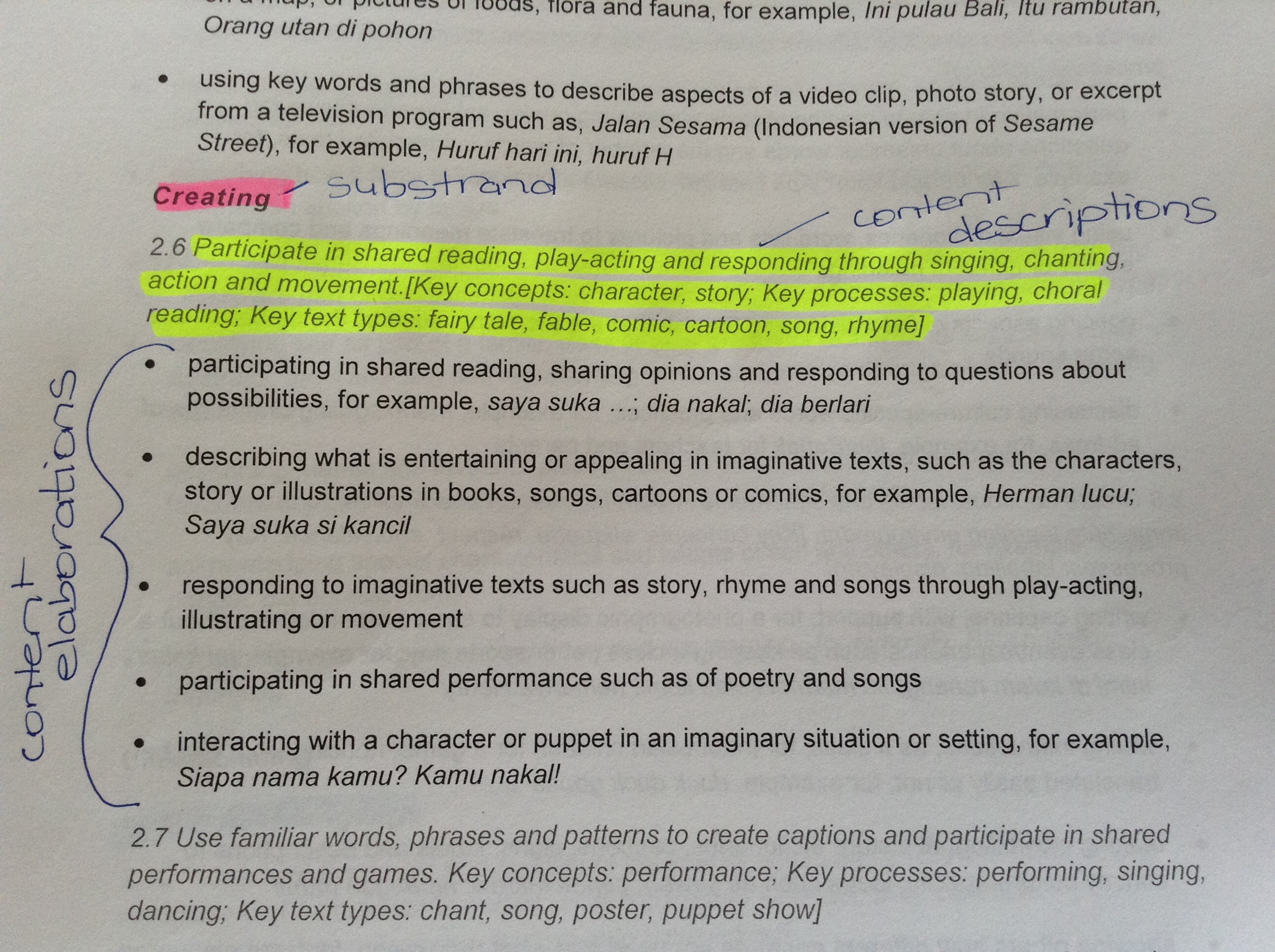
Content Descriptions are the compulsory and required content elements whereas the Content Elaborations are purely illustrative suggestions.image

I emerged from the workshop busting with enthusiasm to trial some of her ideas the following week! I also emerged with pages and pages of notes which I will edit and include because I am hoping others will find them interesting and thought provoking too.

‘Identity’ is a concept underpinned throughout the entire Curriculum. This helps remove the ‘strangeness’ & foreignness’ from language teaching which in turn increases tolerance. Teachers use language & culture ‘hooks’ to connect their students.

Intercultural teaching is big picture thinking and not the 5 F’s. It promotes deeper thinking and understandings.

Instead of having a set task for each class to complete to represent and measure the learning covered during a term theme, could we at the primary level instead pose an inquiry question based on what teacher and students believe to be the most important understanding we want to know as a result of the term theme? For example, What role does schooling play in the community? Or, How do we take care of ourselves and others? How do we promote good health?

Language teaching should be about encouraging thinking rather than about providing answers.

This can be achieved by asking students about what we need to know and then listing the points which can then be ticked off as they are each covered. It could also include asking students to contribute to the list of key vocabulary to be introduced/revised. I love this idea. I do begin each topic with a list of vocabulary which is often targeted through flashcards and games. I have in the past simply added any student initiated words however I realise that this in itself demonstrates how teacher centric my teaching is. This is going to be extremely challenging for me with my current stye of teaching yet also very exciting and leads perfectly to my next dot point.

In learning about the new Languages Curriuclum, Indonesian teachers should play with the shift in thinking rather than in the shift in programming. The shift is in pedagogy.

Know your students. Andrea gave examples of how she had surveyed her students to discover what other languages they had learned or already spoke. This is definitely something I would like to investigate further with my students. I asked my upper primary classes the following Monday about this and discovered that not only did we have students who spoke Punjabi and Greek, but one of our recently returned students from the APY lands speaks Pititjantjara! That was very exciting because a group of Year 6-7’s are currently preparing for a 10 day school bus trip to the AYP Lands! It also gave students the opportunity to consider what level of fluency gives you the right to say you speak a language. Being able to say “Aloha” does not make one fluent in Hawaiian!

Andrea then finished off with some homework tasks for us. Here they are:

1. Look at the ACARA website and familiarise ourselves with it. Look through one of the subject areas and explore how everything is set out because that is how the Languages Curriculum will be.

2. Design a profiling tool to get to know our students. Andrea shared hers, a survey she asked all students to complete.

3. Look at the achievement standards and look at how they are sequenced and build in complexity.

Once again, a huge thanks to Andrea for meeting with us down here on the Fleurieu and providing us with so much information on the revised Curriculum- Indonesian.


Preparing For The Implementation of The Indonesian Curriculum

Well, here I am back in Australia after my amazing journey around Indonesia! While traveling around Indonesia I always had it in the back of my mind that the new Australian Curriculum for Languages would be implemented in 2014. It feels weird that I have been excited about implementing the new curriculum but I truly regard it as both an exciting teacher challenge and hopefully also the springboard from which to launch a thoroughly inspirational Indonesian Program so that I can share a fraction of my 7 months of complete Indonesian language and culture immersion with my students.

I am very fortunate to be a member of a very active and committed local hub group called The Fleurieu Peninsular Indonesian Teachers Hub Group. There is a very strong core within our group and together we have been responsible for a variety of amazing programs. I love the way we work together as a team and that everything we do benefits all our students equally and is never about personal accolades. Our hub group is truly amazing and even though we work individually at separate sites, the sharing and support we give each other more than makes up that. So it wasn’t that surprising that even before I returned to Australia, I received an email from Ibu Sharon suggesting dates for a hub meeting to discuss planning for 2014 and entwined in that planning is the implementation of the Indonesian Curriculum.

Once the date of our hub meeting was finalised (tricky finding a date that fitted in with family and business commitments), I began my research so that I would be ready for the largest dot point on our agenda: Planning for 2014 using ‘The LOTE Curriculum’. I opened my trusty iPad and in the safari browser typed in ‘Australian LOTE curriculum’ and this is what came up:
image
Upon looking at the first link I discovered a document dating back to 2011 and obviously one of the original planning documents with nothing about the nuts and bolts of the Australian Curriculum for languages.
image
I then opened the 2nd link which contained many further weblinks but none of them included the draft Indonesian curriculum so then I looked more closely at the timeline right at the top of the page.
image
It appears that the curriculum is yet to be approved and implementation is expected to be in May 2014.

So I decided to consult a true ‘guru’, Andrea Corston, a great friend of mine who is also the 2013 vice president for INTAN (Indonesian Teachers Association SA).

Hi Andrea,
I guess you are back in Australia by now too! Sorry to email you about work things, but hopefully my questions are simple and don’t need too much thought!
I am curious to know where we are up to with the LOTE curriculum. I have just looked at the ACARA website and it seems that implementation isn’t till May 2014. Is this true?
Also I can’t find a copy of the LOTE curriculum with a list of outcomes. Is this because it hasn’t been done yet or is it because it won’t include such a list?
Our hub group are meeting soon to plan for 2014 and I would love to know where to start!!

Her detailed answer demonstrates why she is a ‘Guru’:

The Australian Curriculum for languages which have already been written and are currently being finalised (including Indonesian) will be released for a familiarisation year in 2014. See Attachment 4, page 30 of the DECD Guidelines for the implementation of the Australian Curriculum in DECD schools: Reception – Year 10 for these timelines http://www.decd.sa.gov.au/teachingandlearning/files/pages/Guidelines_for_the_Impleme.pdf

That is, there will be Professional Learning offered to help teachers and school leaders to understand the new Languages curriculum requirements throughout 2014 – this could be offered through DECD, CEASA, MLTASA and hopefully INTAN, so it is highly advisable for all South Australian Languages teachers to be linked in to their professional networks so they don’t miss these opportunities. Indonesian and other languages currently being developed will be ready for implementation in 2015.

So although the Indonesian curriculum should be released by ACARA by May (and possibly before), there is no requirement to teach to it in 2014 as it will take some time for teachers to get their heads around the new orientation. There are no outcomes in the new Australian Curriculum for any Learning Area, as assessment will be described against Achievement Standards as for English, Maths, etc.

The most recent November ACARA update (attached) describes the revised Strands and Sub-strands for all Languages, on which the Language-specific curricula will be based.

Andrea Corston
INTAN Vice-President

Wasn’t that a comprehensive update! I am slightly relieved and also slightly disappointed that the LOTE curriculum is not ready for an immediate start but in reality the delay allows me to be more prepared for it’s impending implementation next year.

From Andrea’s email, I realised that maybe I should have made my search slightly more specific so I began another search and this time typed “Australian Indonesian Curriculum” into google and the first on the list was this: http://consultation.australiancurriculum.edu.au/Static/docs/Languages/F-10%20Indonesian%20-%20Draft%20curriculum%20-%20May%202013. a 104 page document and from page 6, I finally found the draft curriculum!

I am finally feel prepared for the first point on our agenda for the next Indonesian Teachers Fleurieu Hub Group meeting!! I now need to make a start on the others but that will be another post!!