Running Dictation

A couple of weeks ago, I tried Running Dictation with my students using a recommended twist I read about on one of the many amazing TCI blogs I follow.

All year 3-7 students have been focusing on the following target Language this term:
mau – want
kasih – gives
punya – has
minum/makan – drinks/eats

Using a familiar mini story about Spongebob and Patrick, (who are without doubt the most popular celebrities I have discovered for all year levels), I pared down one of our stories down to:
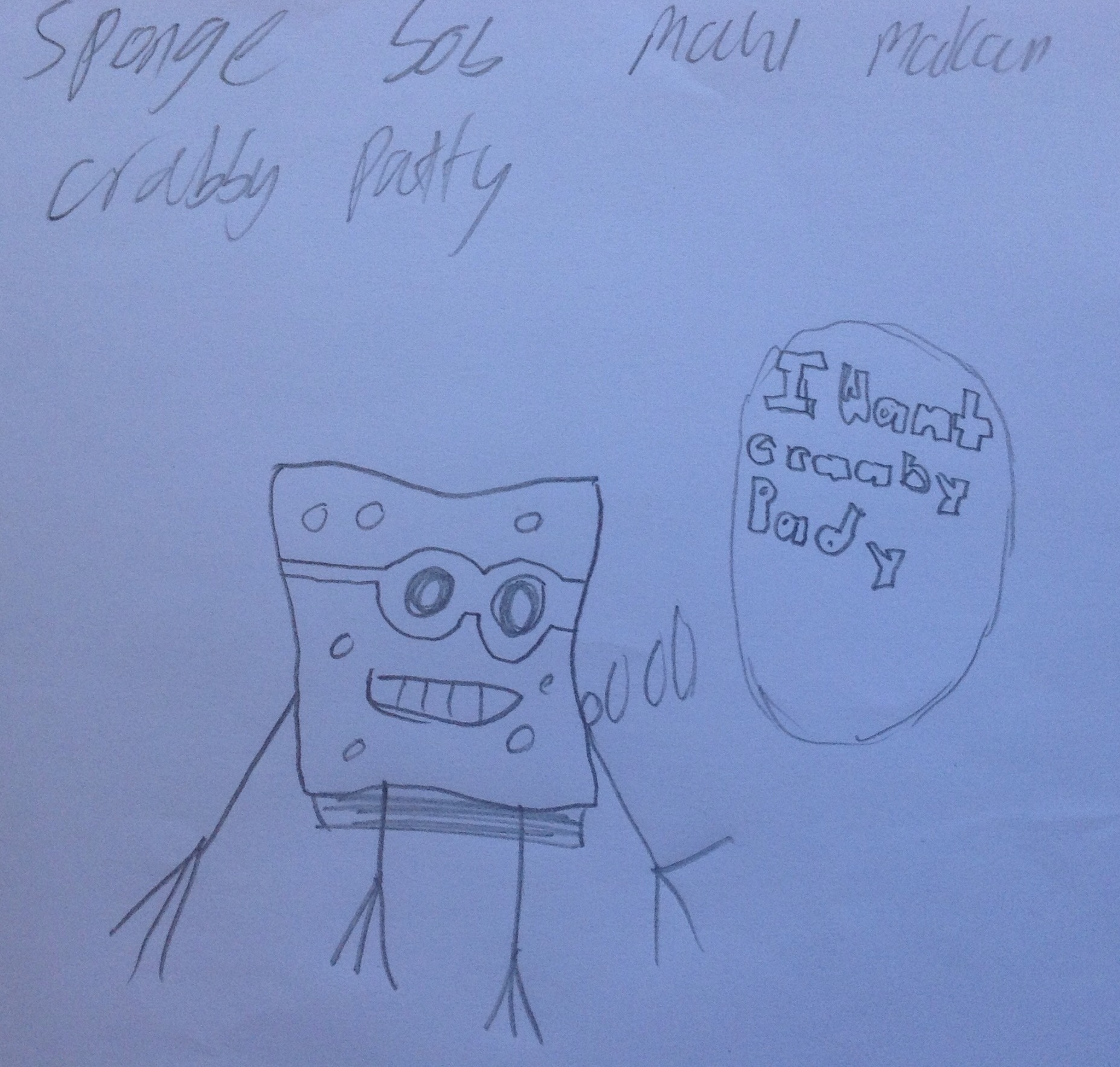
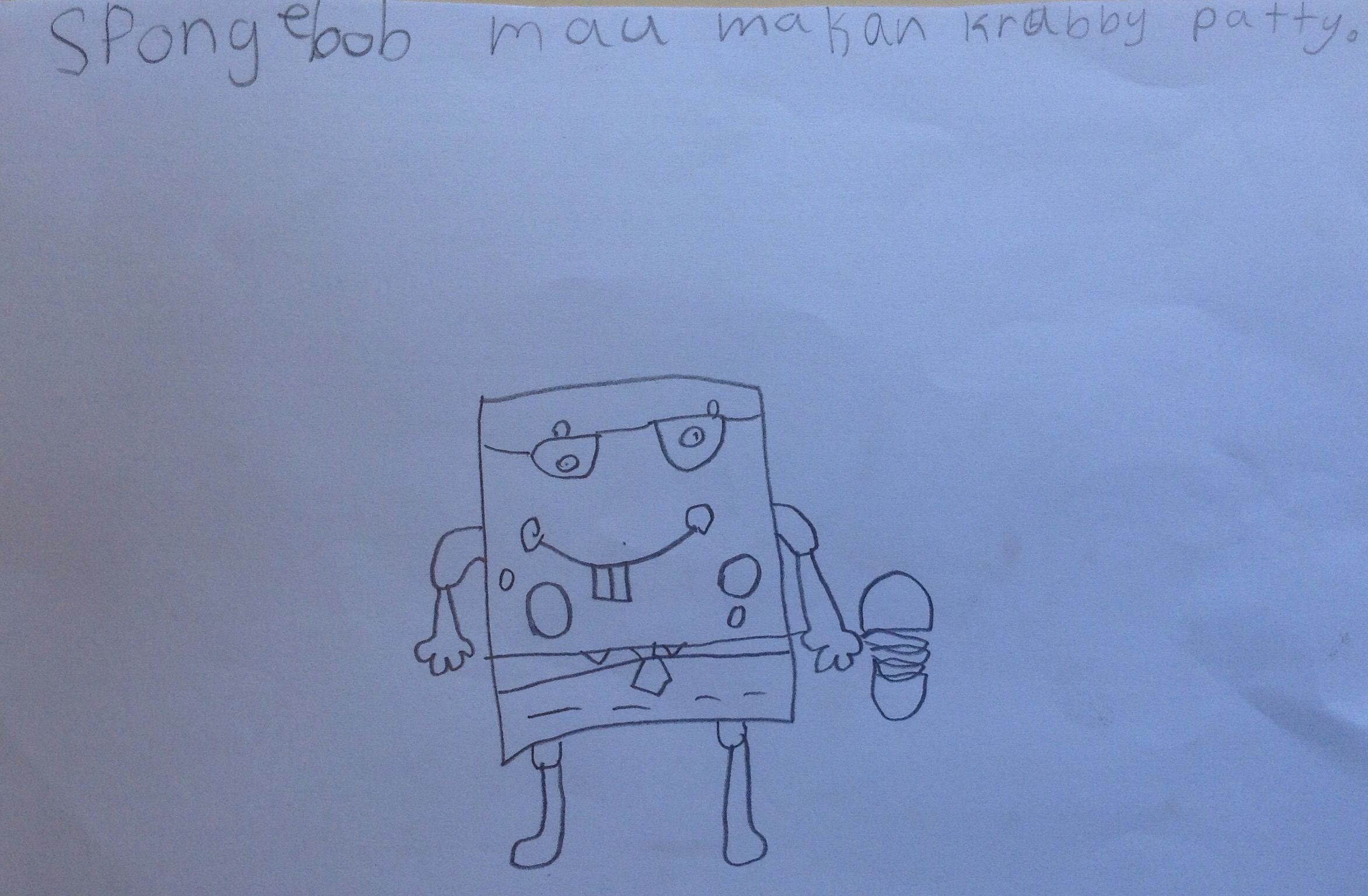
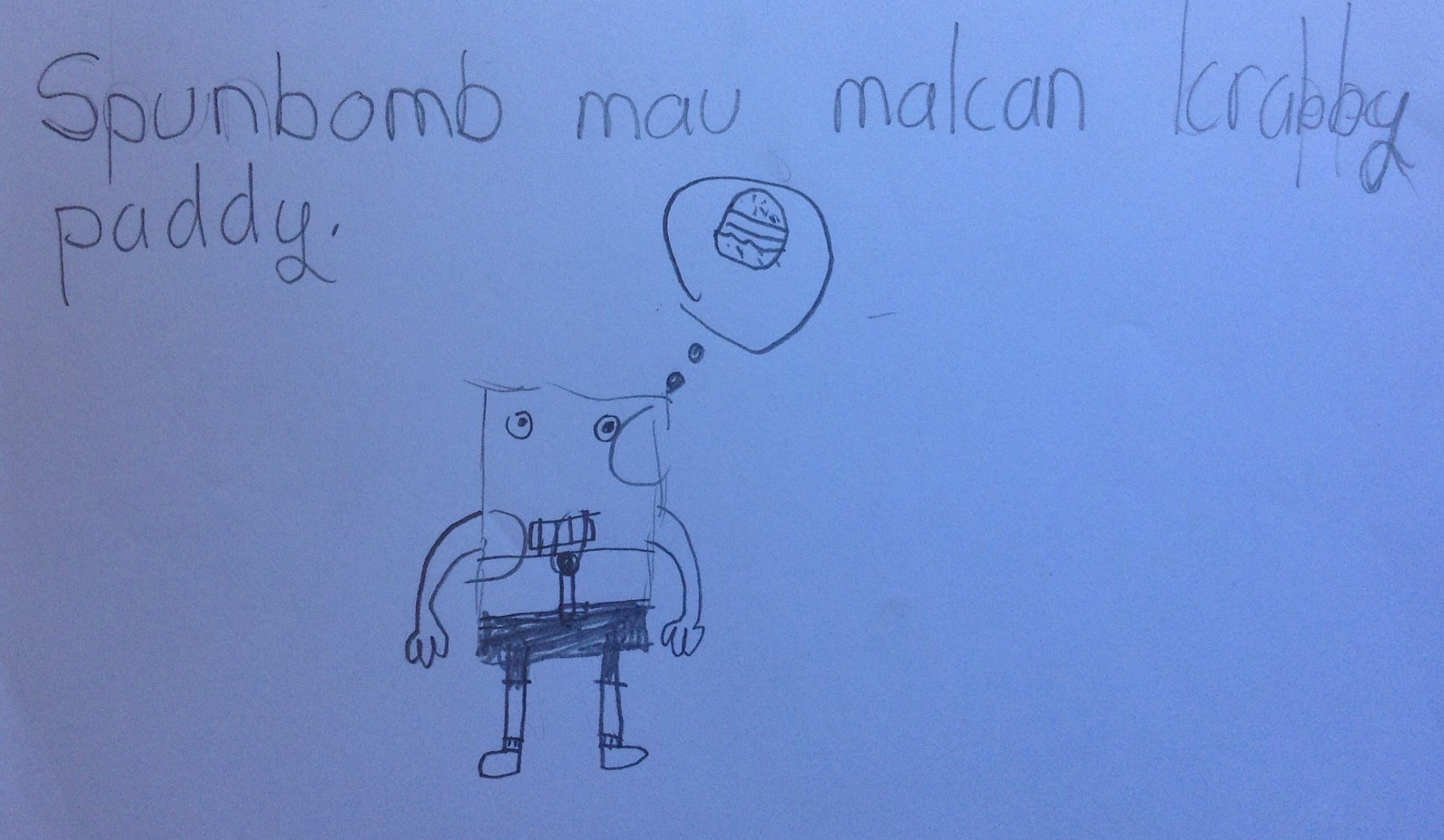
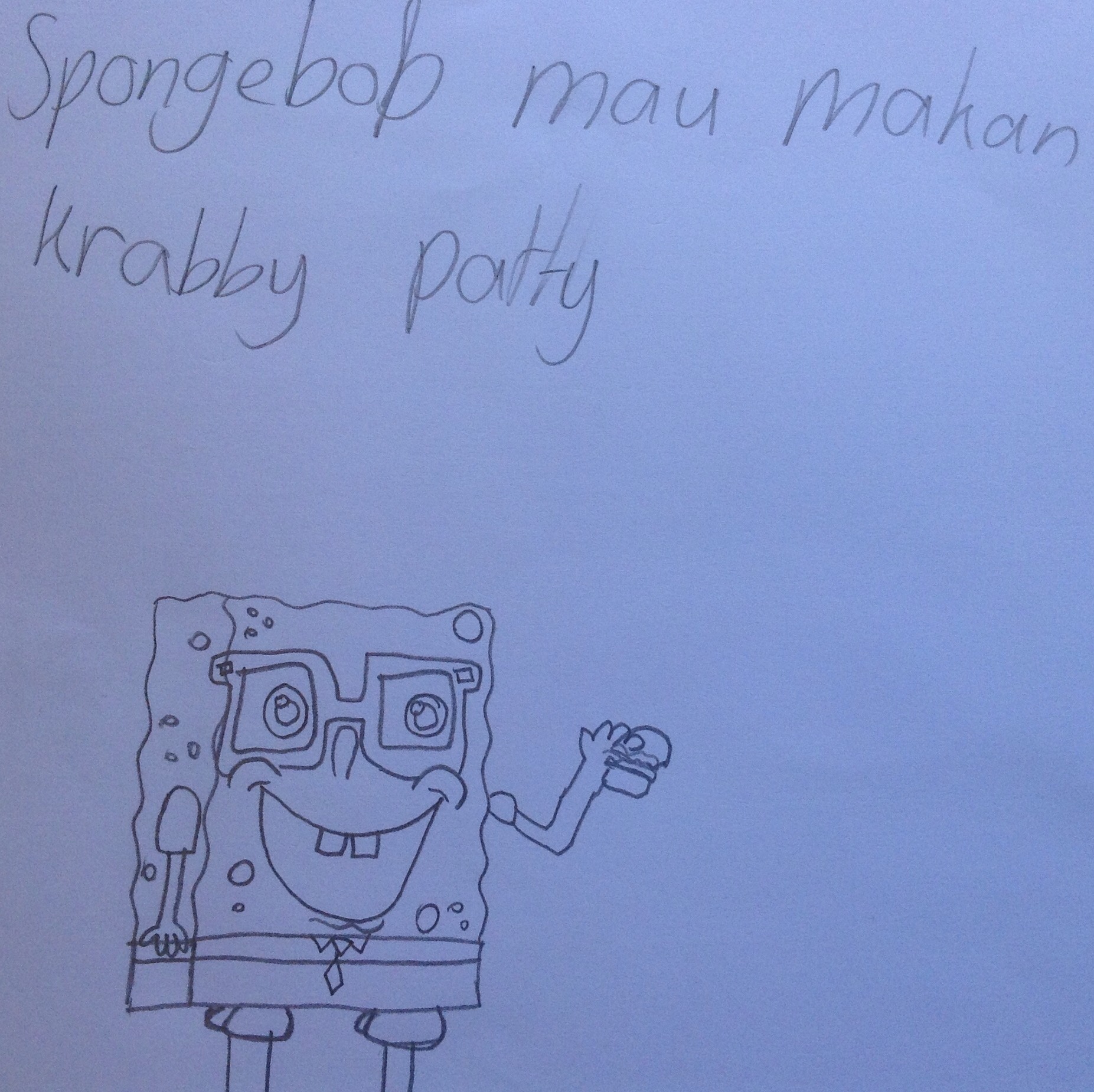
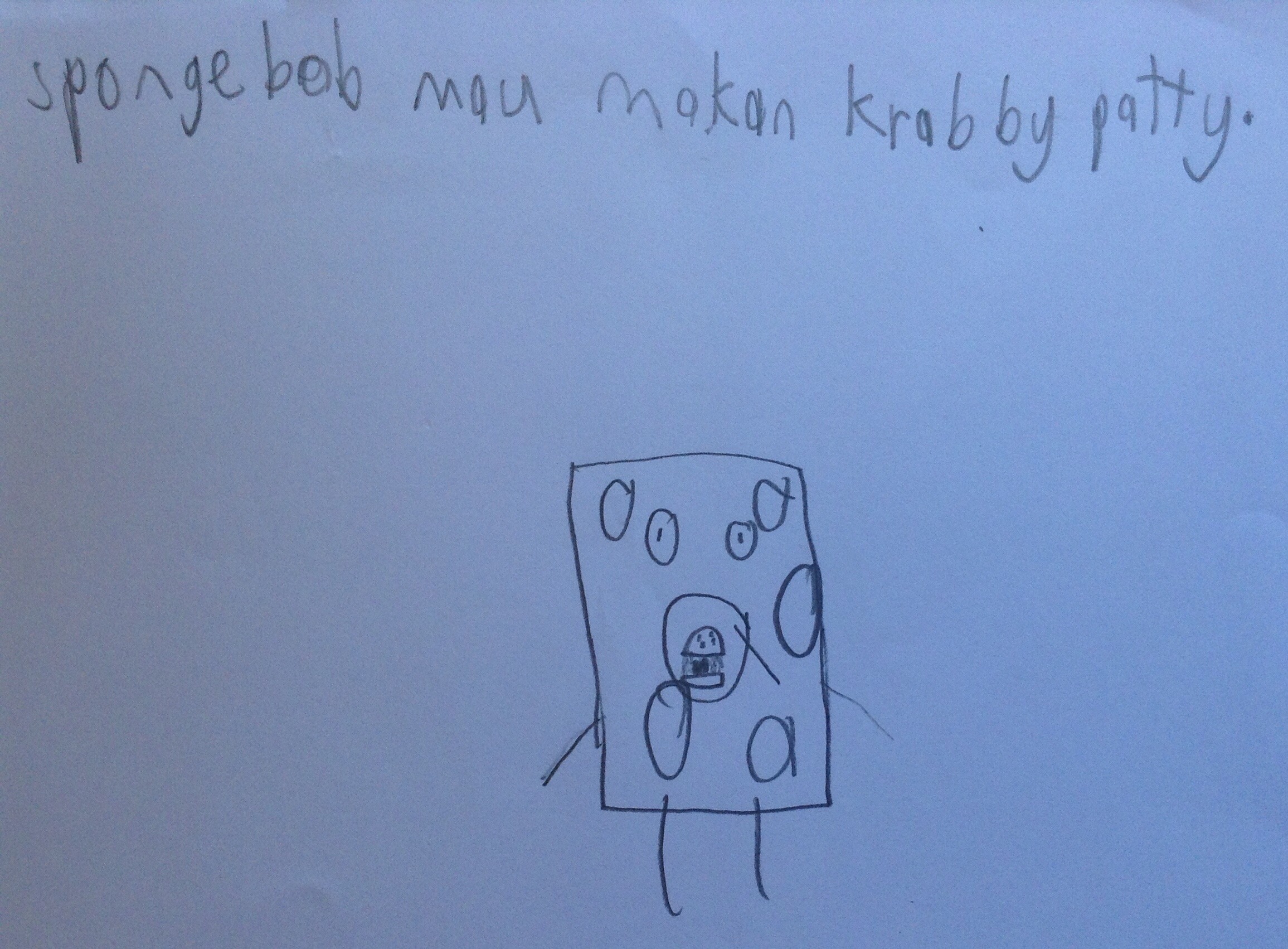
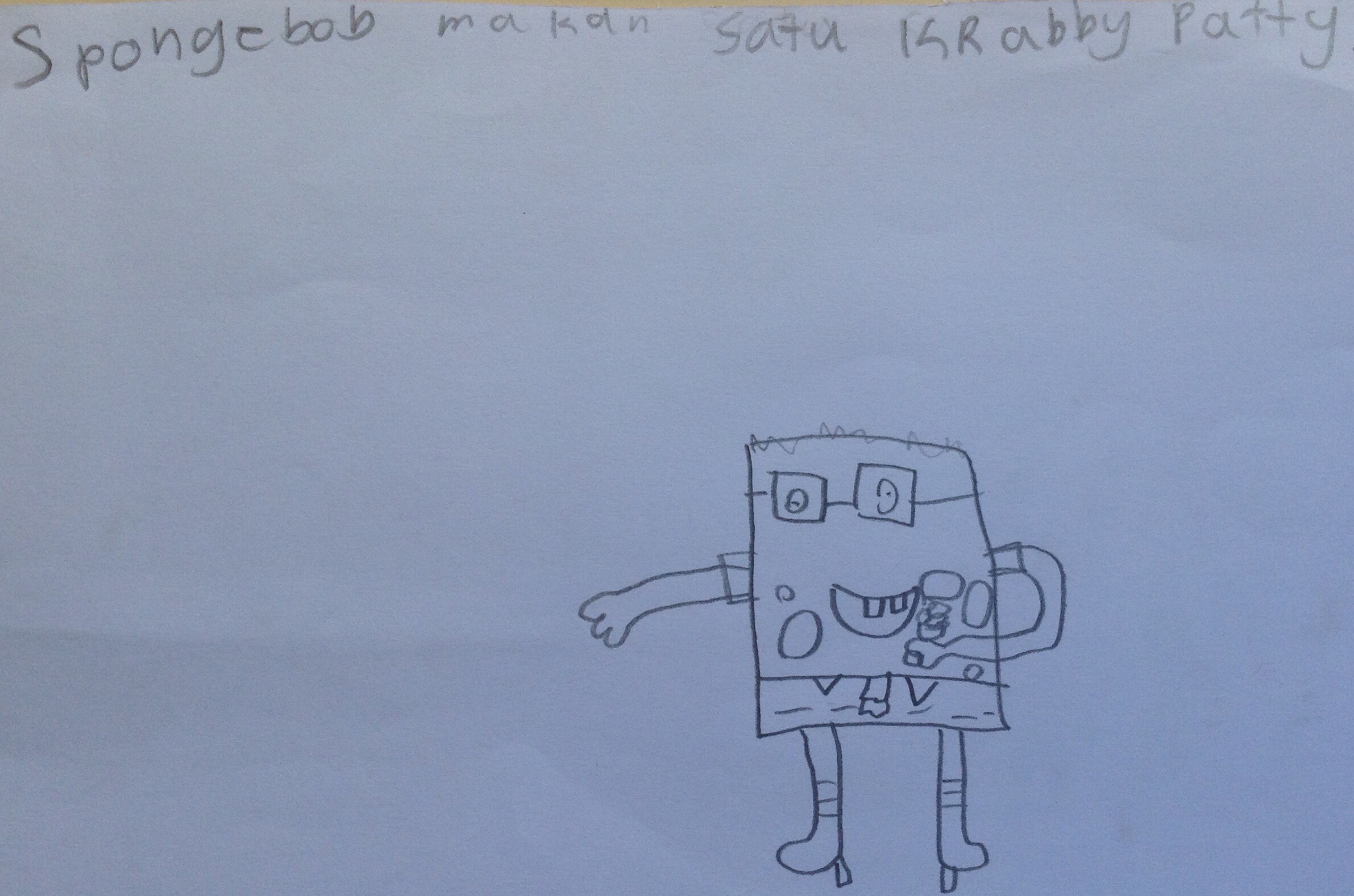
Spongebob mau makan krabby patty.
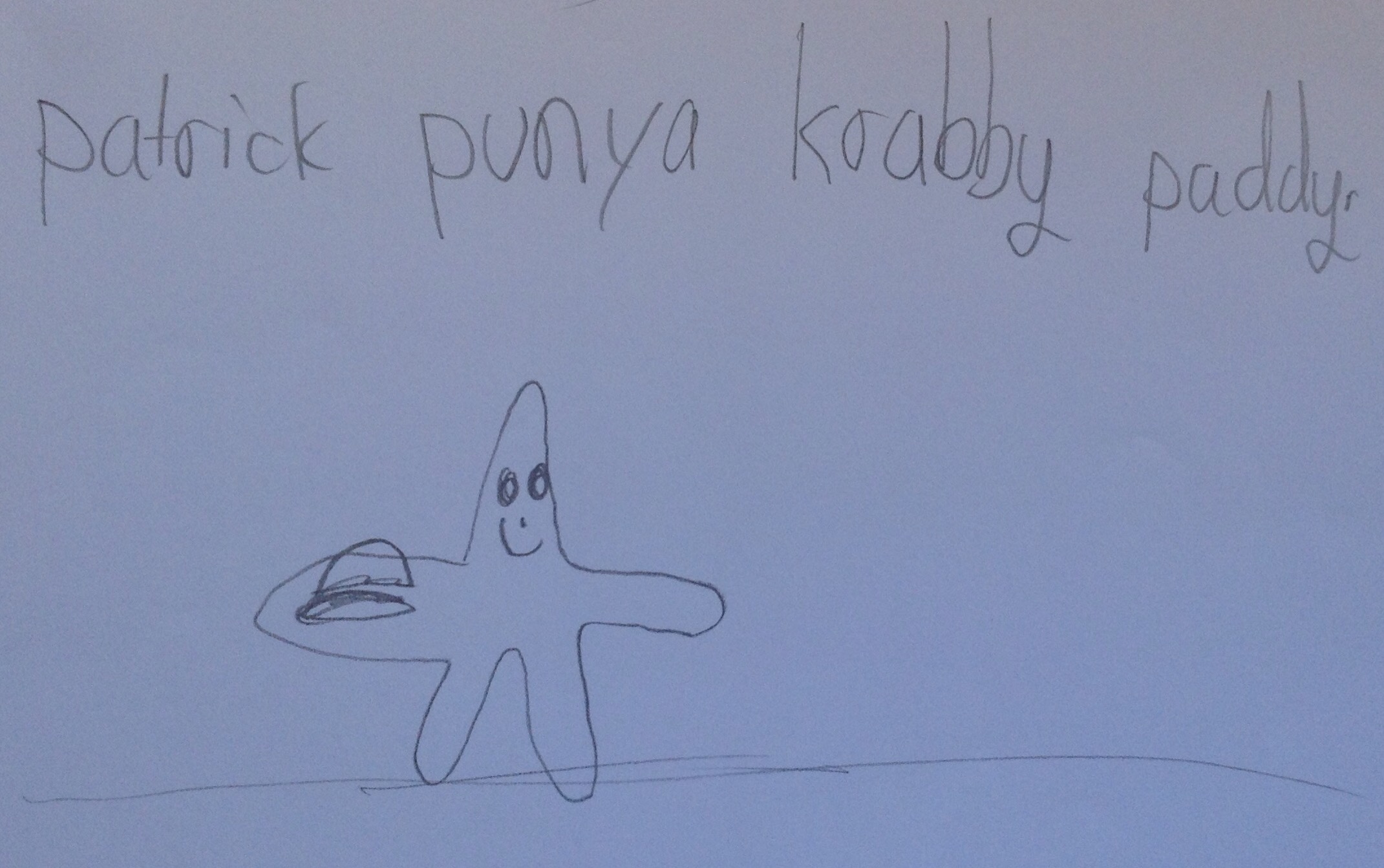
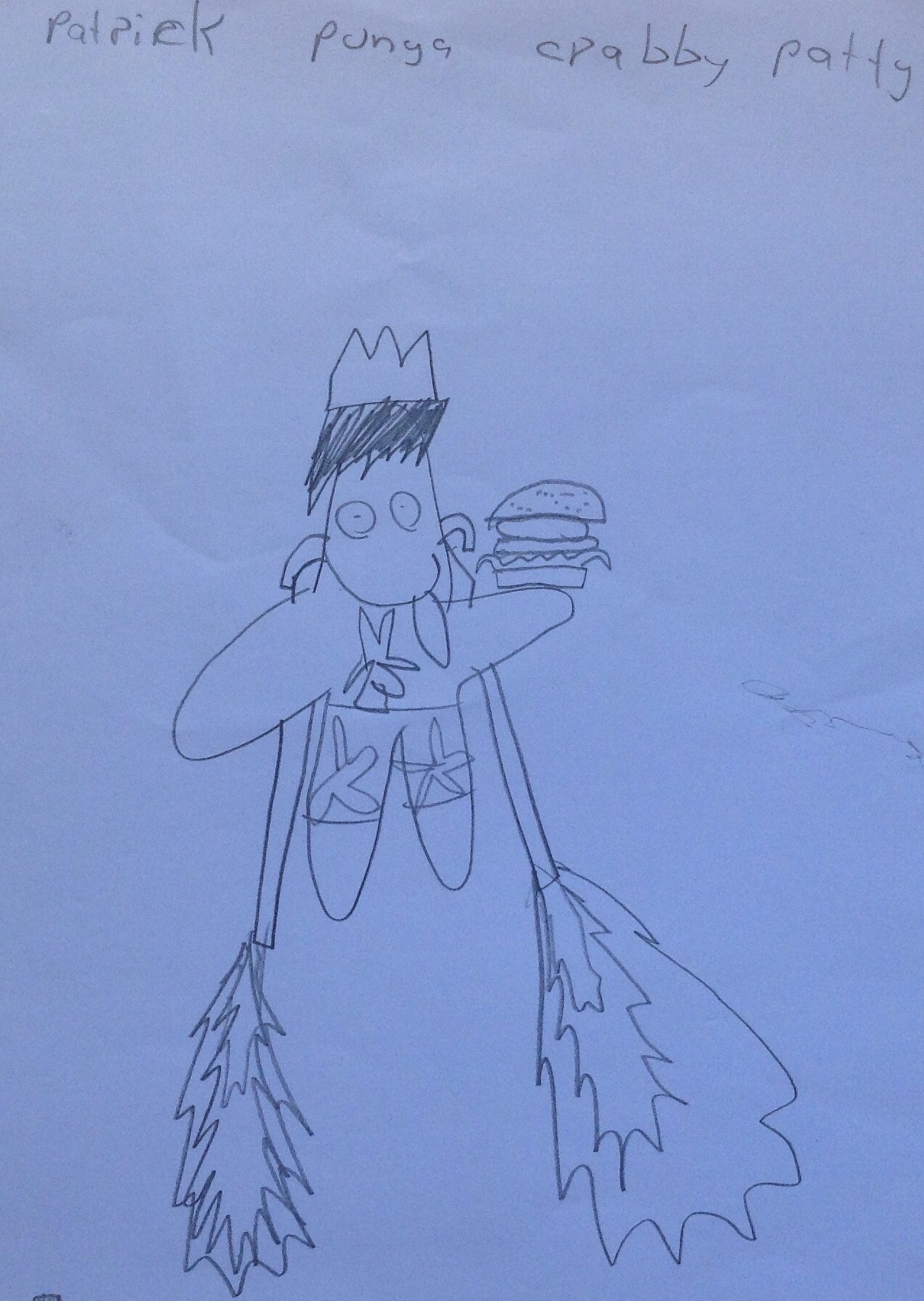
Patrick punya krabby patty.
Patrick kasih Spongebob satu krabby patty.
Spongebob makan satu krabby patty.
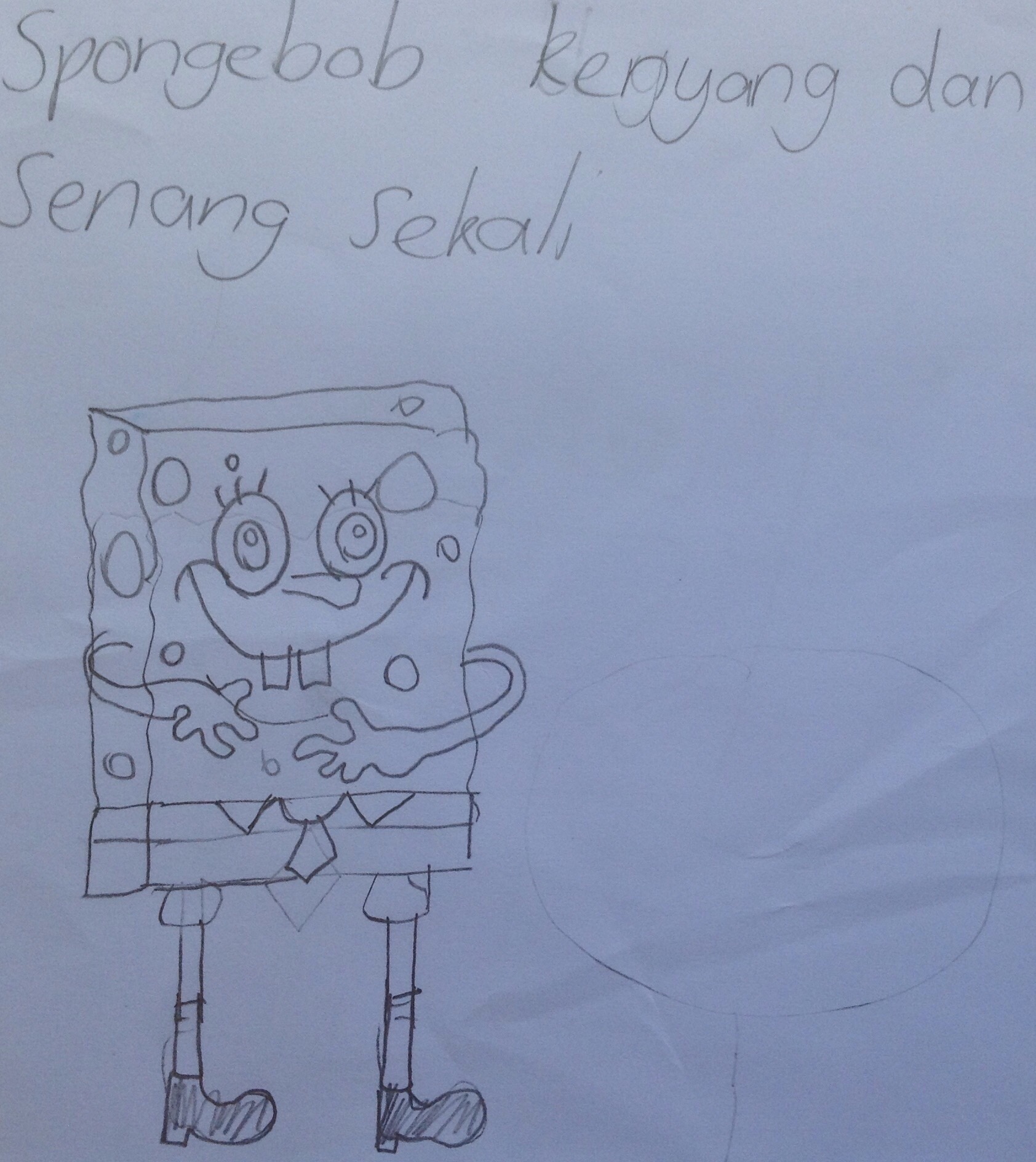
Spongebob kenyang dan senang sekali.

I wrote each sentence in very large font and then printed it onto A3 paper. I cut up the sentences into strips and then put each sentence in different spots around the room randomly. One was on the telephone bench, one on the computer desk, one on a back table, one on another back table and one on the table near my desk.

In groups of 3, students had to nominate
a reader – the fastest and most confident reader with a good memory,
a writer – the neatest and fastest writer who is also a good speller
an illustrator – the best drawer/illustrator.

Before we started, each group needed to organise 2 clipboards, 2 pencils and have 5 sheets of A5 white paper.

The reader had to, in any order, find a strip of the story, read it, memorise it, and then run back to his/her team and retell the writer the sentence. The writer then neatly wrote out the sentence onto one of the A5 pieces of paper, checking with the reader any spelling that they are unsure about. The writer then gives the page to the illustrator who illustrates the sentence.

When all 5 sentences are written and illustrated, the group then puts the 5 pages into the correct order and hands them in to me. I then checked that
a) the pages were in the correct order
b) the sentences were written correctly with no spelling errors
c) the illustrations matched the sentence and demonstrated comprehension.
If all the above were completed, I announced a winner.

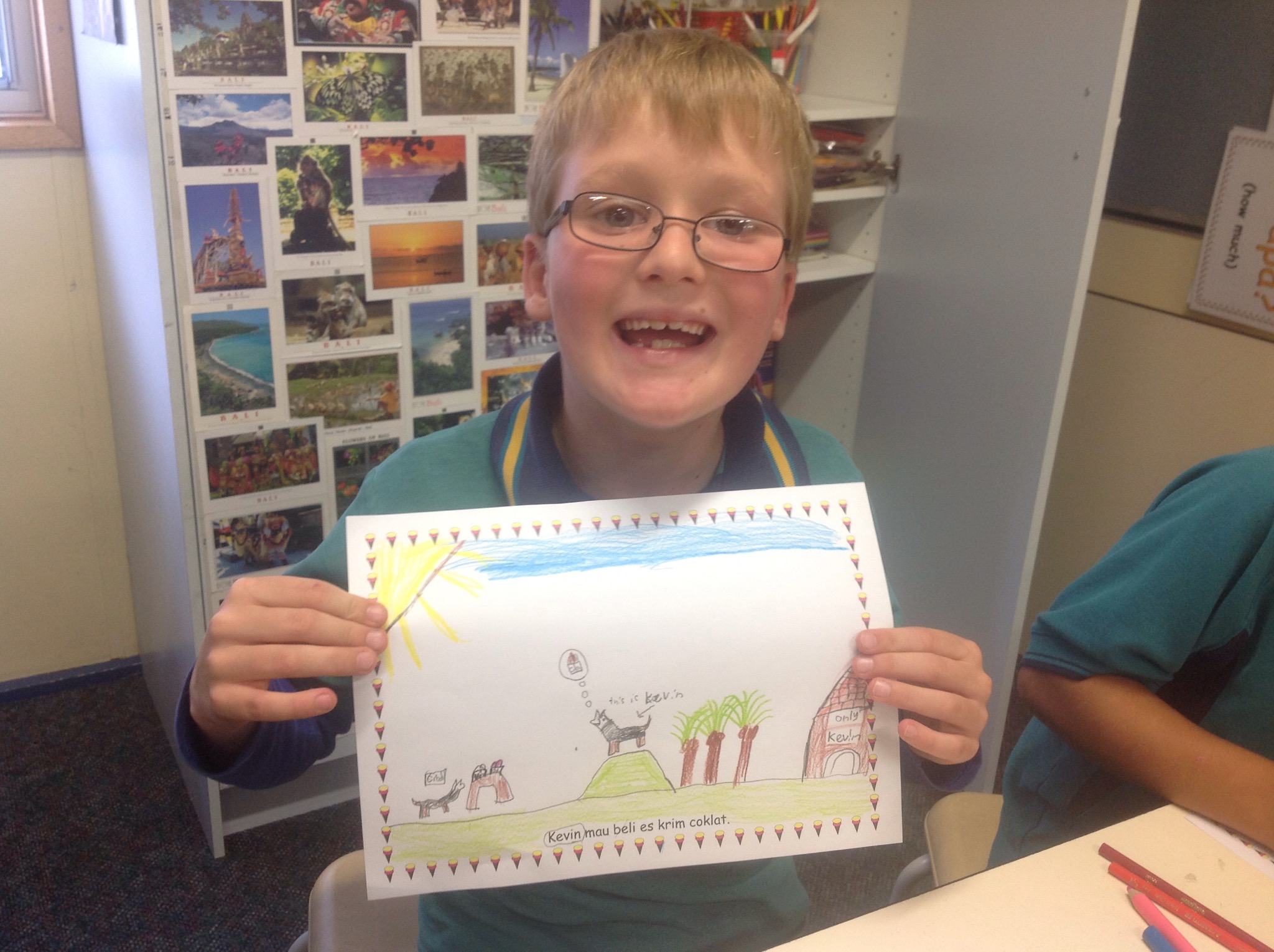
It was a terrific and fun activity which consolidated beautifully our focus these past 4 weeks on this vocabulary. I loved the illustrator job which invariably was awarded to the group member with the weakest literacy skills. The look of relief on their faces when they discovered one of the jobs was, in their minds, not literacy based, was really lovely to see. The language that the students used was fantastic and it was truly a collaborative activity. The discussion about the sentences and illustrations was awesome.

My only beef was that as it was a race, the writing and the illustrations were largely rushed. I would love to repeat this again with no time restraints so that the final product could be turned into books which could then be added to the class library.

Here are a sample:
Spongebob mau makan krabby patty
Spongebob wants to eat krabby patties.

IMG_9835

IMG_9837

IMG_9840

IMG_9839

IMG_9842

IMG_9841

IMG_9843

IMG_9838

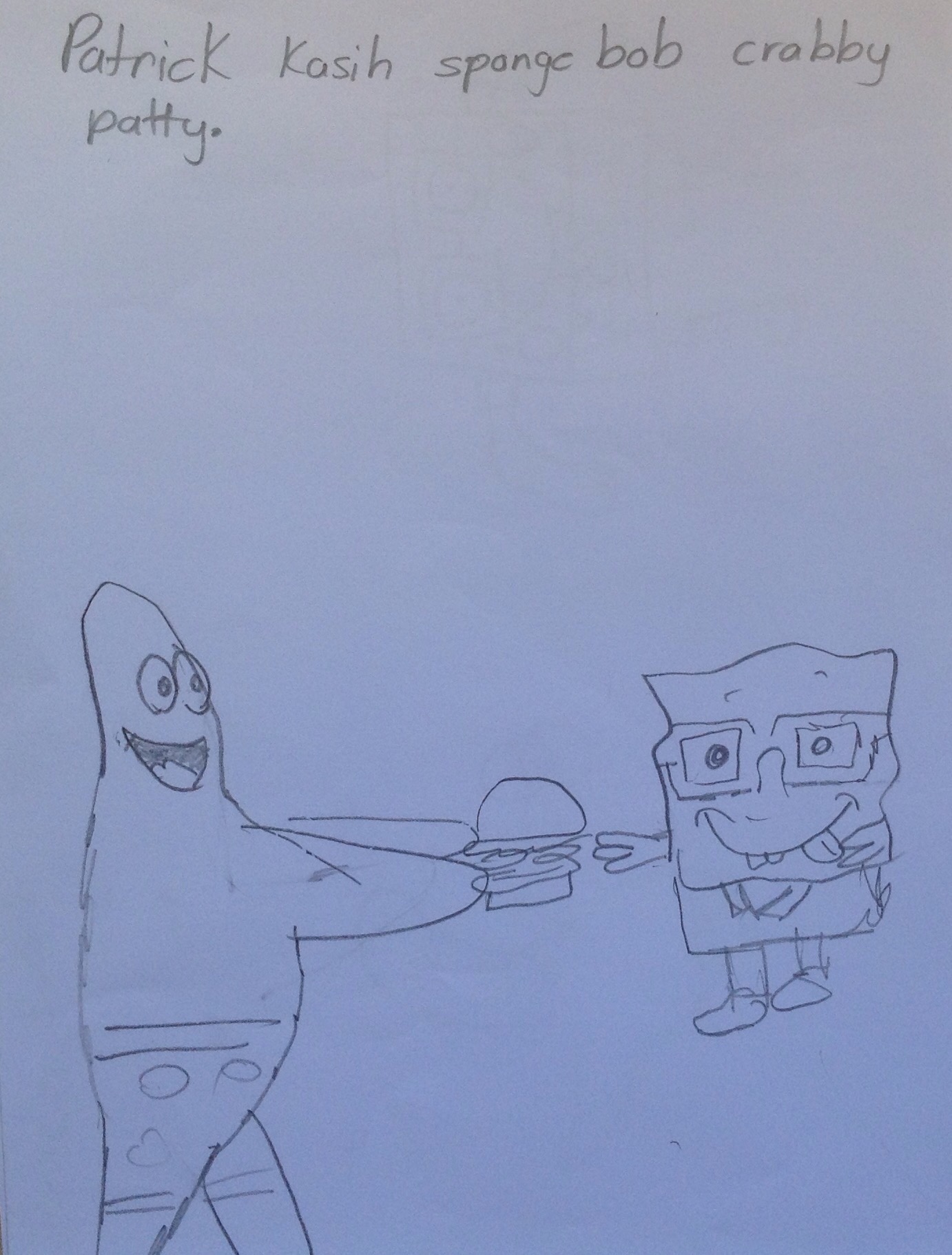
Patrick punya krabby patty
Patrick has krabby patties

IMG_9847

IMG_9844

IMG_9846

IMG_9849

IMG_9850

IMG_9848

IMG_9854

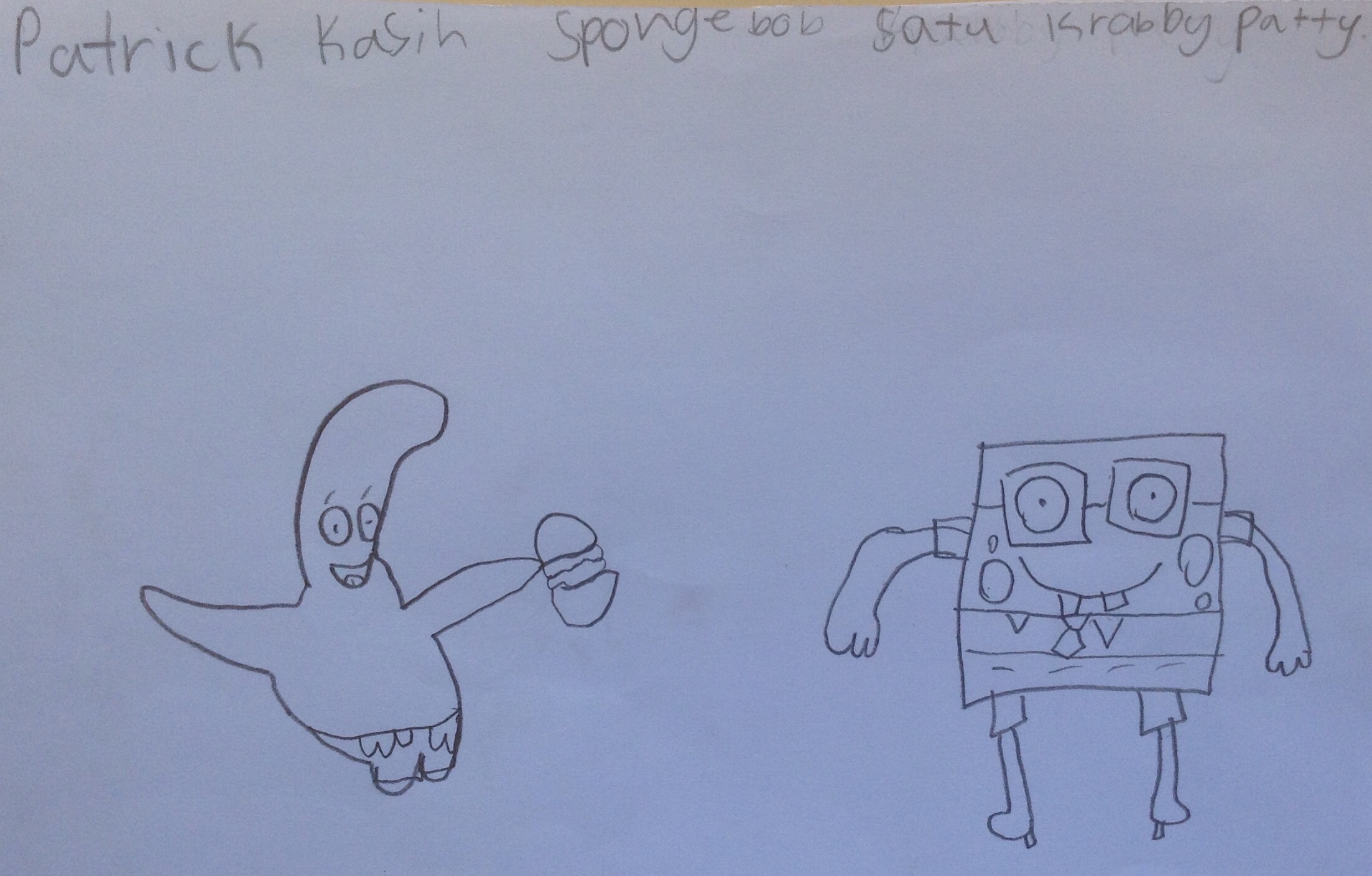
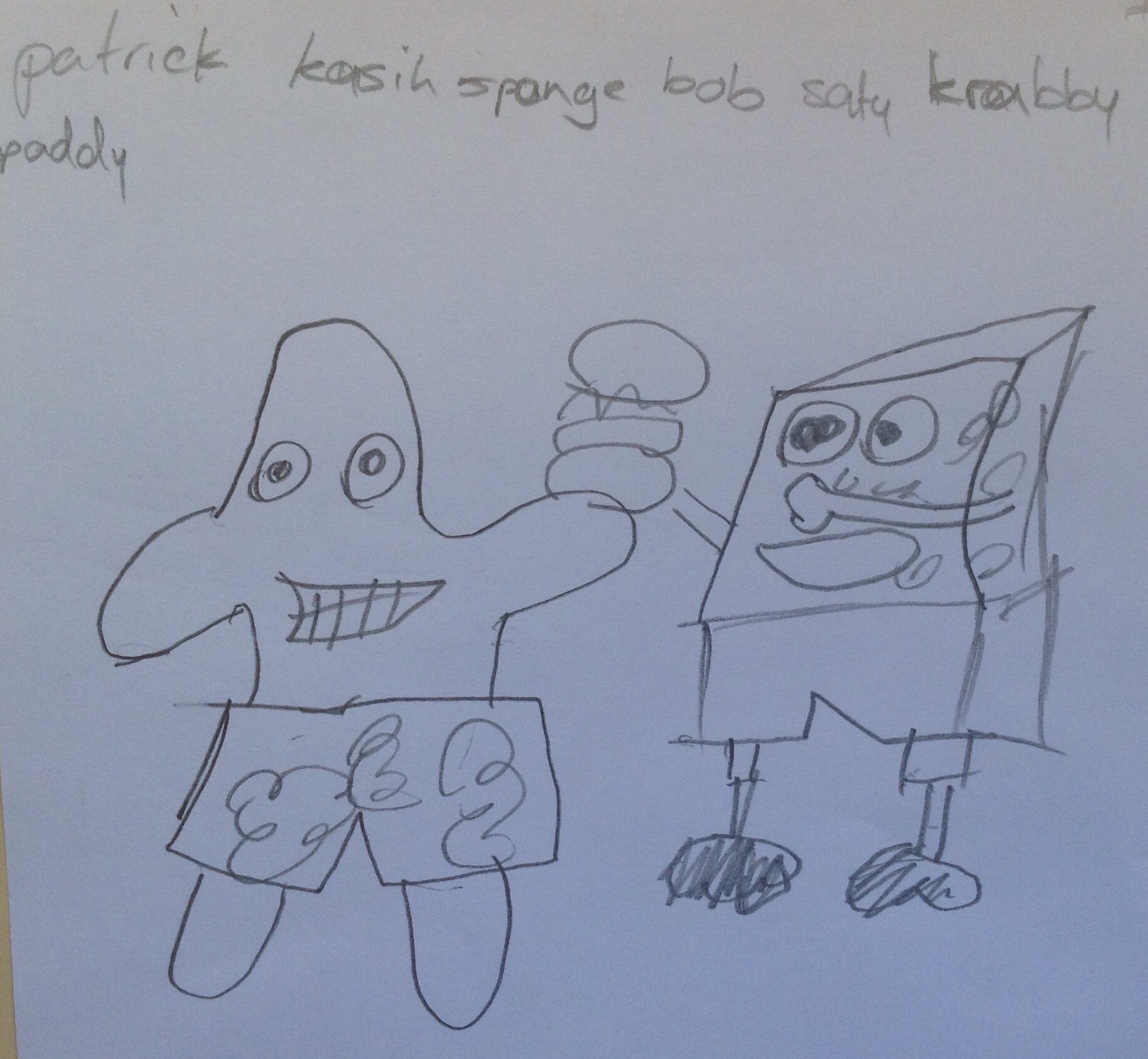
Patrick kasih Spongebob satu krabby patty
Patrick gave Spongebob one krabby patty.

IMG_9856

IMG_9857

IMG_9858

IMG_9855

Spongebob makan satu krabby patty.
Spongebob ate one krabby patty.

IMG_9861

IMG_9862

IMG_9864

IMG_9860

IMG_9859

IMG_9863

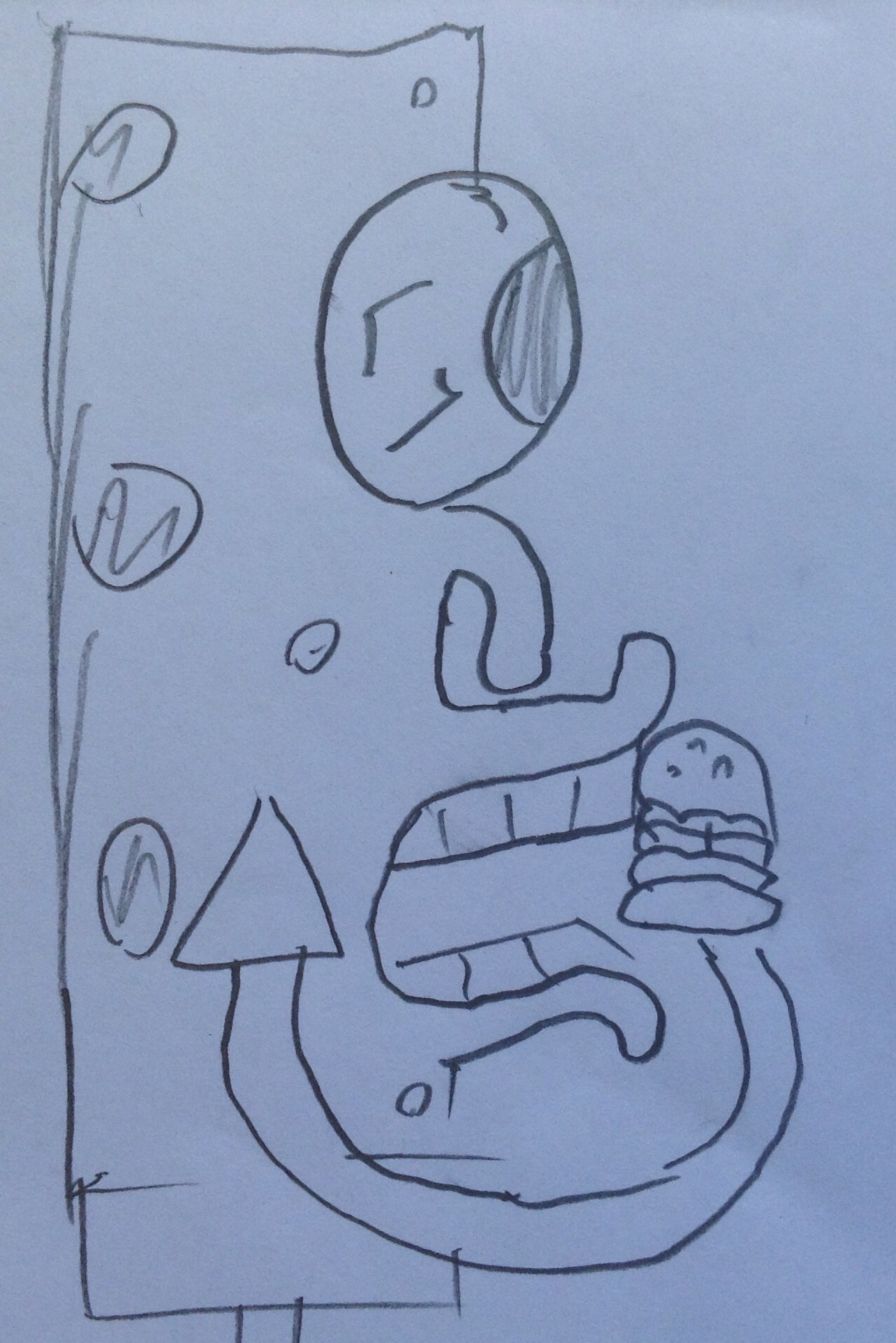
Spongebob kenyang dan senang sekali.
Spongebob is full and very happy.

IMG_9870

IMG_9868

IMG_9865

IMG_9867

IMG_9866

Can you just imagine the possibilities there are for taking this even further using these pictures!! Imagine a smart board notebook file with them all and the class matches the sentences to the illustrations, Putting the pictures into the correct order, Retelling the story, Embellishing the story….. the possibilities are endless…

Staying in the Language

One of emphases of TPRS/TCI is for the whole class, including the teacher, to stay in the TL (Target Language) and in the USA, there is a 90% target! We don’t have any such emphasis in the Australian Curriculum, in fact our curriculum appears to largely expect teachers will teach in English.
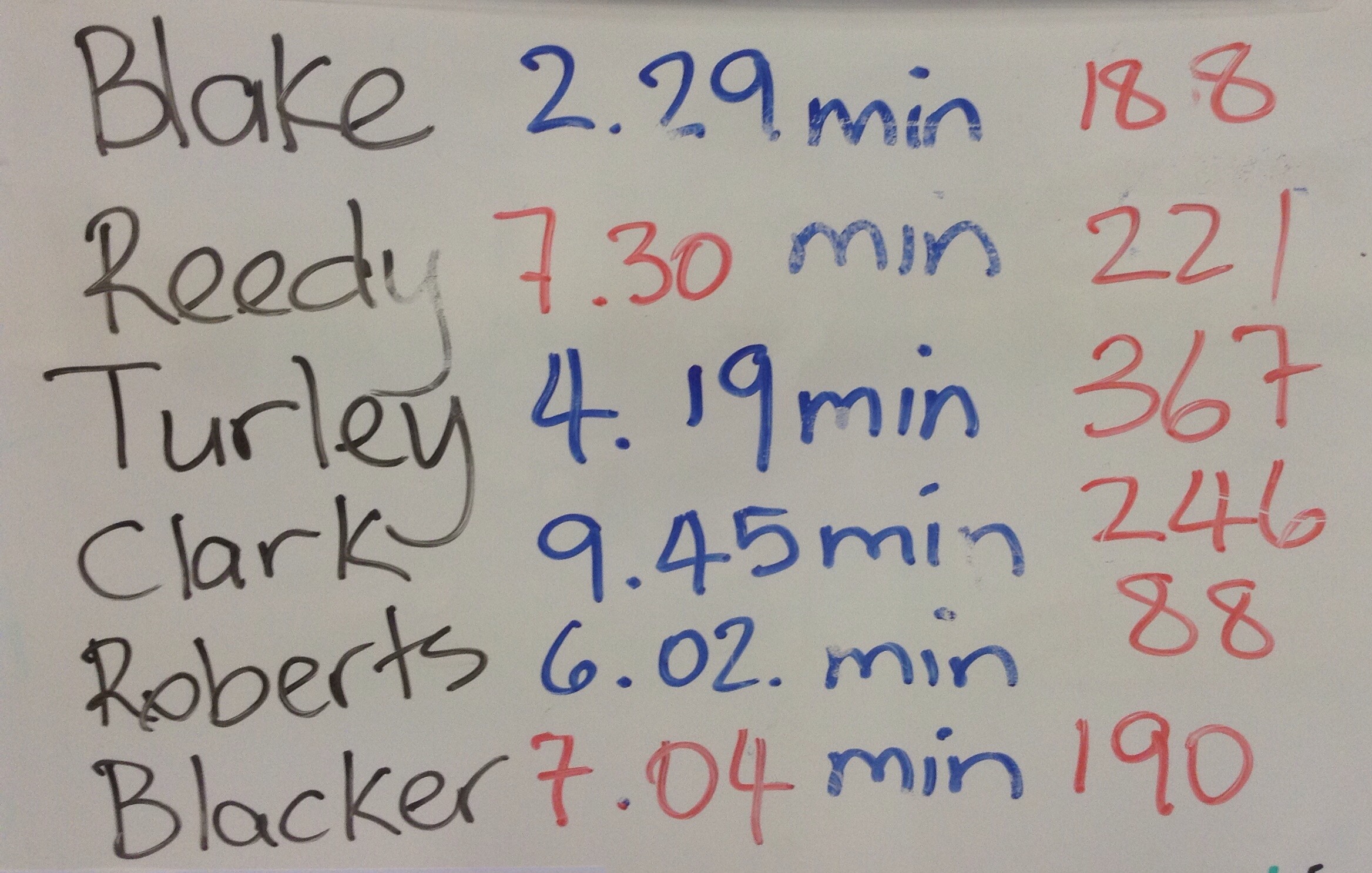
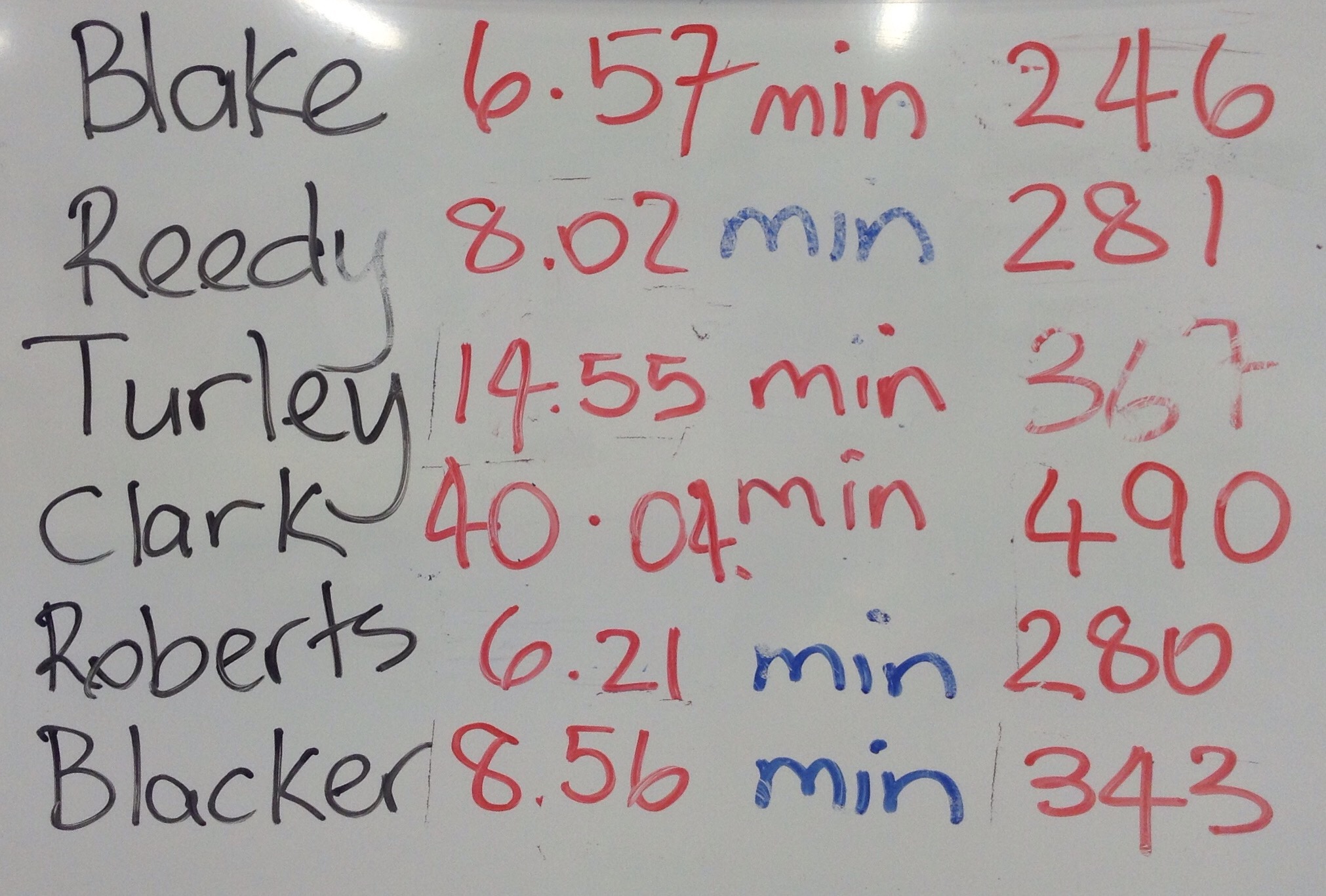
In order to not only record our progress of how many minutes each class stayed in Indonesian in each lesson without blurting (speaking in English) but also to add a level of competition between classes, I introduced the student job of timing just this. A student in most lessons now sits at the back of the room with an ipad, next to the Pembantu Guru, whose job it is to squeeze a plastic pig loudly each time any English is spoken. This is easily the most favourite job we have so far explored! Each time the pig is squeezed, the timer (Penghitung Waktu) stops the timer and records the time. At the end of the lesson, if a new record was achieved, it is added to the board. The second number alongside is the total number of repetitions we get in a lesson of the target structures.
Here is the first photo I took in week 4 with the very first scores:

IMG_9591
And here is week 5:

IMG_9622
Here is week 6:

IMG_9715
And finally last weeks:

IMG_9747The funny thing about this latest shot is that 6/7 Turley came in to class and were determined to beat their score. They agreed it was pathetic that the 6/7 class had the lowest time. They tried and tried and yet someone would blurt out in English after just a few minutes. Finally with 11 minutes to go, they all realised this was their final chance and it was so impressive how they all dug deep to keep a lid on their blurting. It was such an accomplishment for them. The very next class though, was the other 6/7 class. When they walked in and saw that they were the only class yet to beat their initial score, they all decided then and there to not only set a new PB, but to also totally thrash the other 6/7 class. And boy did they ever!! 33 minutes was far in excess of what I was expecting from any class in first term!! I had actually said to classes all I’d really hoped for was 10 minutes!! What made me smile though was that whenever a 6/7 student asked, ‘Boleh saya Bahasa Ingris?” The rest of the class would shout “Tidak boleh!”
So now there is a huge inter class competition between the two year 6/7 classes!! I don’t know who is more challenged by this determination of the two classes to only use Indonesian in class; them or me!! My challenge is that whatever I say has to be 100% comprehensible to each and every student!! No easy feat I can tell you! Today because 6/7 Clark wanted to reach the target of 40 minutes, we went into recess slightly and ensuring comprehension remained, I had to resort to a few quick written translations on the board so that I could continue without blurting myself!! Made me feel a little guilty but it is sooo hard when we have only been using TCI properly for barely 8 weeks!!

IMG_9801

Week One Bridge Program at PEPS

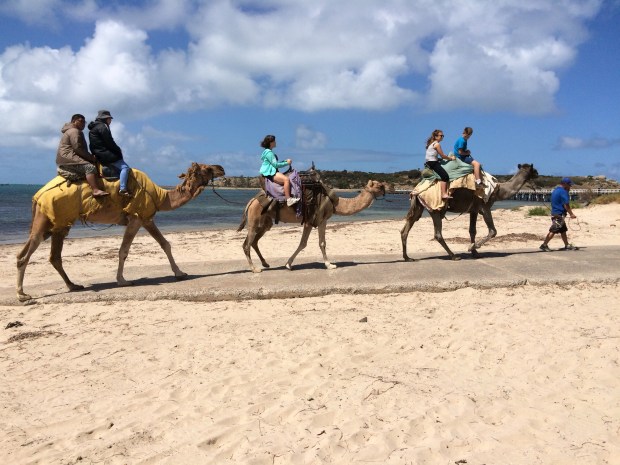
What a week! Our Bridge partners returned home with Marg & I Saturday night and after a good nights sleep, Sunday was spent catching up on washing and looking at a few of our local tourist attractions.

IMG_9725

IMG_9726

IMG_9727 I had hoped to grab some time to program but other than a quick look, it didn’t happen. Thankfully I had done some the week before I left. We all went to bed absolutely exhausted again Sunday night and would’ve preferred having one more day before heading back to school!

On Monday, I decided to teach as per usual to give Pak Pahot & Ibu Eliza the opportunity to observe TCI methodology in the Indonesian classroom. I didn’t say anything beforehand, other than to warn them that I don’t teach Indonesian the way other language teachers in Australia do, as I thought it would be easier to answer any questions afterwards. However, I was disappointed later when there were no questions or comments. I later realised that both Pak Pahot and Ibu Eliza are classroom teachers, not language teachers! After school we discussed the schedule for Tuesday. Both said they had lessons that they’d like to teach. Ibu Eliza had brought a lesson about the 7 presidents and Pak Pahot wanted to teach younger students about 10 native Indonesian fruits. This worked out perfectly with the timetable for Tuesday as the 2 year 6/7 classes were first and the last two lessons were firstly a year 1 class and then a year 2/3 class, so we headed to the SSO room to prepare for our lessons using the PC’s which was easier than getting them onto the school wifi.

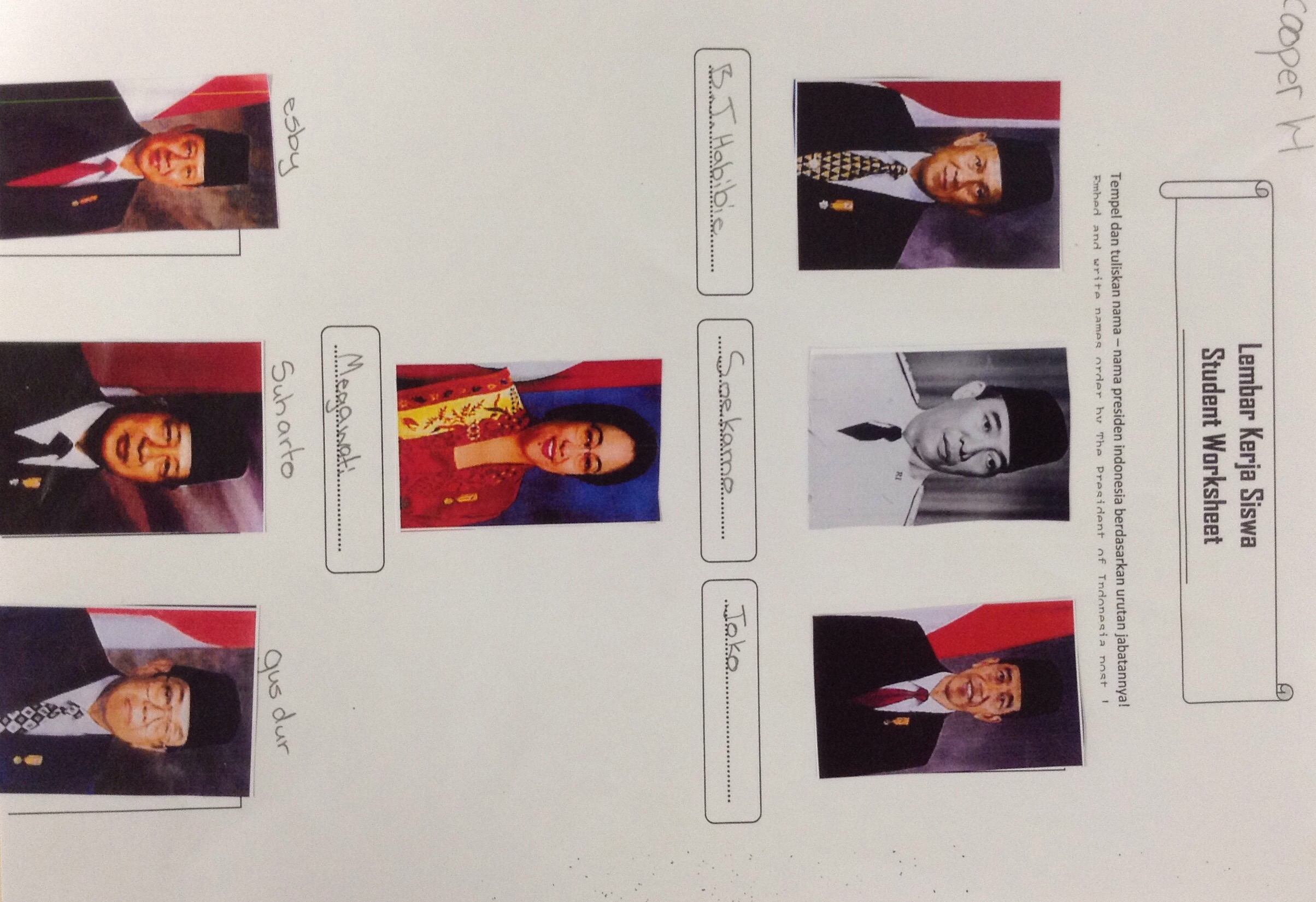
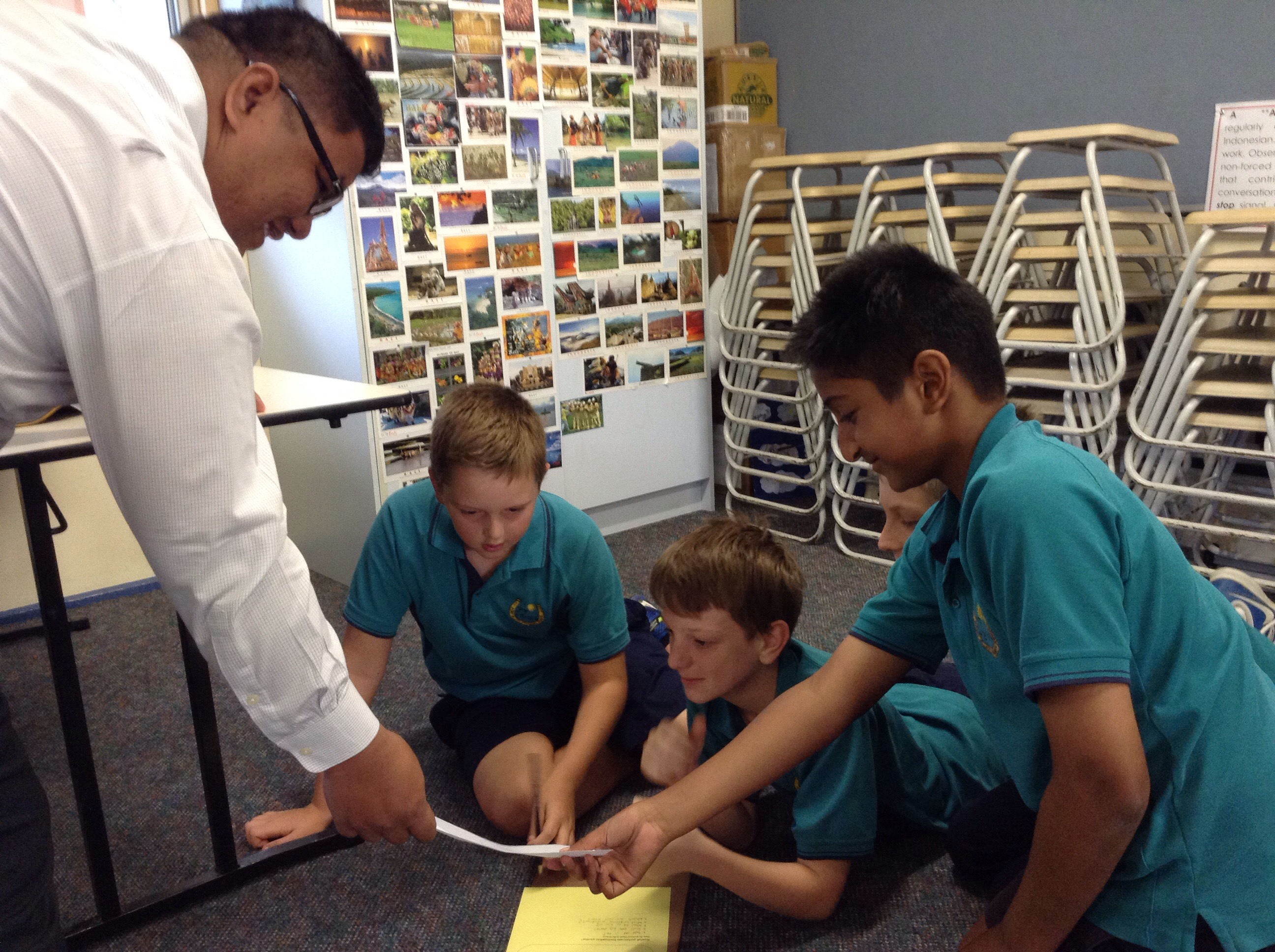
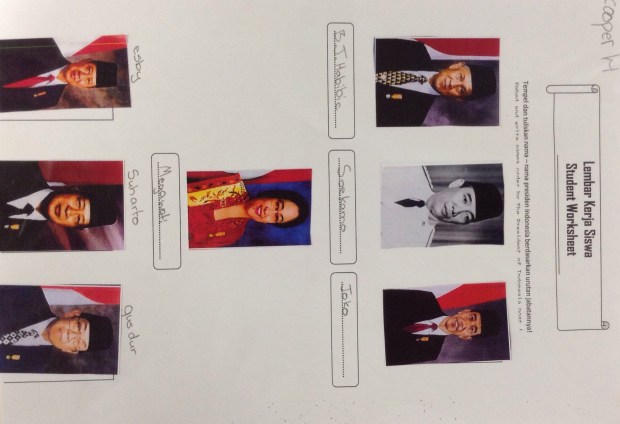
Consequently Tuesday was a lovely day for us all. I supported both teachers for 4 of the 5 lessons I usually teach on Tuesdays with translations and classroom management while students thoroughly enjoyed being taught bilingually. Ibu Eliza’s lesson had several components to it and in retrospect would have been less rushed if we had spread it over 2 lessons, yet because we had so much to get through in 50 minutes, they didn’t have any time to get distracted. Students were divided into 7 groups and then given a page with a small picture of one of Indonesia’s past or present presidents at the top. Under the picture, students had to write down 5 questions they would like to know about that president. The questions written by students were varied and ranged from what is his/her name? to: Was he/she a popular president? Each group then had to choose one of their questions and then they were given a paragraph of information about the president they were focusing on. Students had to read through the information to find the answer to their question. Any other information they discovered was written underneath a picture on another sheet handed out to groups. Had we enough time, Ibu Eliza had hoped that each group could share what they had learned about each president, however we were getting close to the end of the lesson, so we jumped straight into the next step which was to hand out another sheet with 7 boxes and 7 pictures of each of the 7 presidents and have students glue them on in order of presidency writing their names down underneath. By the 2nd lesson, Pak Pahot had simplified this for students by numbering each picture on the back! Students then had to ask each other for names of each president. The students responded well to this lesson and as the students needed to work quickly there was little time for off task behaviours. I did enjoy a quick discussion with one group who had Joko Widodo. They asked me to confirm if he was the current president who supported the death penalty. When I confirmed that it was, they then all had a really great discussion on their own opinions. I was so impressed with their comments and that they didn’t all agree yet respected each others opinions.
IMG_9687

IMG_9686

After recess, in my non contact time, Sandy, the year 3 teacher, Skyped us for a mystery Skype. The original plan had been to do the mystery Skype from Sydney but for many reasons, this didn’t happen. Because the aim of a mystery Skype is to guess the location of the other ‘school’, we couldn’t tell anyone at all where Pak Pahot and Ibu Eliza come from beforehand!! We sat in the Indonesian room while the Year 3’s remained in their room, each with maps of Indonesia in their laps. There first question was, “Do you live in the Northern Hemisphere?” which was a great one as it eliminated so much of Indonesia and didn’t take them long to hone in on Medan! It was lots of fun even though the poor students were confused when I asked them to look at us and in doing so turned their back on us as the webcam was on the PC yet we were projected up onto the smart board!! Sorry guys!!

IMG_9698
The students then asked a few questions including;
What are your houses made from? Cement and bricks
Do you have any pets? Pak Pahot has a dog called Whitefang and Ibu Eliza has fish and chooks.
What do you do in your spare time? Reading and cooking
What musical instruments do you play? Pak Pahot plays the guitar, the organ and angklung
Do you have any children? Pak Pahot has a 9 month old son named MIchael.
Who do you live with? Pak Pahot lives with his wife, his son and 3 younger brothers whereas Ibu Eliza lives with her husband and niece. Sandy has blogged about the Mystery Skype in more detail on her class blog. Read the post here and read what the students wrote about the experience!

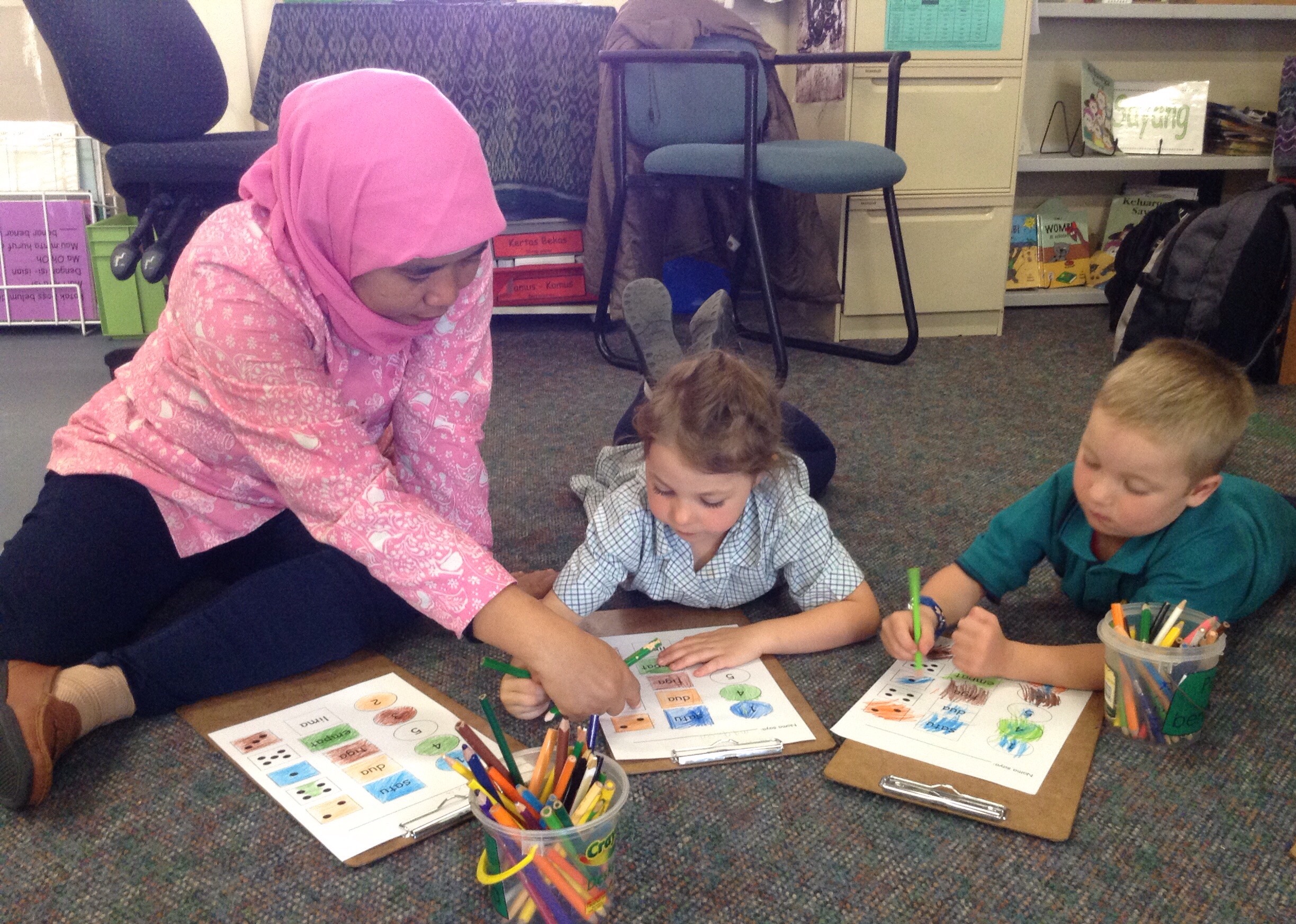
My one and only lesson I taught that day was introducing reception students to the numbers 1-5 and then it was lunch time.
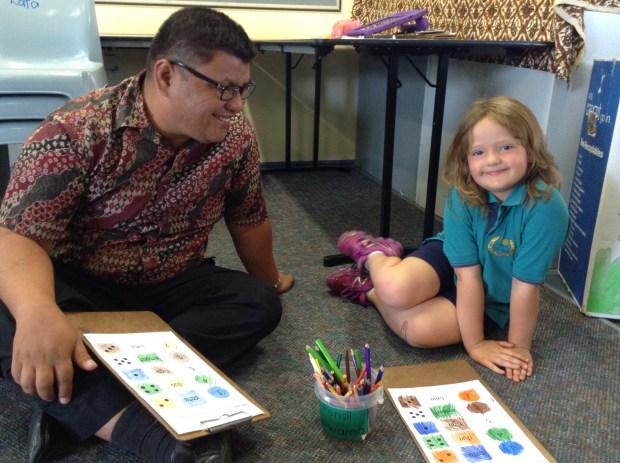
IMG_9678

IMG_9681

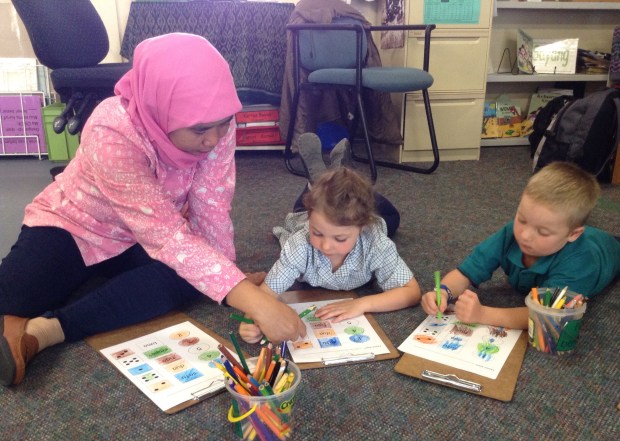
After lunch, Pak Pahot showed a powerpoint he had put together of the 10 fruits he wanted to focus on. He explained that there are over 400 different varieties of fruit in Indonesia and no matter where you are in Indonesia, you will come across a huge selection to enjoy We then looked at the powerpoint and learned what they are called in Indonesian and for many students, we also learned what they are called in English!! Fruits included banana, starfruit, soursop, durian, rambutan and mangosteen. Students then worked in groups to match 5 of the fruits to their Indonesian names using pencils. Each group was then asked to stand up. One student held the sheet while the second student pointed to each of the fruits and the third student said their name in Indonesian. Students were fascinated with the variety of fruit available and surprisingly quite a few have tasted them either here in Australia or on holidays in Indonesia.

IMG_9705

IMG_9706

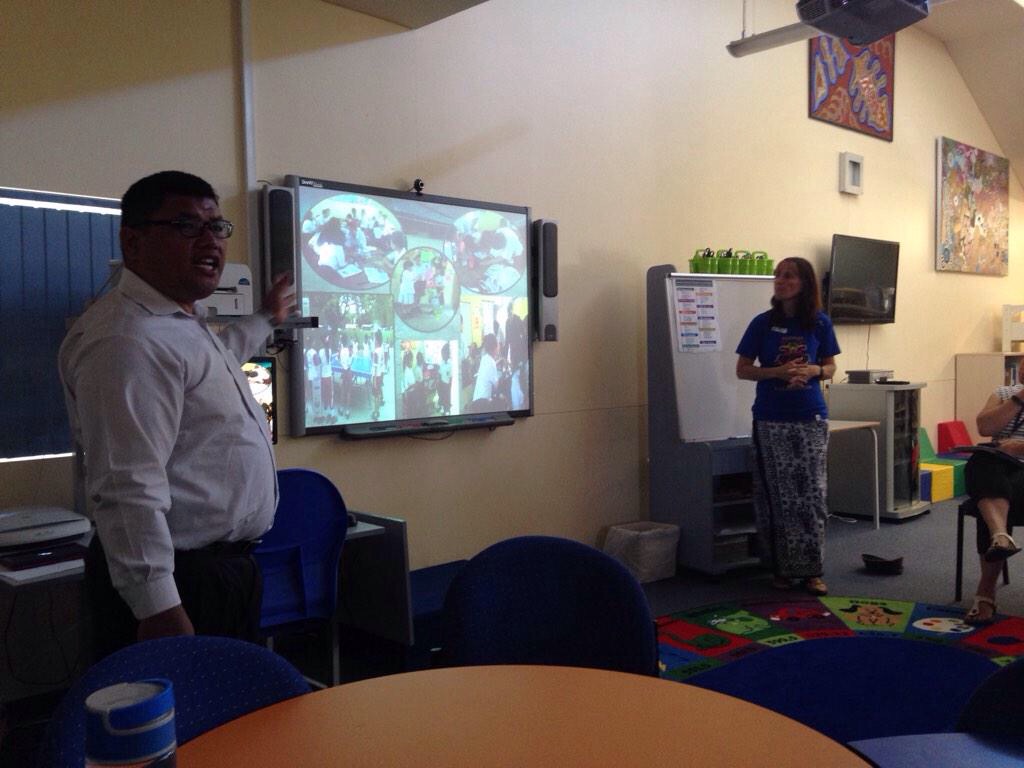
We then had just enough time to fill up our drink bottles before presenting at the staff meeting. I introduced both our visitors, explained about the Bridge Project and then Pak Pahot presented a powerpoint presentation about his school, his students and the various programs running at their school.
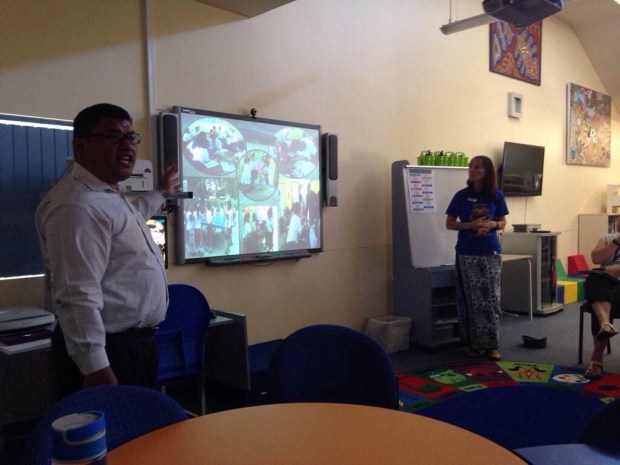
IMG_9723Afterwards there was a brief question and answer opportunity where teachers asked specifics about special education programs, how remedial students are catered for (after school), the school day, etc. I then briefly introduced staff to the AEF website which is an amazing resource for Asia & Australia’s Engagement with Asia. It’s about to be updated too!! I also circulated a timetable for teachers to nominate blocks where Pak Pahot and Ibu Eliza could come in and observe lessons.

The rest of the week was spent by visiting various classrooms which ranged from receptions to year 7’s and covered most subject areas, including PE!! The Sports Day warmup in particular was a huge hit!

IMG_9730The only subject Pak Pahot has yet to observe and is really keen to see is science, so a note in the daybook will hopefully tick that box for him.

Yesterday they spent quite a bit of time with the Year 5/6’s in Mrs Roberts class to work on ‘biodata’ letters for students in Ibu Elizawati’s class. We looked at one of the ones that Ibu Eliza had brought with her which was all in Indonesian and then looked at the various dot points our students would include in their own biodata.
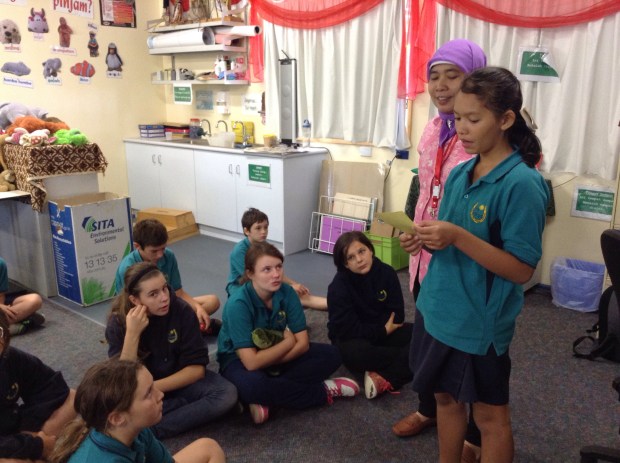
IMG_9714Interestingly, two culturally different aspects arose!! Our students want to add their beloved family pets as they are considered parts of our family and secondly most of the students in the year 5/6 class either don’t have a religion or did not know what religion they are!! What a contrast to Indonesian students!! When I asked Pak Pahot what students could write if they don’t have a religion he was at first confused!! Such a foreign concept for Indonesians!!

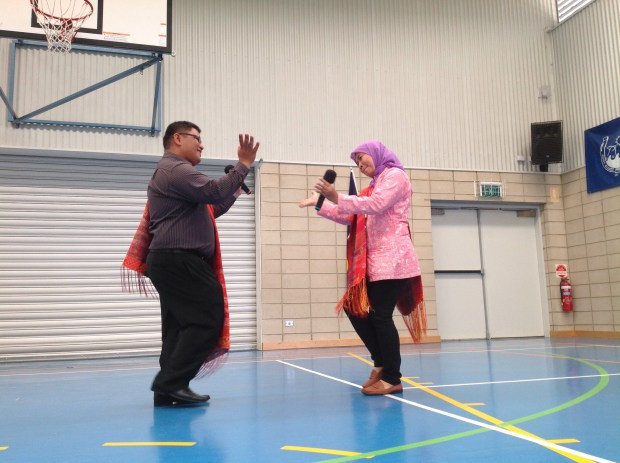
Thursday finished with a whole school assembly which was attended by a large number of parents as it was being run by the year 2/3 class. After welcome to country and the national anthem, Pak Pahot & Bu Eliza had everyone riveted with a Batak song and dance. The applause at the end was incredible and a true indication of how much we all thoroughly enjoyed the performance.

IMG_9732

IMG_9728

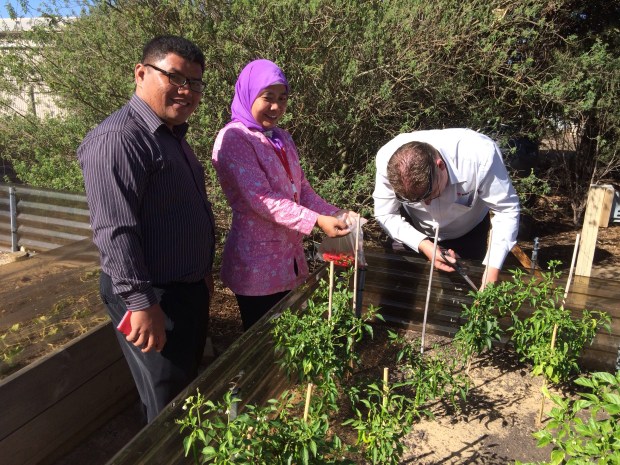
After school we were invited to drop in to Sandy’s house to get a tour of their chili garden. The look on Pak Pahot’s and Ibu Eliza’s face when they realised just how many chili bushes there were was priceless. I too was impressed and particularly enjoyed the delicious sambal Ibu Eliza made to go with our fish that night!
IMG_9717

IMG_9718

As I don’t work Fridays, today we are enjoying a lazy morning and then we will head in just before recess to join Marg and her year 5/6’s for a Skype call to Port Macquarie where the other 2 teachers from Medan are being hosted. The last lesson on the timetable is choir which I doubt wild horses couldn’t keep Pak Pahot from attending!!

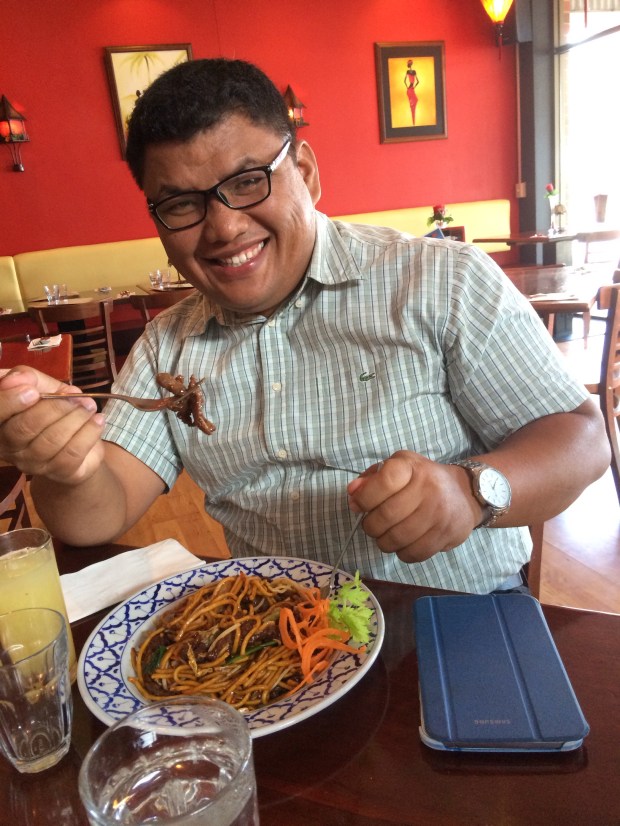
To round off the week, we went out to dinner and Pak Pahot enjoyed tasting kangaroo!
IMG_9722

Our Week In Sydney with The Bridge Project

What an amazing week we’ve just had here in Sydney for the Bridge Project. While we sit at the airport waiting for our flight, doing a last minute catch up with Erin and Mel who are also hosting 2 partner teachers from Medan, I’ll try to give you a brief picture of our full on 4 day training and development.
Marg & I first met our partner teachers, Pak Pahot & Bu Elizawati, in the breakfast queue at the Novatel. Pak Pahot is a year 2 teacher and Bu Elizawati is a year 6 teacher at a school called SDN 025443 Medan Barat which apparently is rated number 1 in Medan. Of the 400 odd students who apply to enrol each year, only 100 are selected!

IMG_9638-0

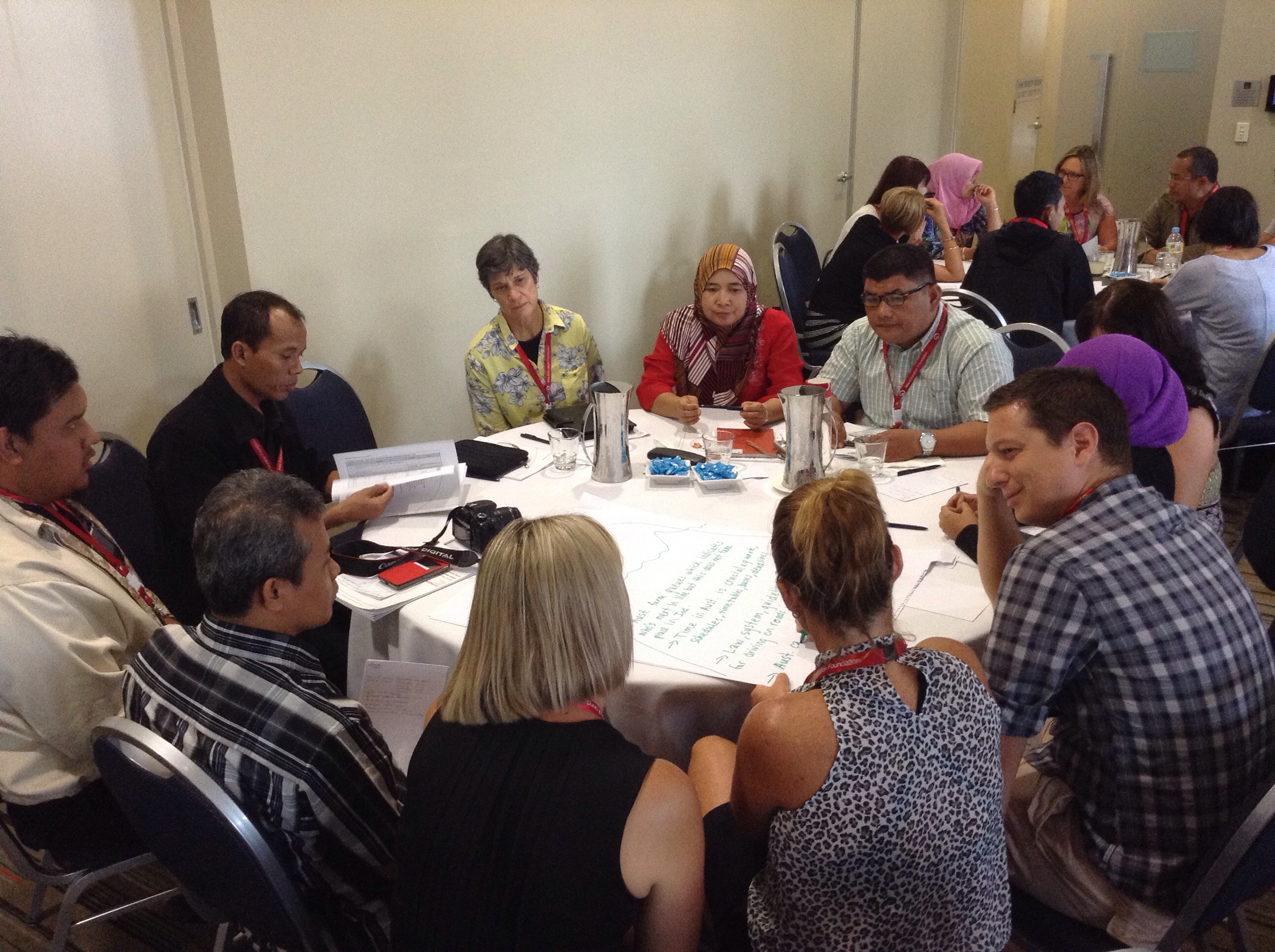
Over the past 4 days there has been a strong emphasis on collaboration, planning and communication. Presenters recommended a variety of ways in which we can achieve all 3 successfully with our partner schools and time was provided to not only make a start on them but also so that we could familiarise each other with our school calendars, so that any planned projects avoid school holidays, religious festivals and national exams.

IMG_9639We also spent time discussing cultural differences. Our partner teachers have already noticed differences with punctuality, environmental pride, traffic and the differences between Indonesia and Australia with the use of right hands to pass items.

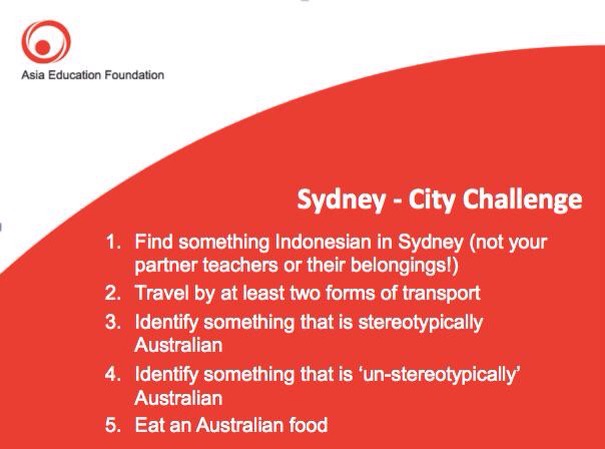
Thursday afternoon, we were given a challenge:

IMG_9675This was a brilliant and fun way for all of us to explore Sydney. The resulting photos on Twitter were varied and the shared experiences were vast. Check out #bridgeproject!!

IMG_9648

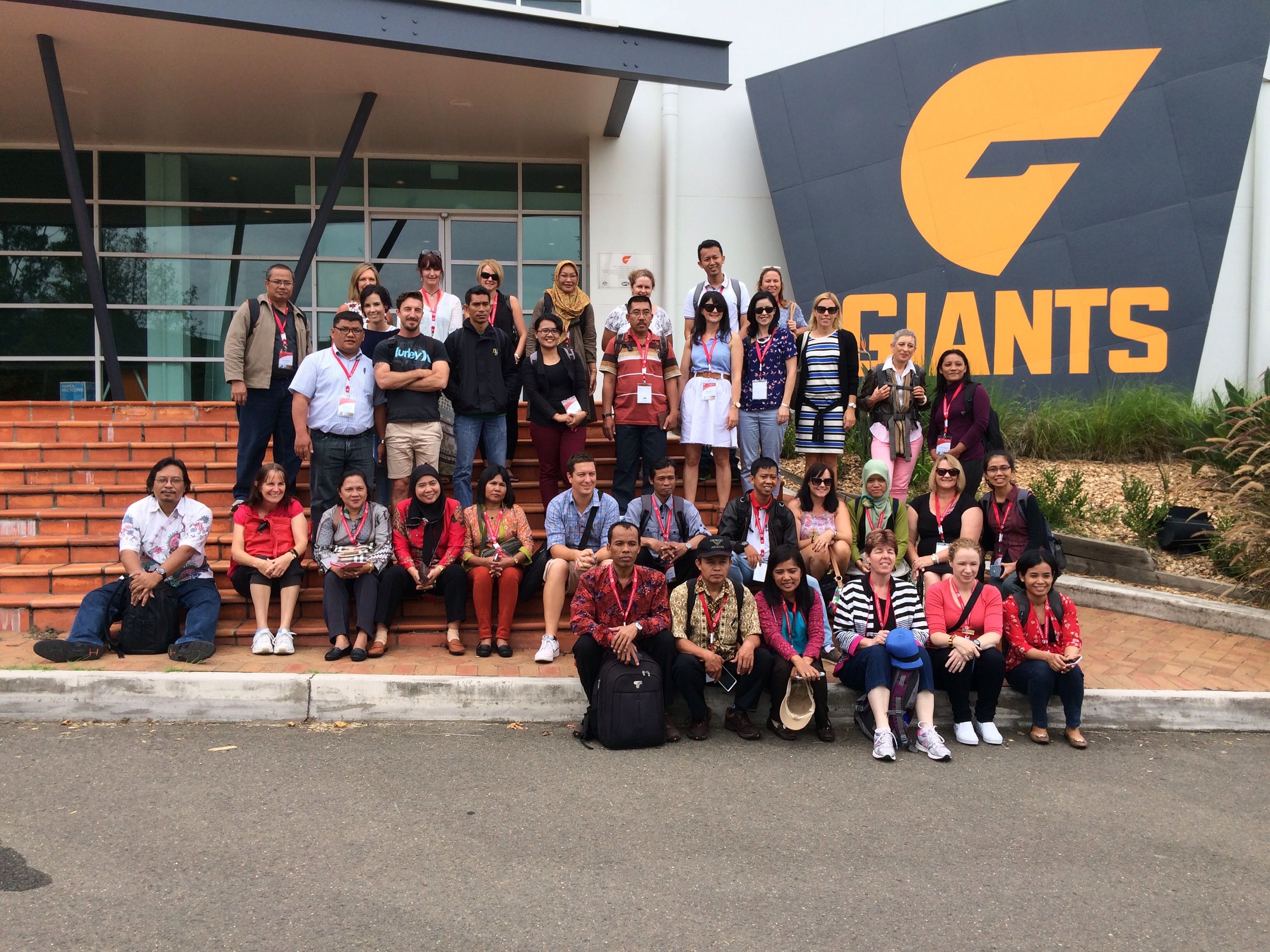
Another fun outing was lunch at the local Giants stadium.

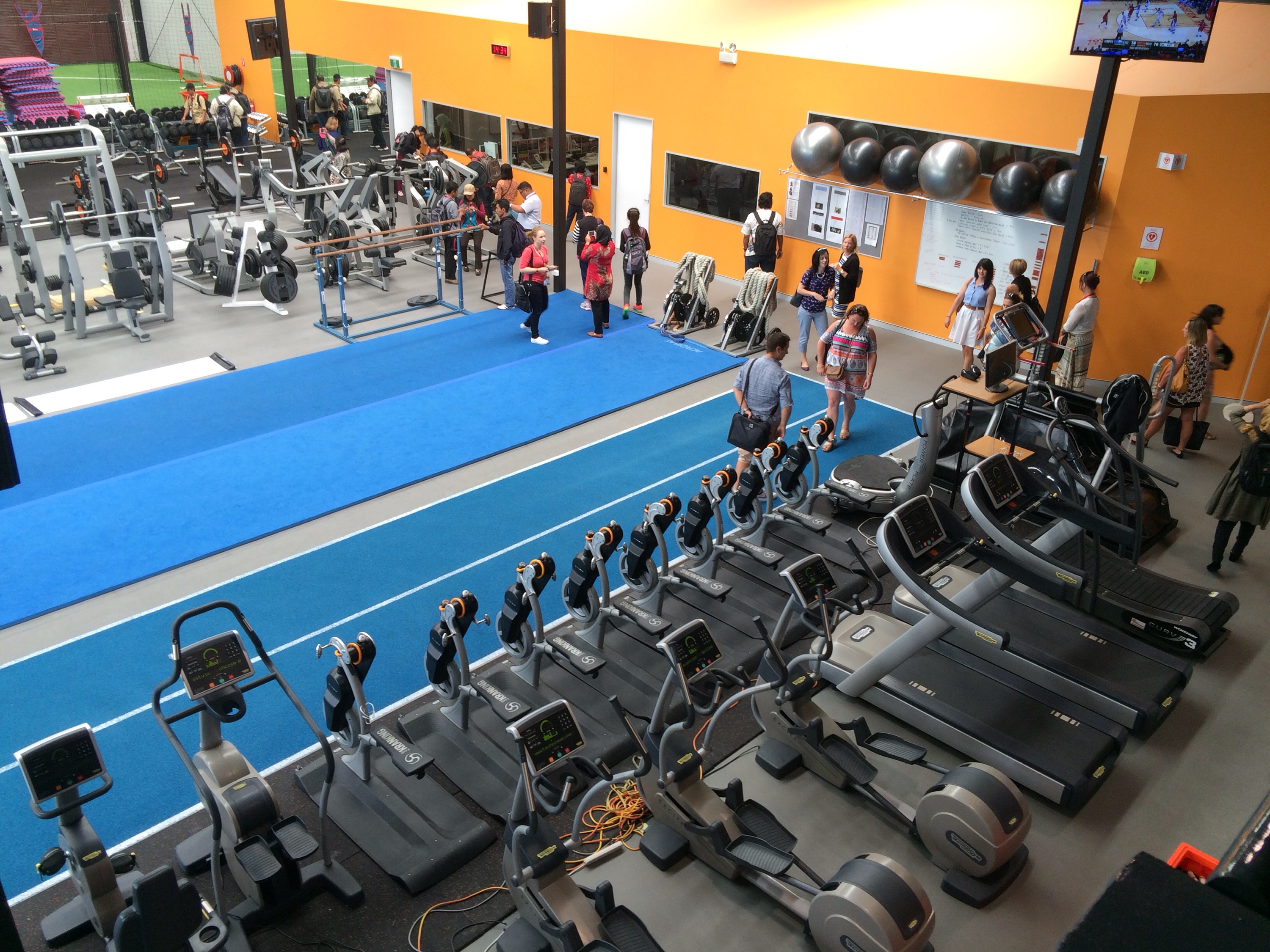
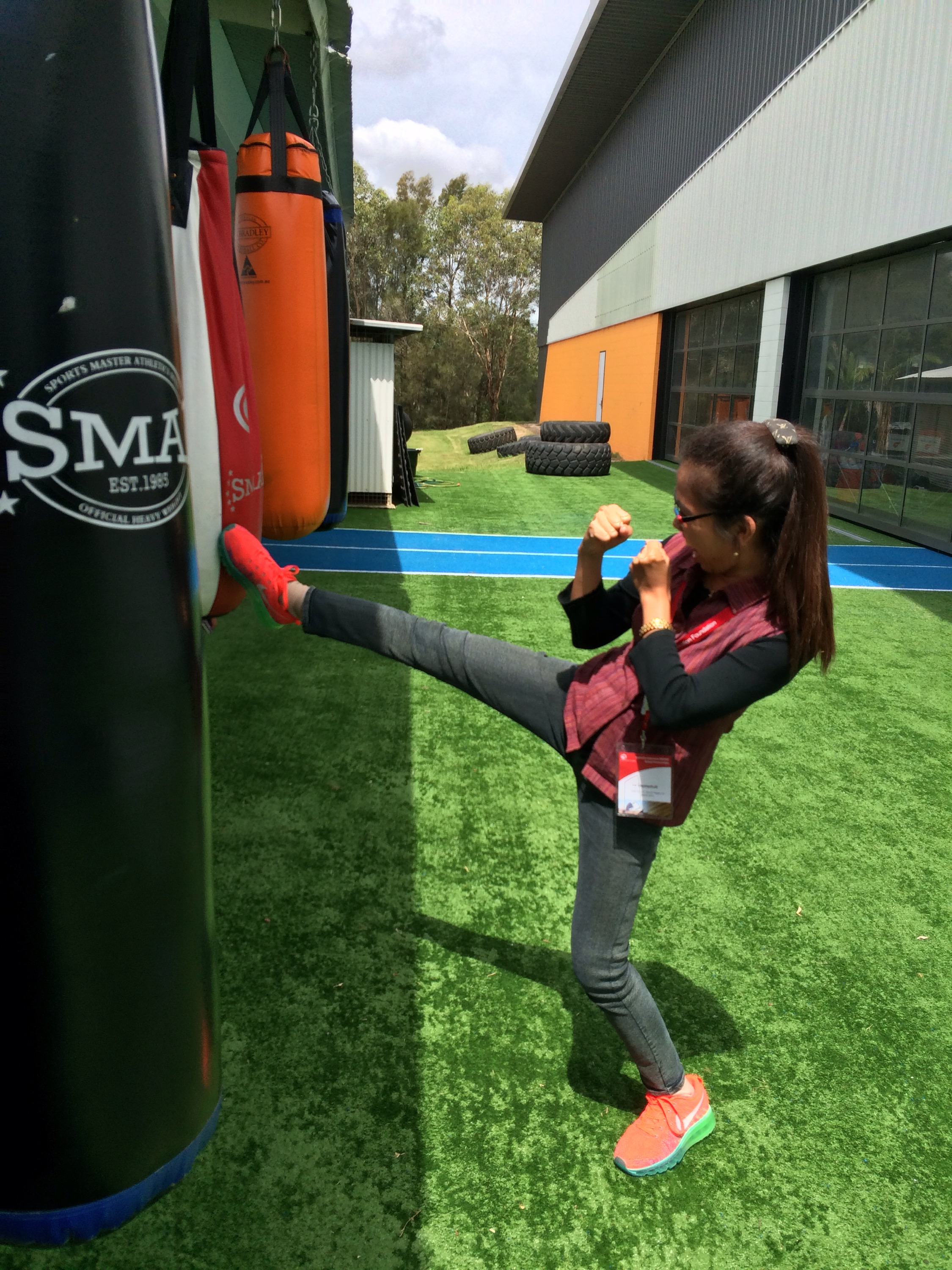
IMG_9662After lunch, 2 of the stalwarts (proud muslims) explained about the various programs they run which target disengaged youth and promote education. Very impressive. Afterwards, we enjoyed a tour through the facilities:

IMG_9664

IMG_9666

IMG_9667

Presenters over the 4 days included Mike Bartlett & Danielle Leggo, education officers from from Sydney Olympic Park (SOP). The program they run there is truly amazing and caters towards both local and distance students. It largely focuses on sport, agriculture & sustainability and can be accessed either face to face or by video conferencing. Thirty thousand students annually access the ranger led Australian curriculum aligned activities learning about the local wetlands and other local habitats and there is also an online Koori classroom! One great suggestion from Michael was to set up a collaborative project to study the migratory birds that fly from Siberia to Australia, transiting Indonesia! For further information about SOP, regardless where you are globally, check out their website and youtube channel. They are currently searching for non Australian classrooms interested in an international 2015 netball challenge.

Joedy Wallis from AEF, divided the group so that the Australian teachers and the Indonesian teachers could each focus on their own curriculums to identify areas compatible for collaboration as well as identifying goals and outcomes for student learning. She pointed out the areas of the curriculum covered by the bridge project include:
literacy
numeracy
ict capability
critical and creative thinking
personal and social capability
ethical understanding
ICL (Intercultural Understanding)
which together create successful learners, confident and creative individuals and active informed citizens.
Joedy outlined some history behind the inclusion of the ‘Asia and Australia’s Engagement with Asia’ priority in the new Australian curriculum. The global shift which has lead to policy changes and the Melbourne Declaration, first signed in 2008 (changes advocated by AEF) provided the impetuous behind our Bridge partnership meeting this week. This promotes student acquisition of 21st century skills. all beneficial for Australia; socially, culturally and economically.

IMG_9645
Joedy promoted twitter to all, encouraging all teachers to sign up and discover just how amazing it is for professional learning and sharing. She also promoted the AEF website (which is currently undergoing a huge update to become even bigger and better), the AEF newsletter and #AEFchat on twitter (details on the website) which currently run monthly but will happen more frequently if the number of teachers on twitter increases.

Julie Lindsay from Flat Connections presented on Thursday for 2/3 of our day focusing on the challenges connected with our partnership schools beyond face to face and how to sustain global connections and collaborations. She raised an important point about the need for deep global learning and the importance of constructing a legacy. Encouraging teachers to think deeply and creatively so that whatever project our students create, it will be their legacy.
Julie suggested a variety of online tools through which this could be achieved:
1. Ning.com (not free) which is a multimedia networking tool was recommended highly by Julie for asynchronis communication if both schools can not be online at the same time.
2. voicethread.com – highly recommended. students can record their voices along a given video/photo
3. Wikispacess – where students and teachers can collaborate on projects
4. blackboard collaborate – students present for 1-2 minutes about their learning to an international audience.
5. globalyouthdebates.com asynchronous global debates between classrooms
6. wevideo
7. Animoto
8. Edmodo – private; great tool for creating discussions)
9. Hangouts
10. Skype
11. Padlet – a private forum for groups to share

Before any actual planning, it is critical all teachers agree on a cyber safety policy and have in place an agreement to monitor all students.
Projects could be based on a range of activities:
interpersonal
research (joint?)
problem solving – kerja sama tentang kebanjiran?? find something in common and explore issues!! eg rivers, sea,
artifact and co-creating (eg making video alone or by collaborating with partner students)
connect
communicate
collaborate
create

Most of the suggested project ideas would be entirely undertaken in English which would create opportunities for deep ICL for classroom teachers. Julie suggested students take the learning home (al la flipped classroom style although she didn’t name it!) which gave me the idea of tasking students to record themselves teaching their parents ‘siapa nama’ & ‘nama saya”. Could create a funny yet educations video about specific target language!
Other flipped ideas that arose over the 4 days included a flat Stanley project whereby students make a puppet of themselves and then send it to their partner school who then takes it with them in their every day life photographing everything and creating a journal which is then returned to their partner school either digitally or by snail mail. Another idea I really love which would be perfect for a look and discuss activity is called, A View From Your Window. Tasking students to take a photo from a window at home and then writing a caption about it.
Julie’s presentation was chocker block full of suggestions with little time to fully explore and trouble shoot. Most teachers felt totally overwhelmed and this confirmed for me just how fortunate we are at PEPS to not only have had a ICT Coordinator for the past 3 years but to have someone of Kathy’s high expertise and dedication in the position. Teachers were also concerned about poor tech support on return to their schools, which again for Marg & I, is rarely an issue!! Our highly capable tech team of Darryn & Kathy is second to none! What they don’t know isn’t worth knowing!! One principal told us about a class set of computers still in boxes at their school because they only get 2 hours of tech support per week!!
The second part of Julie’s time with us was task based. We had to create a digital story with our partner teachers. I quickly wrote a script which I then typed up in Pages and emailed to Marg, Pak Pahot & Bu Eliza. Using Puppet Pals, we quickly made a film entirely in Indonesian about the transport we used in Sydney yesterday which Pak spiced up with some evil laughs!! We uploaded it to Youtube and then pasted the link on the Bridge Padlet to share with everyone.

IMG_9674

Pak Donny, the Indonesian translator and coordinator, constantly stressed in his translations, that the partnership is all about our students and should benefit them not the teachers and that all projects must keep that in mind! There was also a huge push to encourage Indonesian teachers to review their learning style (methodology) so as to adopt more western aspects. I can see that encouraging students to ask questions, to be more confident in exchanging opinions has benefits but it is a huge cultural shift and with it comes other aspects of western culture. Other factors which must be considered is that class sizes at our partner school are enormous. Classes range from 34 to 46, Class rooms too are not large and school furniture is also not conducive to more ‘creative’ styles of learning. I can see benefits in encouraging a methodology shift but would like to explore ways in which it can be done that are more sympathetic culturally. It makes me feel like a missionary rather than an educator.
It had been an amazing week, meeting teachers from almost every state. We have swapped email addresses and Skype handles as well as following each other on twitter so that we can keep in contact and help each other with any upcoming challenges this year as well as sharing our successes. Marg in particular was brilliant with this. She has already arranged a Skype call with Mel & Erin this coming Friday!! Another teacher has offered to set up a Facebook page for us all and Aaron will create another Padlet too. The September study tour will be a reunion for those of us who sign up for it!

Goodbye Sydney!

IMG_9673Thank You so much to everyone involved for such a memorable week and in particular to Pak Aaron, Ibu Bonnie & Pak Donni.

My First TCI Coaching Lesson Over Skype

Online TPRS/TCI blogs and websites are largely written by and for secondary teachers, so it has been brilliant discovering a forum on Ben Slavic’s website specifically for ‘elementary’ teachers. One of the contributors to this forum is Catharina, an early childhood French teacher who lives and teaches in the USA. Her knowledge and experience of teaching with comprehensible input (TCI) is impressive and I am truly fortunate that she is so willing to share and inspire particularly those of us just beginning our journey. My comments or questions about her posts are received so warmly and with each question/comment, I was further encouraged to ask again! Catharina is a guru in every sense of the word.

Shortly after my initial requests for further clarification on points that Catharina had raised on various threads, Ben asked everyone for details about the training members have had access to, I outlined how my training is limited to online blogs, his website and the moretprs listserve. This lead to the acknowledgement that those of us in countries where there is no training available are extremely isolated and disadvantaged. Those who have attended any TCI training speak highly of both the training and the presenters and most consider it absolutely essential to understanding the finer details of this pedagogy. Consequently I had been seriously wondering how I could get to the States for one of the major conferences. This is still a pipe dream but so far, it remains just that! One day…..

Taking up this point, Ben asked Catharina & myself if we’d be interested in trialling the concept of 1:1 online coaching! This would involve us each giving demonstrations of our lessons to each other as well as learning from any following discussions. Thus I would experience a TCI lesson given by a highly experienced practitioner of a language I do not speak as well as having the opportunity to demonstrate my understanding of TCI so far to gain valuable feedback on both the content and delivery of my lesson incorporating advice on how it could be improved. While the idea of demonstrating my embarrassingly basic grasp of TCI was nerve wracking, I was thrilled that Catharina happily agreed to be my coach and so it was with pleasure I also agreed to be involved.

The initial discussion happened just before Christmas; a short break for teachers in American schools but part of the larger summer break for Australian teachers. Once Catharina was ready, she emailed me and we arranged an initial Skype video call just to meet each other. This was brilliant. We were able to see each other for the first time and put a face to the online name!! We chatted about aspects of our teaching situations which will impact on our lessons, eg. class sizes, year levels, student ages, etc., Whereas I teach all the primary grades, Catharina teaches what we term, junior primary. My junior primary students have one weekly 50 minute lesson, whereas Catharina’s students have 2 weekly 30 minute lessons. We arranged the time & date for our initial coaching session in which I would teach my initial JP lesson to Catharina for the following day; 5:00pm Wednesday (USA) & 9:00am Thursday (Australia).

This initial contact has been so exciting. With the Australian school year just about to begin, 3 of us local primary Indonesian teachers (all equally keen to learn the skills of TCI) have been meeting weekly to share and plan for this. We are all at different stages of Ben’s book Stepping Stones to Stories thus each with different sections foremost in our memories! We all agree that our junior primary lessons are the ones that will be the most challenging and consequently have spent the majority of our meetings focused on this. We initially agreed to focus our very first lesson on ‘suka’ (likes) because we all love the circling with balls (CWB) lesson that Ben outlined in his book. However, later while mulling over this idea, I returned to Catharina’s post on Ben’s website about where to start with junior primary. Catharina firmly believes that it is best to begin with vocabulary useful for classroom organisation and instructions. As this is the part of the lesson I have the greatest difficulty staying in Indonesian and is language that is repeated in each and every lesson, I can truly appreciate the wisdom of this. So I wrote out a detailed lesson plan for “nama saya” (My name is) as an alternative and also to start thinking about the nuts and bolts of this lesson. My thinking behind this change was twofold. Firstly, I will need to introduce myself to the new receptions, who unless they have older siblings at the school, will find my name (Bu Cathy) unusual by comparison with other female school staff who mostly use “Mrs/Ms”. “Nama saya” is also a phrase which will come up frequently in future stories.

So, in our first Skype coaching session, I taught this lesson (very woodenly, I confess) to Catharina who willingly responded when required. During my delivery, Catharina checked for pronunciation (speech was slightly distorted in transmission) which allowed me to slow down and find my place in my lesson plan. While I felt like a total goose, presenting a lesson to an adult instead of a room full of active 5, 6 or 7 year olds, it highlighted for me just how overwhelmed past reception students must have been in their initial lesson where so much vocabulary was introduced quickly in an unfamiliar classroom by an unfamiliar teacher. All students at my school attend 3 specialist classes, so the first week must be quite intimidating for them meeting 4 new teachers with their 4 totally different subject areas (PE, Performing Arts, Geography & Indonesian) and teaching styles! . Another realisation also hit me. I am used to junior primary students sitting and listening passively during lessons; participating only when they are invited to e.g. during songs or when asked to echo. Catharina though, participated fully in my lesson; stopping me when I went too fast, when I went out of bounds or when my speech was unclear. I found this both unnerving and exhilarating! A weird combination! Unnerving because it was so alien and exhilarating because I love the idea of students having the confidence to stop me when I am going too fast so that they don’t become overwhelmed.

After the lesson, Catharina kindly complimented me and then proceeded to read through her notes. Her feedback was encouraging, practical and genuine. I took copious notes and later rewrote the lesson plan thoroughly incorporating them all. Her ideas were all brilliant (who’s surprised about that?) and demonstrated her deep understanding and vast experience. The advice that came through loud and strong was that I need to incorporate many more repetitions of ‘nama saya’ into the lesson. Ideas she gave me on achieving this included:
1. clapping – clap hands twice and then thighs twice while saying nama saya (insert name of student in class)
2. when introducing monyet (my cuddly offsider), instead of introducing him outright, make a game of it. E.g. nama saya Big Bird? Nama saya Elmo? Nama saya Biu Cathy?
3. Have pictures of celebrities, staff and students and hold them up asking, Nama saya Billy? Nama saya Bu _______ (their teachers name).
4. A great adaption of one of Jim Tripp’s stories called, “Pleased To Meet You.” 2 people meet. The first (a celebrity well known to students) says; Nama saya Lady Gaga. Siapa nama? The second says: Nama saya Billy. The celebrity then says with an amazed voice: Billy? Billy from (dari) ________________ (insert town/suburb or school)? Astaga!! (OMG) autograph?? (holding out their hand & miming holding a pen) then faints!

Other suggestions Catharina shared include:
1. including yes/no in this lesson while simultaneously getting more nama saya reps by using the pictures (of staff, students etc,) again. They are all handed out to students and then ask a question about each one; nama sama Lady Gaga? If yes, it is put in the ya pile and if no put in the bukan pile. (As I am focusing on names initially, we decided it was best to start with bukan rather than tidak) Catharina also suggested using the Indonesian flag – with the colours of red and white for the ya and bukan pile.
2. watching the circling with names youtube video by Dianne Neubauer which not only demonstrates a beautiful introduction for students to their first ever language lesson but also a explanation circling with the vocabulary similar to that which I used.
3. keeping activities limited to 5 minute chunks to ensure the very young students (receptions) stay engaged and focused.
4. When singing the song, stretch out each of the words.
5. Start the next lesson with learning ‘Dimana’ and make that the first question word to focus upon. Do this by pretending that monyet is missing. Make it playful and visual. Look in cupboards, behind curtains, under chairs etc constantly asking, “Dimana monyet?” Then when he is found, scold him, growl at him and make it as entertaining as possible!
6. Constantly check that students understand. A good way is asking: bukan means what?
7. Ask students to translate what the teacher says. The teacher says a sentence/phrase in Indonesian and the students choral answer the translation.
8. Have 3 small colourful boxes with lids. Put a 1 on one, a 2 on another and a 3 on the last. Put something into them and then use them to ask yes/no questions. eg shake the box and ask, monyet?, Bobby?, Bu Cathy? staying inbounds.

All up, the session went for an hour but we did not stop sharing the entire time! Had I not had another meeting to get to, I’m sure we could have continued for a lot longer. It was brilliant. We have set a date for our next Skype session and this one will be even better as not only will I be joined by my 2 local colleagues, but we get to experience our first ever TCI lesson as students! Fittingly, it is set for the final day of the SA school holidays! What a way to celebrate the end of school holidays and prepare for using TCI in 2015!

Class Dojo in The Indonesian Classroom

I have been using Class Dojo in my room for about 2 years now and while the program has had some bad press lately ( see here) I have loved it.
If you are not familiar with Class Dojo, here is a brief outline:
1. It is an online behaviour management tool which can be either accessed through your pc or by tablet/phone through an app. The app syncs constantly with the pc, so it is cool walking around with your ipad giving verbal feedback while simultaneously giving points. The points immediately are added or subtracted to the students score with an audible noise and are visible when projected up onto the smart board. The noise isn’t intrusive, just enough to prod those students who need that gentle reminder to return to task!
2. The student point tallies can either displayed with the positive tallies separate from the negative tallies or both can be combined. I prefer the latter, to reinforce that behaviour can be turned around.

/home/wpcom/public_html/wp-content/blogs.dir/a1e/48203868/files/2014/12/img_9313-0.png
3. Each student has an avatar which previously could tweaked (to change the colour, body features etc) but now the only option available is a completely new avatar. Still, this feature is incredibly popular with all ages.
4. Access codes are available for parents so that they can access their childs data if they wish and just as importantly, all behaviour data is stored and would be useful data for parent interviews.
5. The teacher decides on the behaviours to be included (how great would that fit in with discussions about class rules at the beginning of each school year). I love this feature because I can use either Indonesian or English!
6. Class Dojo is completely free!

There, I think that is a basic explanation. More details can be found on their website https://www.classdojo.com
At first, I found using class dojo time distracting; familiarising oneself with anything new is incredibly time consuming! It was clunky and seemed at first to distract both students and myself from our focus, but as we all got used to it, the benefits far outweighed the negatives. It is particularly useful for the really young students as it is a short sweet behaviour management tool. In the past, I would have to stop and address the negative behaviour, now I just give that student a negative and keep going. The ding/dong sound generally is enough to put a hasty stop to the behaviour especially considering it is usually accompanied by disapproving looks from peers!
One of the best features of class dojo for me is that it helps me focus on the ‘good’ behaviour instead of the negative. I give points for participating, using Indonesian, helping others etc, and for some students this really gives them the opportunity to shine. One quiet student loves asking, “Boleh saya pinjam pensil/penyerut/penghapus?” and at times she must have up to a dozen pencils on her table!! Usually this use of Indonesian is unrecorded. The result has been a huge increase in students using these phrases repeatedly and appropriately in the Indonesian classroom!
At the start of term 4, 2014, I began using class dojo for students to call the roll. In the past, I have called the roll at the beginning of each class to instill “Apa kabar?” (How are you?), a phrase I believe every student learning Indonesian needs to know and be able to respond to automatically. However, I realised recently that I needed to hand over this routine to students (middle and upper primary) if they are to successfully and completely internalise this specific phrase. Being able to answer “Apa kabar?” is only half of the interaction.
To ensure this part of the lesson did not go any longer than it absolutely needed to and also to really push for an automatic response, I added the complexity of a timer. Students would call the roll very quickly and the rest of the class would be encouraged to answer instantly. I recorded the scores for each student and then dangled the best scores in front of other classes to encourage them to achieve an even faster result. The record score by week 8 was 27 seconds! Not bad considering initial scores were well over a minute! Out of all the MP & UP students, I only had 2 students who flatly refused to call the roll! Both had very good reasons, so I didn’t push them. One of my other students, a real struggler in Indonesian, dug deeply and gave it her best shot and was the first student in the school to get a score in the 20’s!! That result gave her such a huge boost that her confidence in all other aspects of language learning totally backflipped for the rest of the year. It was awesome!
Towards the end of the year, I gave roll caller the option of being timed and what I really enjoyed seeing was that responses remained short and sweet even when the timer wasn’t being used. It will be interesting to see if that continues after the summer holidays!
With my use of TPRS/CI in the classroom, I want to encourage students to stay in Indonesian as much as possible, I am planning to investigate using the timer on Class Dojo to again harness the competitive nature of my students in 2015. Senor Howard’s blog and video (see here) shows how this is done and I am looking forward to investigating this using the class dojo timer this way.
Telling stories and using class dojo, for me, are tricky to combine, so now in each lesson, I have a designated helper. Whoever called the roll is asked first and to be honest, this person has yet to refuse! Their task is to record any positive behaviour (i.e. participation). (I record negative behaviour separately with the warning that 3 strikes and that student is ‘out’ – off to buddy class.) The best thing about having a recorder is that it ensures I SLOW down so they can keep up and it also tells me at a glance who I need to do a comprehension check on. Students love having their input recorded and at times it can be a bit hectic if someone’s input was over looked. Hey wouldn’t that be a perfect mini story to start with next year to ensure students can fix this without lapsing into English.
Have you discovered Class Dojo yet and if so, how do you use it in the Languages classroom?

A Chance Encounter

image

About 3/4 of my students have only ever been to one school – PEPS – since reception (first year of school/prep). These students have only experienced language teaching with me and are thus very familiar and comfortable with my routines and expectations in the Indonesian classroom. Consequently I also know these students very well, I know their family history, their siblings, their strengths and weaknesses, their hobbies etc. By the time they get to year 7, I have been their Indonesian teacher for 8 of their 12-13 years of life! This relationship has taken years to build and with my recent explorations into TPRS, I am beginning to realise just how important these relationships are.
The other quarter of my students consists of a group of children, some of whom have been to many primary schools and unfortunately for a few, PEPS will not be their last either. This group of students have moved either internationally, interstate, intrastate or even locally from one of our nearby local primary schools for a variety of reasons and whatever the distance they have travelled to move to our school, starting at a new school can be overwhelming. The older the student, the more complicated it can be. One of the complications involves adjusting to new teachers and often very different teaching styles and pedagogies.
This last group of students, for me, contains some of the hardest students to engage with. I am just one more new teacher they have to get to know and for most of these students, the language they learned at their previous school was not Indonesian and unfortunately too, for most of these students they do not bring with them positive memories of learning that language. Quite a lot for me to overcome and for one or two older students, unfortunately, this ingrained negativity remains. So disheartening. The mixture of hormones, peer acceptance and being ‘cool’ together with the knowledge that high school is just around the corner is too much for them.
In one of my older classes, I have 2 boys, Kane and Jack (not their real names). Both are very quiet and reluctantly participate in class discussions. Both come from tough city neighbourhoods and dysfunctional family backgrounds. Both boys started at our school at the beginning of this school year. Both have learned that to survive, you need to keep your head down and stay under the radar. Insisting on eye contact with them both during lessons is exhausting and to be honest, something I give up on early in the lesson to ensure I don’t loose momentum &/or student focus. Neither boy is my “barometer student” because it is rare to have eye contact or to gain a response from them. If I ask them a question, (eg. Billy mau beli apa?) based on the PQA we are doing, a very simple question that has the rest of the class busting to catch my attention to answer it, both boys will hang their head or look at me vaguely. My assumption from this was that that firstly neither had been 100% focused and therefore had missed so much either due to day dreaming (Jack) or being hyper-vigilant of the movement near him (Kane) or secondly that I had gone too fast and 100% comprehension had not been achieved.
Then a chance encounter helped me understand what was actually happening with these boys. Kane’s older sister wanted to talk to me about a personal matter, so we arranged to meet for a dog walk at the beach. She arrived with Kane!! We walked along the beach with Kane having a ball playing in the waves with the dogs. It was just lovely having the opportunity to interact with Kane out of the classroom and watch him enjoy his new life down here in our beautiful part of the world. At the end of our walk, we sat down and chatted while Kane brushed the sand off his feet and put his shoes back on. The conversation turned to Indonesian and Kane’s sister asked him what he could say in Indonesian. He then proceeded to demonstrate that he had remembered all the vocabulary we had covered that week from the 2 movietalk trial lessons I had done. In class, Kane had said that he was having difficulty comprehending our discussion about the pasar burung in Jakarta. So this demonstration of Indonesian left me dumbstruck!! And then the penny dropped.
Both Kane & Jack have much in common. TPRS pedagogy actually suits their style of learning perfectly because both are passive learners and definitely not yet risk takers. They enjoy TPRS pedagogy where they can sit down and just listen- it’s a pedagogy that allows them to stay right in their comfort zone until they are ready to venture out. A pedagogy that allows them to participate on their terms and still be highly included in the lesson. Both prefer not to contribute to discussions at this point, largely because they lack the confidence to ‘have a go’. Neither wants to make a mistake in front of their peers, even after 12 months. Yet, the most exciting thing is that TPRS allows them to do this; with or without a conscious decision on their part! They love the high focus on input rather than traditional pedagogies which focus heavily on output.
How lucky am I to live and work in a small community where such an encounter could happen. This opportunity not only gave me insight into that group of students who have concerned me previously, but has also made me even more determined to continue with my TPRS learning journey in 2015.

We’ve Written a Great Class Story; Now What?

This was my question last week and now I am despairing because I don’t have enough time left this year to get my teeth into any more of the many ideas I have discovered. I would like to begin to list ones that I have tried which have been successful.

Popcorn Reading: Give a copy of the story to each student. In pairs, they make a double circle. For a given time limit (1 minute worked well for middle primary) the student in the inside circle would read aloud the first sentence to their partner who would then translate it. They continue on doing this until time is called. The outside circle then moves one person to the right and in the time it takes for me to reset the timer, the new pair should be working out where they each got up to and then be ready to start again from the sentence that was closest to the beginning of the story. This continues until you as the teacher feel that enough repetitions have been completed.

Word Chunk Game– Divide the class into small groups and have each group choose an Indonesian name for themselves and a gesture which will become their war cry. Write the group names up on the board. Read out a sentence from their story (or sentences similar to their story but tweaked slightly eg the who/what/where) and as a group they have to translate the sentence. When they are sure that everyone in their group can translate the sentence, they all put up their hands. The group that did this first, must then do their war cry. If any members do not participate in the war cry, then move to the next group. This is important because it helps develop group solidarity. It is also lots of fun! Then it is up to the teacher to choose one group member to give the translation who can not be assisted in any way by anyone else. If the translation is correct, the team gets a point and then they can boost their points with each group member having a bonus ball toss from a free throw line into a bin (I used my paper recycling bin).

Running Dictation– Divide the students into teams. Put copies of the story out the front. Students take it in turns to run out to the front of the room to read and memorise a sentence which they then run back to their team and tell their team, one of whom will write it down. IMG_9258.JPG

Class Books – make the stories into class books and create a class library. Students from other classes will also enjoy reading the stories.

IMG_9260.JPG

Bring on 2015……

I am so fortunate to ‘work’ with such a wonderful group of Indonesian teachers. “Work” is in inverted commas because as Senorfernie puts it, we are largely “departments of 1″and work at different school sites. Fortunately the primary Indonesian teachers down here in our neck of the woods are just as passionate about teaching Indonesian as I am. All the more impressive as they also manage family commitments and businesses on top of their teaching load! I salute them.
Our hub group meets every holiday to plan upcoming units of work, to share ideas and resources and for Australian Curriculum training & development. We have noticed how our sharing has changed significantly over the past few years. Originally we would come to our meetings laden with text books, worksheets and video/DVD’s. Now we bring laptops and/or iPads and everything we swap is digital! Sharon introduced us all to the beauty of hard drives and now we can’t imagine how we coped previously without one!
We met yesterday (mid term!) for ACARA T & D. Our mission was to plan a unit of work that aligns with our new curriculum for term 1 2015, so that we can collect work samples from our students for moderation. When Annie first raised the plan, I had misgivings because I was unsure how it would fit in with my TPRS plans for 2015. I was worried that I would have to choose between collaborating and TPRS. Then I changed my mind and considered the possibility and benefits of being able to collect data to compare TPRS methodology with traditional non-TPRS methodology.
Imagine my surprise and delight when all teachers present at the hub group meeting yesterday expressed interest in learning more about TPRS and are really keen to start incorporating it into their teaching in 2015!! A fellow teacher who has also recently discovered TPRS has described our passion for TPRS as bordering on obsessive and that we are more like evangelists. Even though I was severely sleep deprived yesterday, advocating TPRS proved to be an instant antidote!
Together we planned an 8 lesson unit which will lend itself beautifully to a TPRS introduction as well as consolidating the language students will need for introducing themselves during skype sessions with our sister school that we are hoping to participate in ahead of their visit in September. The assessable task we have planned is for students to create a dialogue using specific targeted language and then in groups of 3 make an iMovie which will be assessed by their peers.
It aligned beautifully with the Indonesian Curriculum and the discussion we had finalising this was useful as it helped us all refresh our knowledge of the new curriculum terminology as well as sharing pointers we have picked up recently at either conferences or from school based training.
The day flew by and when Sharon mentioned she would have to leave soon to do the school pick up run, we all were amazed to realise that except for a very brief lunch interlude (thank you Annie for the delicious chickpea salad) we had been working solidly for 5 hours!

There is/There are

Indonesian has the same high frequency word for ‘there is’ & ‘there are’ and is also a tricky language concept to teach. I love this teaching suggestion and would rename it, “Ada apa dibawah topi?” Would be great for all ages and the question in itself lends itself to a variety of topics.

Martina Bex's avatarThe Comprehensible Classroom

Screen Shot 2014-08-29 at 7.51.59 AM

Hay–the word for “there is” or “there are” in Spanish–is one of the highest frequency structures in any language. However…it’s not one of the easiest to teach because it is difficult for students to form a mental picture with which to associate it. As with any new structure, give your students the translation (ideally, in written form; for pre-literate kids, tell them what it means verbally and remind them several times) and establish a gesture for it. It is important to give them the translation in addition to the gesture so that they do not misinterpret the gesture. My gesture for “hay” is to stand with my hands in front of me, open-palmed and beside each other, and then to dramatically pull them out to the sides, as if presenting something, like, “Here you go! Here it is!” (I keep promising one reader that I’ll film all of my gestures…one day…).
After…

View original post 568 more words