What are the Top 10 High Frequency Words in Indonesian?

If you had to identify a  list of no more than 10 Indonesian words that are absolutely essential for communicating with anyone in Indonesia, what would they be? 

We have been working on this list all year and hope to complete our first draft of it during the upcoming July school holidays. No doubt the list will be constantly tweaked as we progress along the TCI road. 

My list includes:

  1. punya – to have/own
  2. kasi – to give
  3. suka – like
  4. ada – there is/are
  5. bisa – can
  6. mau – want
  7. pakai – wear/use
  8. ke -to
  9. di – in/at/on
  10. ambil – get

Other words that I believe are also important (although could largely be communicated using body language) include:

  1. sudah/belum
  2. ya/tidak/bukan
  3. sedikit/banyak 

What do you think of the first list? I would love to hear your comments if you are an Indonesian teacher/learner.

Once the top 10 list is finalised, we will next identify the top 100 high frequency words which are pertinent and relevant for beginner Indonesian learners. I believe it is useful to know what these words are because they focus and guide teacher planning. When I look back over the thematic units of work I have done with past students, very few (the 4% ers) can recall much of the vocabulary we covered. Our new catchcry is narrow and deep unlike our previous method for which the catchcry in  hindsight seemed to be: shallow and broad. The top 10 essential words for communication will become the foundation for our current and future students’ aquisition. 

Student Jobs – A Truly Engaging & Useful Tool

My students love the jobs that help me with TPRS/TCI and are very disapponted when none are needed. The variety of jobs and what they entail is constantly evolving as we fine tune what works and what supports student learning. For each job there is a laminated card with the title of the job and a matching picture. At the start of each lesson, I  ensure that each job card that will be needed is blue-tacked  to the white board. This sounds more complicated than it actually is because so far, only the middle and upper primary classes do jobs and as the MP & UP classes are mostly all covering exactly the same story, it only needs a tweak here and there. I have a display folder now for each class and they all are stacked on a small table near the white board. In the first page of  each folder is a sheet which on one side has the year and teacher name for that class and on the back is a class list. All students who are nominated to do a job for the lesson also have the choice of sitting in first class (kelas satu) in the larger chairs along the back wall or with everyone else in kelas dua (normal sized chairs) atau ekonomi (on the floor).

IIf you are interested in reading more about student jobs, Ben Slavic has a very comprehensive list on his website that I highly recommend.

Here are the jobs that I have tried so far:

  1. Sekretaris – At the start of each lesson, I nominate the sekretaris by looking at the notes made on the class list by previous sekretaris’ to see who has not yet been sekretaris or who has not done as many jobs as everyone else. The job of the sekretaris is to write a student name against each of the jobs on the board (with a few exceptions), again choosing students who have yet to complete the same number of jobs as everyone else.  (I used to do all this, but it was so time consuming and led to a lot of unnecessary blurting in English) Once this has been completed, the sekretaris sits in kelas satu (sekretaris has the most luxurious chair) and then completes the checklist by writing against the students name the jobs that they were allocated to do. The sekretaris is also responsible for collecting any student work (quizzes, freee writes ect) fromm the lesson and putting it neatly in the class folder.
  2. Penghitung Waktu –  The person who does this job uses the timer on an ipad and records how long the class can stay in Indonesian. The timer is stopped each time a class member (or Bu Cathy) uses English. This job is awesome  because it lends itself to so many student repetitions of – ‘Boleh saya pakai Bahasa Ingriss?’ (to which the other students invariably shout out “Tidak boleh!”) and also the asking of the time keeper, “Berapa minut?” and then listening for the answer which must be given in Indonesian. 
  3. Polisi – This student sits next to the penhitung waktu and every time someone uses English, they squeeze a plastic pig dog toy (not the most appropriate object for oh so many reasons….) to inform the penghitung waktu to stop and reset the timer.This job lends itself to the questions, “Siapa pakai Bahasa Ingris?” and then “Harry pakai Bahasa Indonesia atau Bahasa Indonesia?” to which the student generally asssures us all that it was in fact Indonesian!! Yeah right! These two jobs complement each other and in particular because it keeps the penghitung honest!
  4. Twitter – The twitterer has to move to the PC 5 minutes before the end of the lesson and then write a 140 character (or less) sentence about something significant/memorable we covered in our lesson. While we get the hang of the job, I am accepting English, but next term I will be insisting that all tweets are written in Indonesian. 
  5. Penulis – The penulis has to keep track of the class story for me!! The story I receive from the penulis invariably isn’t complete for many reasons, but it’s usually enough for me to remember by the end of the day the gist of their story. This person usually focuses so intently and acquires so much more than anyone else!!
  6. Penghitung kata – This  job counts the number of times I say the target structure we are focusing on during that lesson. It is a very popular job as they get to use a hand held counter (or if more than one, they tally on a piece of paper but this is nowhere as accurate) and I love it because it helps to keep me focused on what I should be repeating. I will check in with the penghitung kata by asking ,”Berapa?” and from their answer I know whether I have covered the structure enough or not. It is fascinating how quickly the count skyrockets when a class gets hooked on the discussion!
  7. Mendistribusi pensil dan kertas – Responsible for distributing pencils and paper for quizzes. Two names go against this job and then I ask each of them, “Harry mau mendistribusi pensil atau Harry mau mendistribusi kertas?” while miming handing out things to the students sitting in economy. There job is to check that the pensils are sharp and that there is enough A5 paper for each student ready for the quiz.
  8. Pembaca – This is my reader leader. Their job is to use the microphone and lead the class in the reading of the story. 
  9. Pembantu – This job was only introduced recently and is still being honed but so far it has been a huge hit. The job of the pembantu is to echo me each time I say a specific TPR phrase. At the moment we are focusing on ‘angkat tangan’ so I bought a hulk hand at Savers especially for this. Every time I say ‘angkat tangan’ the pembantu has to echo me loudly (silly voice encouraged) and thrust the hulk hand up into the air. It is hilarious and has been very successful for sneaking in extra repititions. I also incorporated the concept of auditions after reading about them on Ben Slavic’s website. The person auditioning is given the microphone and the hulk hand and we get some reps in while students audition for the job! Ingenious isn’t it!  Now that students understand  the job, I think it will work better and smoother without the microphone.  
  10. Mengabsen – This job is chosen by the random option on class dojo. This student has to call the roll using class  dojo while I time them.  I introduced the timing aspect to keep the roll call succinct and also for the added spice of interclass competition. The current chamapion, Cambell (year 6/7 Turley) called the roll in 33 seconds last week. Calling the roll provides me with useful data and for students it provides them with a comfortable routine that helps them transition into Indonesian.
  11. Penulis Quiz – The quiz writers job is to choose 7 or 12 sentences from the story that the class is currently working on. The number is 7 if the quiz is out of 5 or 12 if the  quiz is out of 10, with a couple of spares  in case one or two of the sentences are not suitable. The quiz is a true/false quiz (benar/salah) and thus the sentences written by the penulis ujian can be either taken directly from the story (benar) or tweaked (salah).  

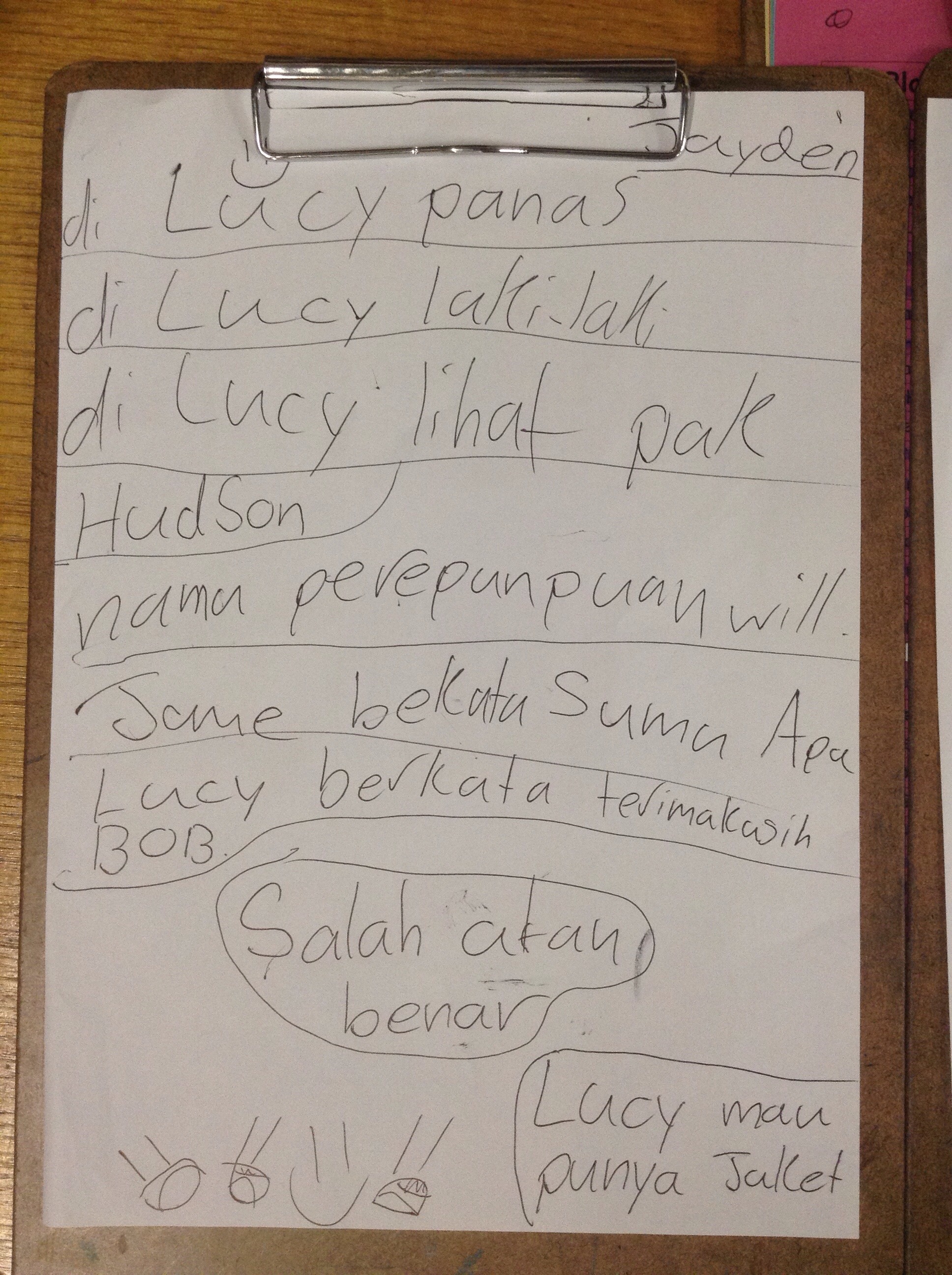
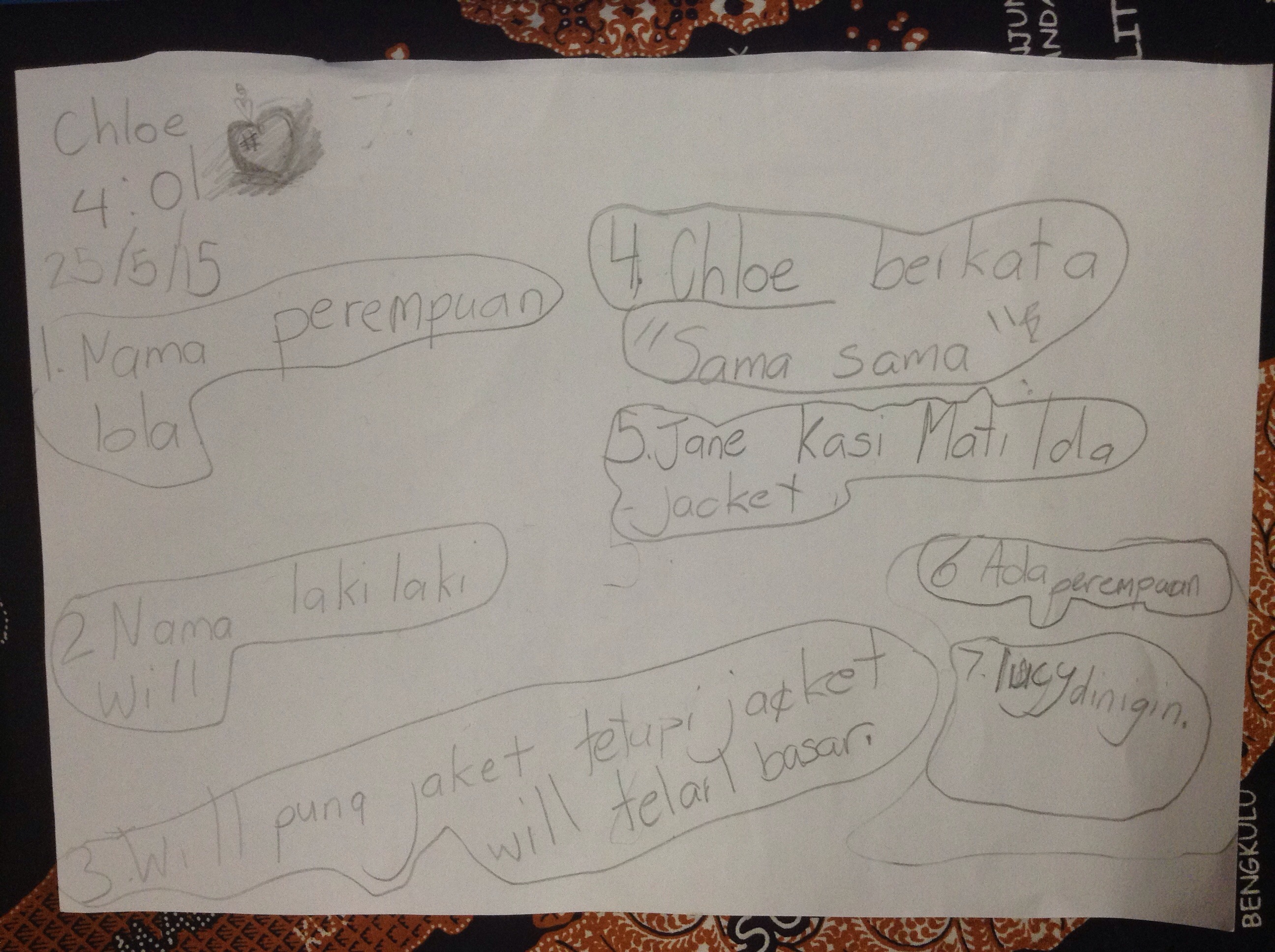
Here are a few quizzes some of the penulis ujian’s wrote this week based on our current story:


    Term 2 Story – Lucy Mau Jaket

    This term we have been working towards the story recommended to us by Catharina. We are about to head into week 5 and not counting week 3 (our cultural break with Ibu Mia), we have been working towards this story for 3 weeks. Here is my version of the story:

    Ada perempuan.
    Nama perempuan Lucy
    Lucy dingin.
    Lucy tidak punya jaket.
    Lucy mau pakai jaket.
    Lucy lihat laki laki kecil.
    Nama laki laki Will.
    Will punya jaket tetapi jaket Will terlalu kecil.
    Lucy lihat Pak Hudson. (Our principal, who has kindly lent us an enormous jacket especially for this story)
    Pak Hudson punya jaket tetapi jaket Pak Hudson terlalu besar.
    Lucy lihat Jane.
    Jane punya jaket dan jaket Jane pas.
    Jane kasih Lucy jaket.
    Lucy pakai jaket.
    Lucy berkata, “terima kasih Jane.”
    Jane berkata, “Sama sama.”

    The names of the 2 central characters are flexible and when I first told the story last week to classes I chose names of students who were prepared to act out the story and for whom the props would fit according to the story! Naturally this didn’t always go to plan, but mostly the students pretended and went along with the story!!

    In the first weeks of term, I introduced the structures terlalu besar, terlalu kecil and pas, trialing the concept of visual PQA which I read about on Ben Slavic’s website. See this post for more information. I continue to refer to and add to the notebook file as I go along. It truly has been an engaging  technique for introducing and/or reviewing structures.

    After I was reasonably confident students had acquired the above structures, I then introduced the cognate, jaket and the verb ‘pakai’. As I also want students to be aware of the vocabulary for other forms of clothing preparation for their freewrite next week, I chose ‘topi’ as in term 4 when we have a compulsory hat wearing policy and ‘sepatu’ because with winter almost here, I need to prepare for the seasonal after recess & lunch JP student requests to remove muddy shoes!

    Thus I introduced the structures:

    pakai topi
    pakai jaket &
    pakai sepatu

    and established gestures that represented each. I have now incorporated a TPR session into all my lessons to both reinforce and review the gestures we have established so far. As Catharina has found with her students, Simon says (Bu Cathy berkata in my case) is one of their favourite games and once students become complacent, Catharina recommends ramping it up by saying one thing and doing the gesture of another. My students ABSOLUTELY love it too!! Go figure!

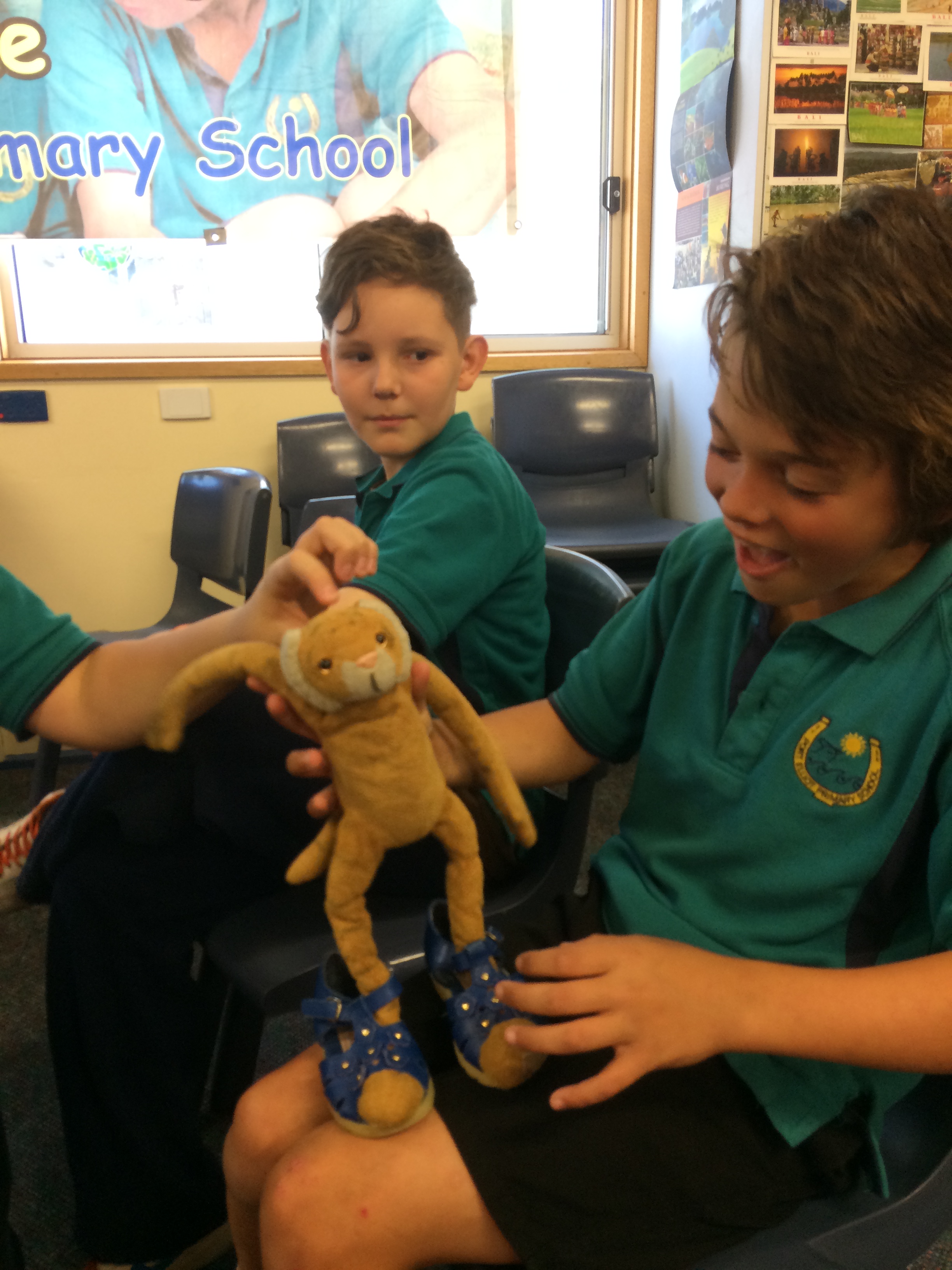
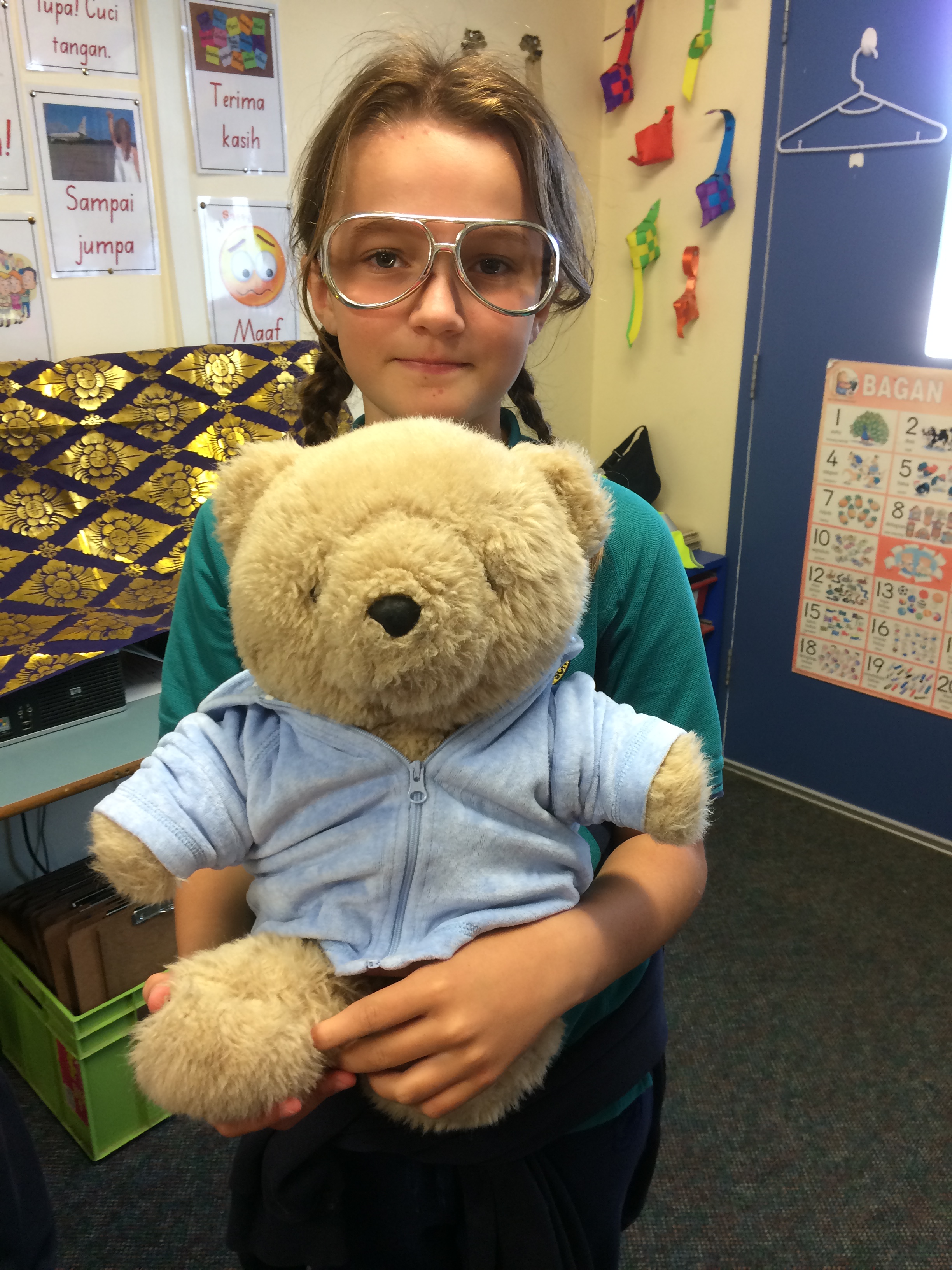
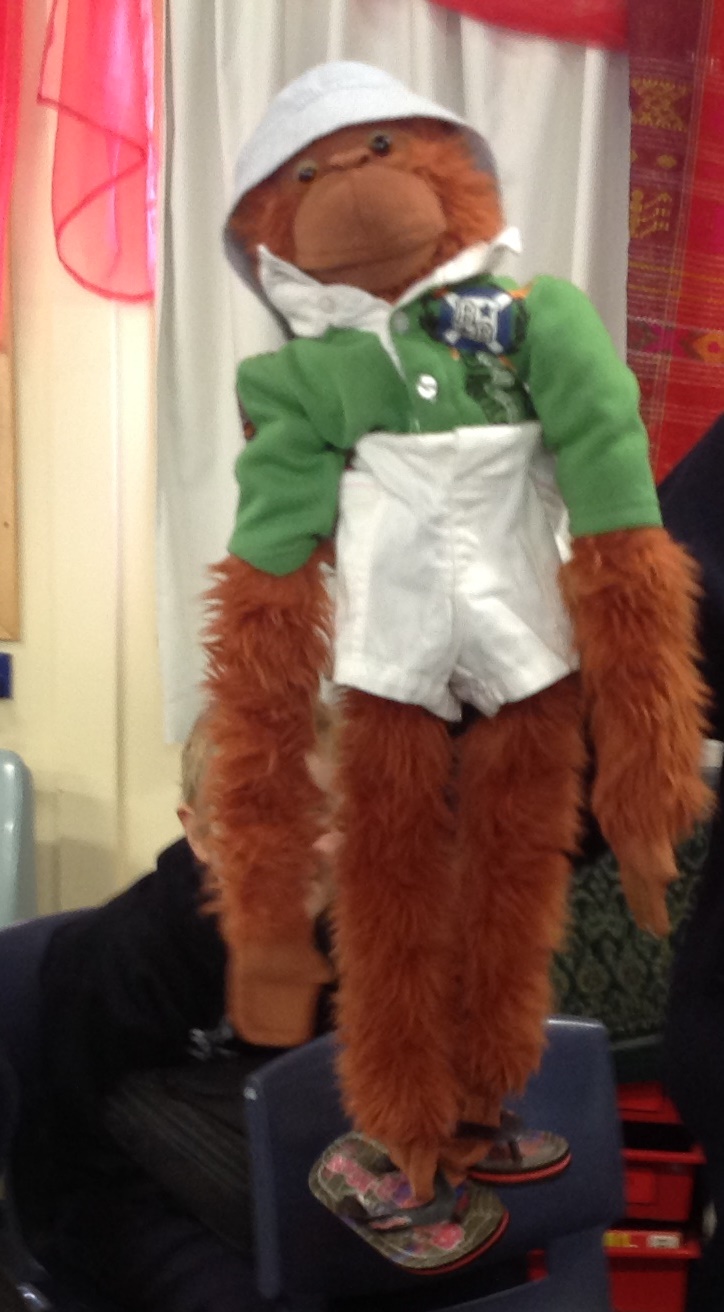
    A fun activity I did was put together a collection of soft teddies, monkeys and orangutans as well as a pile of baby clothes. In small groups, students had to dress a teddy and then come to a consensus about whether the clothing was terlalu besar, terlalu kecil or pas. It was hilarious and students from all year levels had a ball. While there was a lot of English in the overall dressing of the teddies, the discussion about the clothing was 100% in Indonesian which was awesome. I also had a ‘tukang foto’ who took photos of groups once they had all agreed on the clothing size/fit. If we had time, I asked groups to show us their teddies and then tell us all what was terlalu besar, terlalu kecil atau pas. Some groups incorporated the vocabulary of other forms of clothing using the posters I had up on the white board but the main aim was to get repetitions on the target structures. The following lesson, I put up some of the following  photos taken  by the tukang foto on the smartboard to provide an opportunity to combine the reps of all target structures while circling.

    IMG_0973


    IMG_1830

    IMG_1831


    IMG_0993


    IMG_1834


    This week we are going to focus firstly on the story via retells, readings, and then in the second lesson, I might try one of these TCI activities that I have found in my emails from the moretprs listserve. The activities are:

    1. Draw & Guess – Each student to choose one line from the story and then illustrate it on a clear board. When all are finished, students will be invited to come to the front of the class and the rest of the class have to guess which line from the story it illustrates! Source: Niki Tottingham
    2. Flyswatter – choose 4 (or more) illustrations from the above activity. Arrange them on the floor in the middle of a circle. Hand out flyswatters to 4 students. Say one of the sentences from the story and students have to swat the picture that matches the line from the story. Best of 3 wins. Source Todally Comprehensible Latin
    3. Noisy Pictionary –  2 teams  – Everybody is in one of the teams and everybody participates. One artist from each team comes to the board. Show them  a sentence from the story. They then run to the whiteboard and draw the phrase for their team mates who scream out the sentence it is. Point to the team who first match the sentence with the illustration. (While this sounds a great game – I am wondering if it might be easier to manage if each group takes it in turns and they are timed. I also like the  idea of drawing it on the smartboard so that I can save a digital copy of the illustrations!) Source: Bryce Hedstrom.

    Movietalk in the Primary (Elementary) Classroom

    Most CI teachers rave about Movietalk. Movietalk is using a short video/film as an engaging method of sneaking in repetitions of specific target structures. Martina Bex has a very detailed explanation on her website. Catharina mentioned in our last Skype call that her students (junior primary) absolutely love movietalk and constantly ask for another one. It was a technique that I was both been very keen to try and yet was also apprehensive about trying it. While I knew students would enjoy watching and talking about a movie clip, I am aware that my students only have a very small pool (puddle) of acquired structures and also that I am still a real TPRS beginner!! Circling, PQA etc are TPRS techniques I am still developing and the idea of doing them all on the fly about a video was slightly intimidating. So, I read up about it, looked at  video clips recommended by other teachers and put it in the ‘maybe later’ basket. Then on the moretprs listserve, this Mr Bean video was posted as a good Movietalk option. As soon as I saw it, I was struck with how perfectly it supported:

    • terlalu besar – too big
    • terlalu kecil – too small
    • pas – just right.

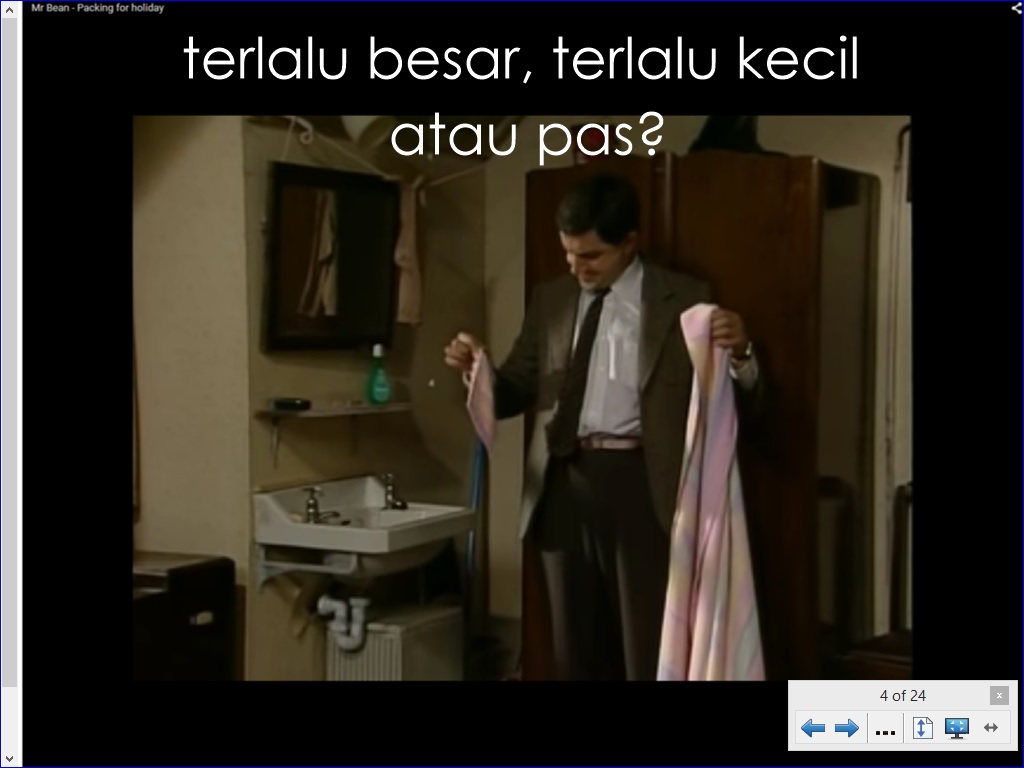
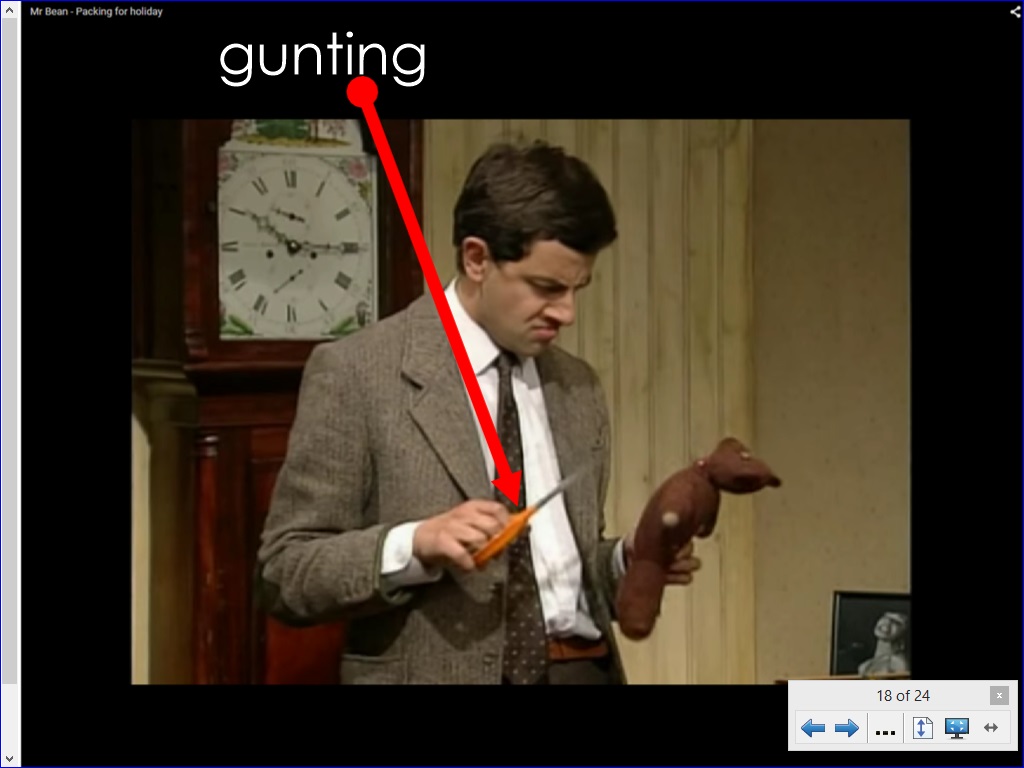
    So on the weekend I watched the video and took some screen shots to make up a smart notebook file. This way unfamiliar vocabulary eg towels, bathers, shirts, toothbrush, toothpaste etc could be labeled and thus be easier for us to talk about them without needing to lapse into English.

    terlalu besar, kecil atau pas

    handuk

    gunting


    I also wrote up on the board some vocabulary that would help the discussion but is not a focus:

    • libur – holiday
    • tas – bag
    • mengepak – to pack

    Finally I felt comfortable enough to dive in the deep end and attempt a Movietalk.

    On Wednesday, the year 3’s were the first class to do a Movietalk with me. Together we went through the notebook file, talked about the screenshots and then watched the movie. Thank goodness it was the year 3’s who were my guinea pigs!! For various reasons, the notebook collection of screenshots was not that successful. Mostly because the quality  of the pictures was poor which together with a fading smart board bulb meant students had difficulty grasping what we were talking about! I realised towards the end of the lesson while we were actually watching the video, how much better and easier it would be to watch the video and just stop it when needed.

    So with the year 5’s, I did just this and it was brilliant. Students really became involved in the discussion and the repetitions of the above structures were brilliant. The story line was much clearer and students got far more involved with the craziness of Pak Bean.

    So if you too, are keen to have a go at Movietalk, read up about it on Martina Bex’s blog, watch a few YouTube clips of teachers demonstrating Movietalk (watch this or this) and then search for the perfect clip to try it with.  If you have trouble finding a clip for specific target structures, I recommend asking the moretprs listserve or joining Ben Slavic’s website. Both provide awesome TPRS support.

    PEPS’ First Ever Bilingual Assembly

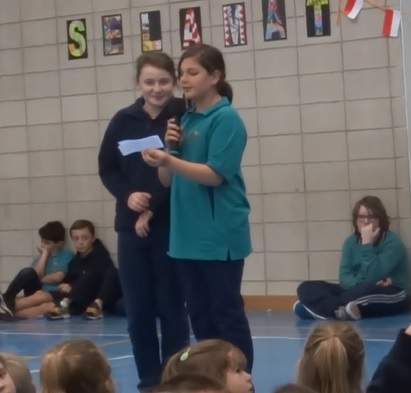
    Last Friday,  year 5/6 Roberts ran the school assembly. It was amazing!

    However before I explain in more detail why it was amazing, I have to explain a few things….

    Their teacher, Margaret, has incorporated Indonesian wherever possible into her classroom routines. Displayed in her room are the classroom phrases students use and know well, including

    • Boleh saya ke w.c.
    • Boleh saya cari minuman
    • Jangan lupa, cuci tangan
    • Jangan lama lama
    • Sudah!
    • Sampai jumpa
    • Terima kasih
    • Apa kabar?
    • Boleh saya pinjam…

    These phrases used to be the cornerstone of my language program before I discovered TPRS. These phrases were thus the limit of my student’s fluency because these were they only phrases that were repeated from lesson to lesson, term to term. (Other vocabulary was limited to ‘themes’ and once the theme was finished, the vocabulary was rarely used or covered again.) Margaret has always supported the Indonesian program where possible in her classroom yet lately she has taken it one huge step further. During her release time, she can often been found joining her students in their Indonesian lesson!! I am so touched and impressed for many reasons that she gives up her non face to face time to join us. I really appreciate her feedback on the many aspects of the lesson and love it when we run through the target structures that she has acquired later in the classroom.

    So I really shouldn’t have been surprised when Margaret announced that she wanted to run a bilingual assembly!! She gave me a copy of the script and together with Ibu Mia, we were able to easily translate the dialogue using the target structures students have covered to date. This exercise in itself demonstrated just how powerful TPRS is when the initial structures are high frequency ones. Using the following target structures, the year 5/6 class were able to conduct PEPS’S first bilingual assembly:

    • berkata – to say
    • nama saya – my name is
    • mau – want
    • berdiri – stand
    • diam – quiet
    • duduk – sit
    • kasih – give
    • lihat – see
    • dengar- listen
    • sudah – already
    • sampai jumpa – goodbye

    The assembly went so smoothly and I was immensely proud of the fact that students could conduct an assembly in two languages and that it was 100% comprehensible for all students in the audience. The very first sentence was “Murid-murid, berdiri dan diam untuk Advance Australia Fair.” Immediately the entire assembly of students stood quietly! Wow!! The class teachers, who had no idea of what had been said, were puzzled when the entire student body stood up.  Not realising why, class teachers immediately insisted that their students sit down! The students were confused! They had just been asked in Indonesian to stand and now they were being told to sit down!! The sight of the entire school getting to their feet en masse was very moving for me. The students who  had spoken the words had used no hand signals, yet the students fully understood it and immediately followed instructions!

    jessica & flick

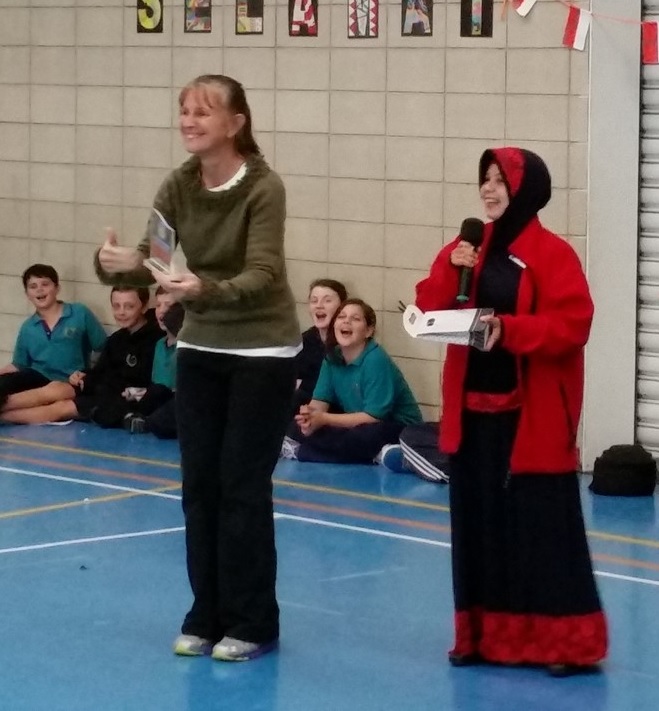
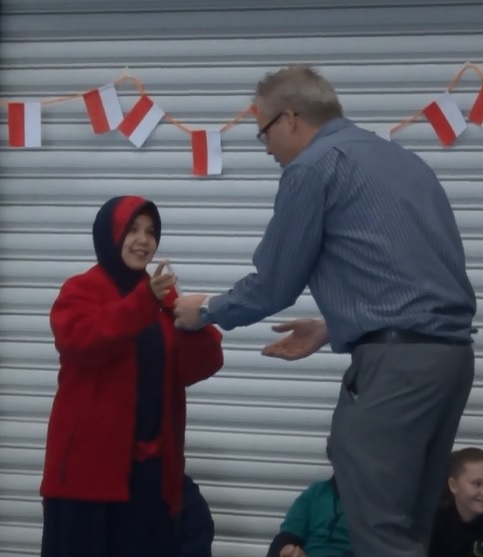
    I also spoke at the assembly to formally welcome Ibu Mia to our school. Once again I was blown away by their comprehension and was so incredibly proud. I spoke in Indonesian and when I asked them all, “Paham?” they answered en masse, “Paham!” Ibu MIa then presented a trophy to our principal that her students had made especially for our school. When I held it up to show the students they all agreed: “Astaga!” It blew Ibu Mia away!

    astaga

    recieving presentation

    What an amazing assembly! To think that our students now know enough Indonesian to conduct an entire assembly is pretty cool! Congratulations to the year 5/6 class. You have certainly set the standard now and I really hope that the next class who runs the assembly is also keen to conduct it bilingually!

    Ibu Mia From Batam, Kepulauan Riau

    This week my students are enjoying a chance to interact with and learn from Ibu Mia, an Indonesian high school English teacher from Batam, Kepulauan Riau. She will be in our area for 3 weeks, spending a week at each of our schools. Her visit has been entirely coordinated by Pak Nyoman from APBIPA and we are so, so fortunate to able to particiapte in this program. Through APBIPA, we have hosted teachers from Sumbawa, Bali, Sumatra, Jakarta, Kalimantan, Bandung and now Batam. What a fantastic way for my students to experience the diversity of Indonesia. 

    We learned many interesting facts about Batam. Some of which are:

    • Even though it is a tiny island, the population is roughly similar to Adelaide; 1 million. 
    • It is only 35 minutes from Singapore by ferry and Ibu Mia has often taken her sons to Singapore for a day trip!
    • There are 1500 students and 90 teachers at her school, SMK 1 Batam.
    • Batam was only founded in the 70’s and then developed in the 80’s as a centre for free trade.
    • Batam has a good selection of high class hotels, one of which is a restored cruise ship!
    • There are 7 domestic harbors and 2 international harbors in Batam.
    • Batam has beautiful beaches.
    • Batam has a huge industrial sector.
    • Ibu Mia lives in Batam Centre.
    • There is a ‘Welcome to Batam” sign which is exactly like the Hollywood sign in California.
    • Batam’s skyline resembles any develped city’s skyline. Multi-story buildings and freeways. 

    This visit has been so enjoyable for me for a variety of reasons. Usually I teach as per usual and my visitor co-teaches i.e., assists with modeling pronunciation, extra facts etc. However this time, the focus of the lessons this week has been Ibu Mia, thus being a cultural brain break for all of us. While lessons largely reverted back to the 90% English/10% Indonesian ratio, it was so interesting and informative that it wasn’t an issue and we still managed to where possible incorporate the target structures for this term and students enjoyed plenty of opportunity to demonstrate their growing ability to speak in Indonesian with many classestotally impressing Ibu Mia! So exciting!! I couldn’t help pointing out to the older classes, that the level of communication we used with Ibu Mia was far above that which we have used with any previous visitor. 

    Our recent acquisition of pakai was very useful and we enjoyed the opportunity for many repetitions with all the classes due to discussions about why students thought Ibu Mia was Indonesian (as opposed to be being Korean, American, Spanish etc). They all said that had they seen her in the street, they would guess she was Indonesian because of the clothes she was wearing which led beautifully back to our circling:

    • Ibu Mia pakai topi? bukan
    • Ibu Mia pakai jaket? bukan
    • Ibu Mia pakai sepatu? ya
    • Ibu Mia pakai apa?

    This then led to a discussion about her clothing. Students learned the word for her Muslim dress (gamis) and her  head scarf (jilbab). I have a selection of jilbabs from Kalimantan, so we dragged them out which led to many questions from students about jilbabs. The questions were hysterical and I wish I could have recorded them all. It was so hard keeping a straight face! Questions included:

    • How do you put on a jilbab?
    • Do you sleep in your jilbab?
    • How do you get your hair cut if you can’t take it off in public? 
    • What is that thing under your jilbab? (ciput)
    • What happens if someone comes to your door that is not family and you are not wearing your jilbab?


      The most amazing thing about all the questions was that they were all respectful! Not one student made a negative comments about any aspect of Islam. I am so proud of my students. Ibu Mia was so relieved. She showed me an article from her local paper for which the headline which roughly means: Ibu Mia is a ittle bit worried about visiting Australia On The Heels of The Bali NIne Executions.
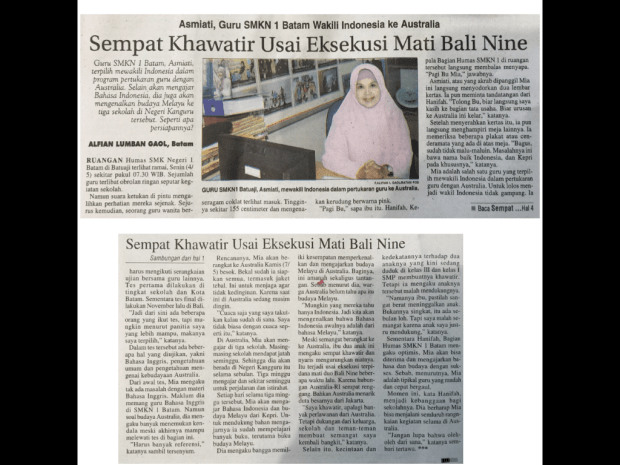
        
      Her friends all warned her that Australians would harrass her because of the executions and that it was a terrible time to visit Australia. Many also suggested she reconsider wearing a jilbab in Australia or at least wear a smaller one. Thankfully she did not listen to their advice!! At our school and in our local community she experienced exactly what I experienced while traveling in Indonesia amidst the telephone spying scandal: most of  the hullaballoo is political and hyped up by the media. The general public are largely cynical consequently and thus when a visiting national from that country is polite and personable (as Ibu Ma definitely is), it dissolves any animosity one may have for their nation and is brilliant for breaking down the stereotypes that events such as these perpetuate. 

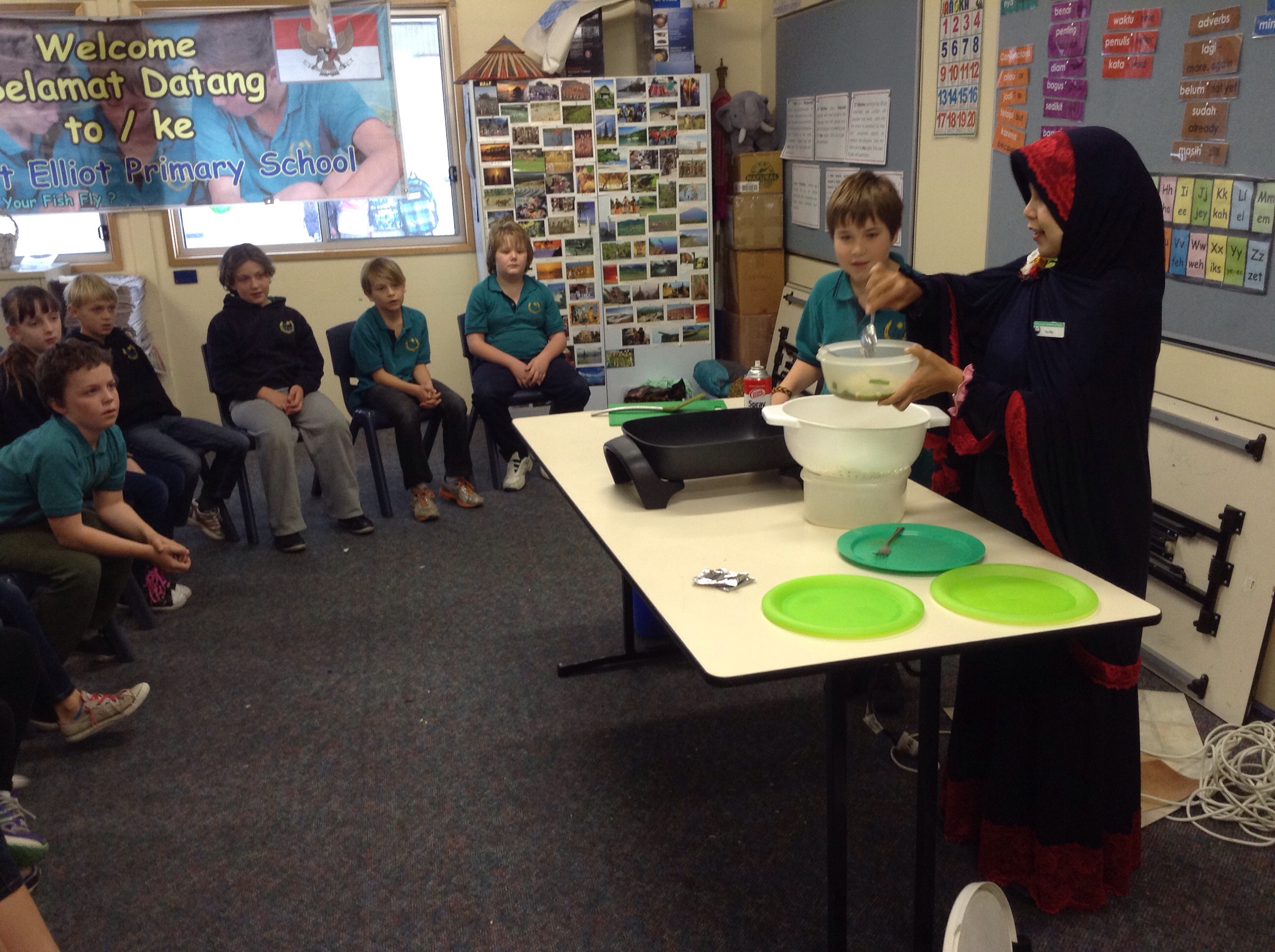
      The classes that have 2 lessons a week, were treated to a cooking demonstration for their second lesson. Ibu Mia, not only loves cooking but she is an awesome cook. We brainstormed one evening after school for recipes that are quick, easy and will surely be popular with students. Ibu Mia suggested her own recipe of Mie Goreng Telur A La Ibu Mia which is a popular snack she makes for her sons when they are hungry. We found all the ingredients at our local grocery shop and she was especially delighted that we could buy the extra spicy chilli sauce made by ABC!! Needless to say the small noodle pancakes were a huge success. Students could choose to have theirs with saus tomat, sambal atau tidak pakai saus. The entire cooking lesson was a double bonus because where possible Ibu Mia used the target structures that students have learned this year. It was awesome that Ibu Mia understood the power of TPRS/TCI so quickly. Her circling required that all students to listen, look & respond! It was so cool. Her language to the students included:

      • Kasih Ibi Mia gunting
      • Siapa mau menjadi assistan Ibu Mia?
      • Apa ini? 
      • Kasih Ibu Mia telur. Apa telur? Ya, telur egg!! Jade, kasih Ibu Mia dua telur. Berapa telur?
      • Berapa murid di kelas ini?
      • Ayo, Menghitung! They would then count with her while she tricked them by going fast sometimes and slow sometimes.
      • Garamnya (apa garam? Ya, garam salt) Garamnya terlalu besar, terlalu  kecil atau pas?
      • Siapa mau makan mie goreng telur pakai saus?

      Terima kasih IIbu Mia. PEPS will miss you!

        Ayo, Menghitung!

          Amazing Indonesian brain break – Hit Like A Girl!

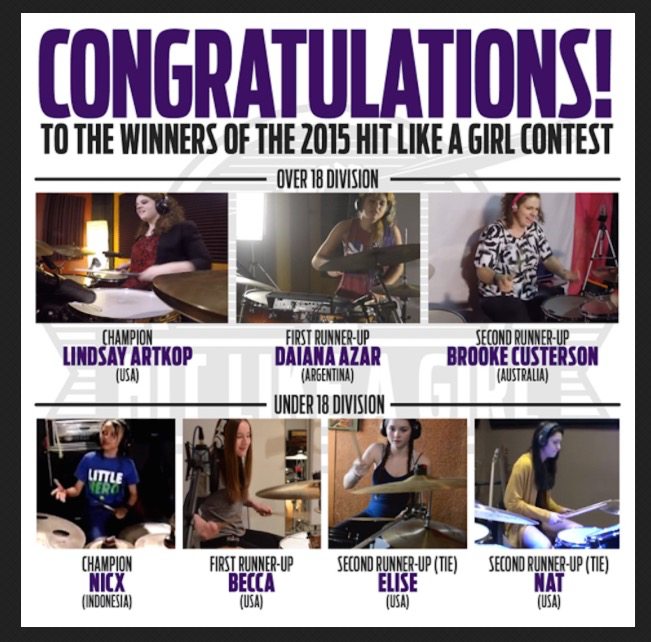
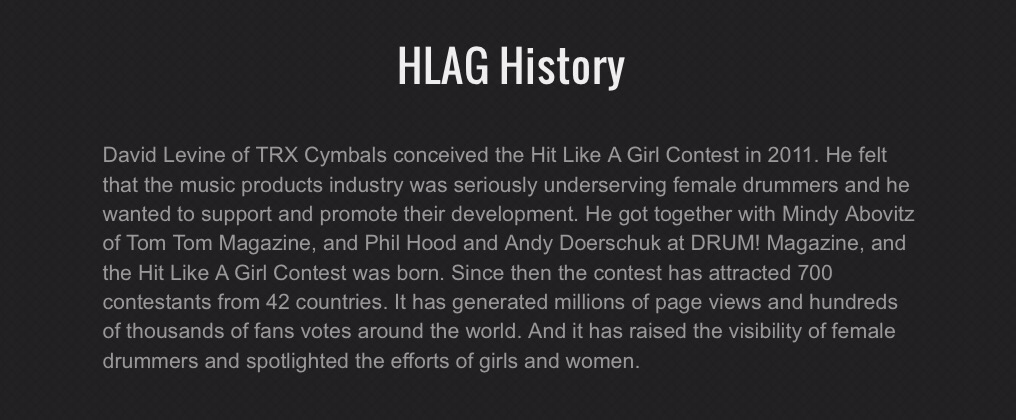
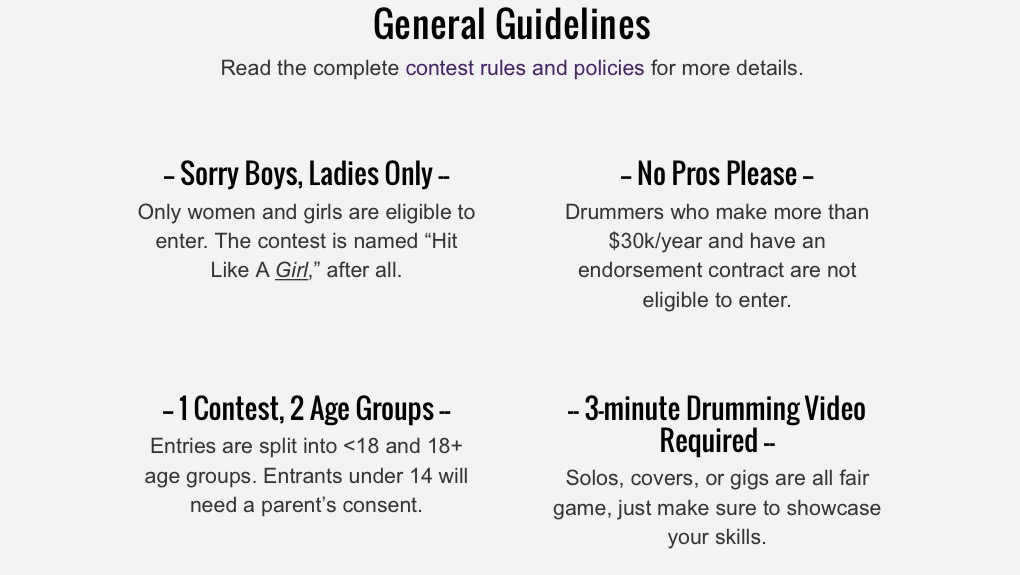
          I know I have already posted today but this is so exciting, I can’t help but share it immediately. I have just had a email from a friend who teaches in Bandung. She is so proud because one of her students has been announced as the under 18 winner of an international competition – Hit Like A Girl.


          I cannot wait to show my upper primary students this amazing clip of Nicx, who by the way is only 10 and won the under 18 category! She has such a future!!

          Here’s some more information about the competition:


          PQA & Direct Instruction in the TCI Classroom

          Last week, 2 important aspects of TCI gelled for me. The first was the true understanding of the Personalised aspect of PQA (Personalised Questions & Answers), and then experiencing how it transforms discussion. Read this and/or this to learn more about PQA. Ben Slavic also has published a book called PQA In A Wink which I am reading at the moment and can highly recommend. 

          Over the holidays, I created a notebook file full of quirky pictures to support the acquisition of 

          ‘terlalu’ besar’ (too big)
          ‘terlalu kecil’ (too small) &
          pas (just right/perfect).

          As the class was looking at the pictures on the smart board during the first day of school, it became clear that once the novelty of the pictures wore off, I lost the students. I puzzled over this during my evening dog walk that evening. I revisited in my mind all that I had done in the lessons, trying to pinpoint where I had stumbled. It suddenly dawned on me that PQA was not asking about the colour of the jacket nor whether the bike was big or small. That was incredibly boring because, honestly, who cares if the bike is red or green! Ho Hum… PQA is asking questions that relate directly to the students.  I was so excited to finally get this that I couldn’t wait for school the next day to give it a go! 

          The following day I had great success and students were thrilled that I was asking them questions about their own personal lives, their likes/dislikes etc. For example, one of my pictures was a pictures of a man in a pink tutu riding a tiny bike with the word ‘sepeda’ typed and an arrow pointing to the bike. I asked questions such as:

          1. Siapa punya sepeda? (while pointing at the word sepeda with my magic laser pointer) then asking the student who had responded:
          2. John punya berapa sepeda? and then asking: 
          3. Sepeda John terlalu besar, terlalu kecil atau pas? I then moved on to asking about the bikes of their siblings which also apparently, is mesmorising! 

          Another picture was of a tiny turtle dwarfed by a strawberry with the turtle labeled kura kura & the strawberry labelled arbei. For this picture I asked:

          1. Siapa suka arbei? ( One year 4 boy answered, saya suka makan arbei dan kura kura! It was pure gold!) 
          2. Siapa tidak suka arbei?
          3. Siapa allergi dengan arbei?
          4. Siapa suka makan arbei dengan es krim?

          I am still amazed at just how much questions such as these are engaging for our students. My only concern was that general questions to the class evoked an incredibly enthusiastic response which was at times deafening. Awesome that everyone is so engaged but so hard to manage and keep students focussed without lapsing into English.

          Then after school Wednesday, I watched a webinar from the TPRS Publishing website which led to my second realisation thanks to Carol Gaab. The beauty of this webinar is that it is specifically for elementary language teachers. I have seen it several times and each time I watch it I learn something incredibly useful. I was delighted this time when Carol outlined several techniques she uses to minimise students calling out during PQA. She recommends asking students to do a given action if they agreed/disagree with a statement, eg berdiri kalau suka arbei, angkat tangan kalau tidak punya anjing. Once again, I couldn’t wait to try this idea and again, it worked so well and made such a difference. 

          So this week (week 2) I combined asking personal questions together with asking the students to reply to questions by standing/ sitting/ raising their hand etc and it was brilliant. One of my year 6/7 classes today arrived to class in an unusually unfocused fashion. They fussed around getting jobs allocated and with the delay became even further unsettled. Yet as soon as I started PQAing the pictures on the smartboard, they were suddenly quiet and hanging off every word. At one point I asked whoever had 3 dogs to stand up, I then asked each of the students standing what their dogs names were. This produced some  hilarious names which had the students in stitches. However when I tried to move on to another question, the students quickly reminded me that I had yet to ask Winter about her dogs, who was not fussed at all that she didn’t get to share!!! We also had a giggle when Connor told me that he had 13 dogs but he couldn’t keep a straight face and then quickly confessed that he actually only had one! 

          A truly terrific week due to finally experiencing the power of the ‘P’ in PQA and learning techniques which help to keep us all in Indonesian!! My next personal goal is to learn how to incorporate awesome student contributions into our class stories! Imagine the story we could have created involving a turtle  hamburger!


          Written by the Penulis Twitter


          Global Workshop via Skype

          Last Friday, Sharon, Annie & I were again fortunate to have the opportunity to workshop with the marvellous Catharina, an experienced junior primary TCI  practitioner. Due to South Australia leaving summer time and the USA beginning summertime, we met at 9am Friday morning (Aust) and 7:30pm Thursday evening (USA). Catharina’s school year is coming to an end, just4 weeks left of the school year, so we doubly appreciated the time Catharina gave us! Such an exhausting time. Last Friday, we were also joined by Rosslyn from INTAN. Rosslyn is the 2015 (and inaugural) INTAN hub group liaison officer and joined us to see what our hub group gets up to!! 

            
          As always our skype workshop with Catharina left us buzzing. We began by bringing Catharina up to date with recent lesson plans and being the end of week 1, we filled her in with what we had each done in preparation for our new story:

          Ada perempuan.
          Nama perempuan Lucy.
          Lucy dingin.
          Lucy mau pakai jaket.
          Jaket Pak Hudson terlalu besar.
          Jaket bayi terlalu kecil.
          Jaket Bu Cathy pas.
          Lucy berkata, “Terima kasih Bu Cathy.”
          Bu Cathy berkata, “Sama sama.”


          In  my case, I had focussed on the target structures of perempuan & laki laki with my junior primary classes. I once gain used the laminated PQA cards recommended by Catharina during our very first skype workshop. These A4 laminated cards include 2014 school staff photos as well as a few well known identifites like Batman, Spongebob & Harry Potter. I revisited ‘Siapa nama’ as well as asking, “Batman laki laki atau perempuan?” At the end of the lesson, I did a quick listen and draw using the brilliant clear folders. I also incorporated some TPR into the lesson because one of my term goals is to increase student acquisition of classroom instructional vocabulary (sit down, stand up, turn off the lights, sit in a chair etc). We began with duduk, berdiri dan putar and the instructions included sentences such as, “Laki laki duduk’ & “Perempuan berdiri dan putar.” If time, we played a quick game of Simon says (Bu Cathy Berkata) which they all adore and constantly beg for!


          Once we had all finished talking about our week, we began asking Catharina specific questions about using TPRS with junior primary students. Our lessons are much longer than Catharina’s and our class sizes are also double, yet the basic principles remain the same. Catharina stresses that variety is the key when teaching junior primary students. Here are some of the great ideas Catharina shared with us:

          1. Duplo – Have a big pile in the middle of the student circle. Retell the story the class has been working on, sentence by sentence. If the sentence given by the teacher is correct, students may take one piece of duplo from the centre pile. As they collect and listen, they can start building something using their peices of duplo. If the sentence given by the teacher is incorrect and the student took a piece of duplo from the pile, they not only have to return the piece they just took but also get a penalty and have to surrender one of their other pieces too! 
          2. When retelling a story, have the whole class join in with the acting. All students are allotted one of the characters in the story and they each act their part during the retelling. 
          3. TPR – When playing Simon says, give students lives so that they remain involved and continue to respond to the directions rather than sitting out. Don’t forget to trick students by purposely doing the wrong action! 
          4. Throwing & catching a soft ball when asking specific students questions. Allows teacher to differentiate. 
          5. Take photos of students acting to be used later for revision, discussion and retelling!  
          6. Look at the Youtube video Valentines Day – perfect for movie talk. 
          7. Great brain break is to act out the alphabet! Students using their whole body stand up and make each letter of the alphabet while saying each letter. This would be great for familiarising students with the different sounds made by the Indonesian alphabet. 
          8. Catharina presents to each student at the end of each school year, a 1/4 sized A4 book which she has put together herself containing all the stories they have covered through the year! The stories are illustrated with student drawings that she has collected throughpout the year. What a great way to encourage students to read and continue having contact with the language over the holidays. 

          While our skype workshop was only for 50 minutes, we got so much from it. We then moved to a spare classroom to talk to Rosslyn. We gave her some basic information about TPRS/TCI as well as outlining our other collaborative projects. We look forward now to reading her article which will be published in the next INTAN newsletter! My hope is that we can tweak teachers interest in TCI! 

          If you too are interested in learning more about TCI, see this previous post.